
 E-Paper



Govt warns of possible drought over western India, food prices may rise
With this year's monsoon rains getting off to their weakest start in five years, sowing of summer crops has slowed in key farming states such as Maharashtra, leaving the government fretting over possible supply pressures.


With this year’s monsoon getting off to its weakest start in five years, the government warned on Tuesday of a possible drought-like situation in parts of western India where sowing of summer crops has slowed and distress among farmers is rising.

So far, the impact of an erratic monsoon has been the worst on Maharashtra, Madhya Pradesh, Gujarat and Rajasthan which are among the country’s biggest producers of sugar cane, cotton, pulses, soybean, vegetables and fruits, leaving the government fretting over possible supply pressures that can drive up food prices.
In particular, authorities in Maharashtra have pressed the alarm button after deficient rains raised fears of a massive drinking water shortage. The state government has ordered that reserves in dams be used only for drinking, leaving the state’s farmers and large industries wary of the effects on their output.
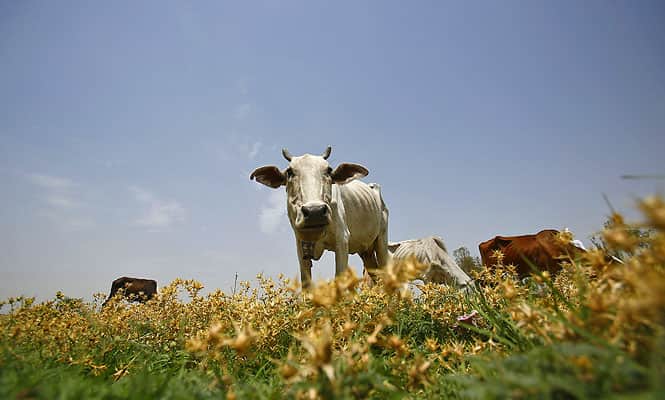
“Monsoon is delayed. Western India is expected to be worst affected and drought-like situation might prevail in some pockets," Farm minister Radha Mohan Singh told reporters, referring to a region with a history of suicides among farmers over failed crops.
"Vidharbha region is drought-prone. We will think of all possible measures to help farmers so that they are not forced to commit suicides due to crop failure.”
He said the government was working out a separate contingency plan for drought-prone regions, such as Vidharbha in Maharashtra, to ensure there is no shortage of drinking water and fodder.
Good rains will be crucial for the new government’s efforts to prop up the economy from its slowest growth since the 1980s as well as to cool inflation that rose to a 5-month high for May.
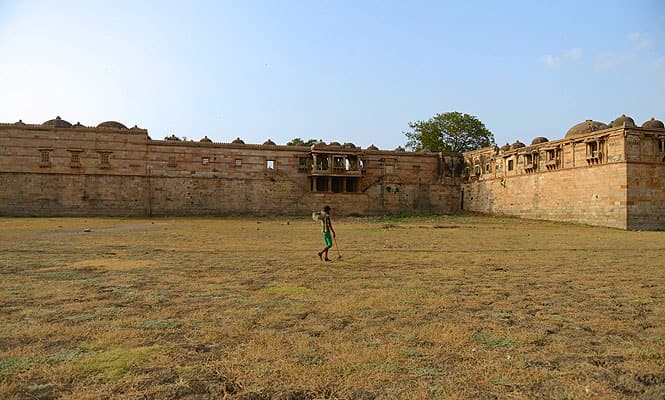
The government has stockpiled staples such as rice and wheat from bumper harvests in the last few years but it has limited means to control a jump in costs of fruits, vegetables and dairy products that have a large impact on food inflation in India.
Already, monsoon rains over the grain bowl belt of northwest India are late by some 10 days. And even though most farms in Punjab and Haryana are irrigated, a shortfall in rains could lead to lower supply of electricity that is needed to run the water pumps.
Read: Scanty rainfall worries farmers in Mandi district
States such as Karnataka, Kerala, Tamil Nadu, Andhra Pradesh, Telangana, Maharashtra, Gujarat, Odisha, Chhattisgargh and Madhya Pradesh get more than 60 per cent of their power from hydel projects.
In Bihar, a substantial rice producer, deficient rains have begun damaging the paddy crop.
"With virtually no pre-monsoon rain in Bihar this year, during which paddy seeds are sown, whatever little seeds were introduced to the soil have withered owing to lack of rain and high temperatures", said Dilip Singh, a farmer from Kuddi village in the state’s Kaimur district.

But weather experts forecast that rains will pick up in north India later this week, and that it was not yet time to despair over a possible drop in farm output.
July is a crucial month for sowing summer crops, and the timing, distribution and volume of monsoon rains are important for the planting of crops such as rice, oilseed, sugar cane and cotton.
Already, the Centre has firmed up a contingency plan for more than 500 districts. It says rains were expected to improve after July 7.
Read: Centre bucks up to combat poor monsoon, plans relief measures
This year, monsoon rains arrived five days late on the southern coast, and covered half of the country four days behind schedule on June 19, but since then it has failed to spread, delaying planting of summer crops.
With global oil prices on the rise on fears of a supply squeeze from violence-torn Iraq, a bad monsoon will only complicate the government’s efforts to keep inflation down. And that in turn will tie down the hands of the central bank to cut interest rates, hampering growth.
This year the annual downpour also looks threatened by the El Nino phenomenon, a warming of waters in the Pacific that has in the past -- but not always -- led to a weaker monsoon in India.
(With inputs from bureaus)


