
 E-Paper



ISI may be behind the alarming emergence of Islamic State in Af-Pak region
As echoes of the Islamic State resonate with rising frequency in the sub-continent, the Indian security establishment faces a conundrum over the identity of the force driving this newest terror group on the map.

 Prefer HTon Google


As echoes of the Islamic State resonate with rising frequency in the sub-continent, the Indian security establishment faces a conundrum over the identity of the force driving this newest terror group on the map.
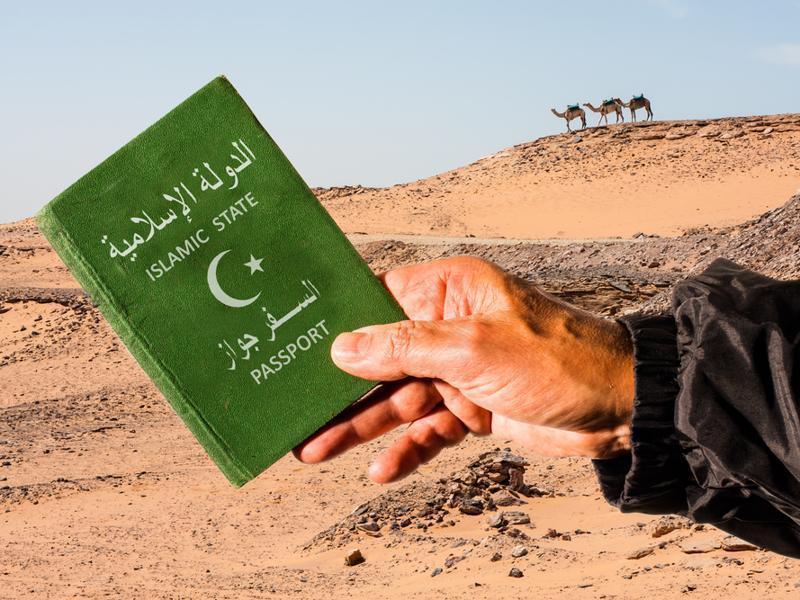
One section is veering around to the view that Pakistan’s Inter-Services Intelligence (ISI) is behind the so-called terrorist group in the Af-Pak region. Abu Bakr Baghdadi’s outfit — fighting a multi-front war in West Asia — remains largely concentrated on the West, this section concludes.
Another section has it that the IS footprint is growing in the subcontinent on its own, without any help.
The idea that local groups are operating as IS under the tutelage of ISI — comes amid growing concerns on the growing influence of Baghdadi’s outfit in neighbouring Pakistan and Bangladesh.
Another conclusion gaining ground within this section of the security establishment that sniffs ISI in the IS threat is that the Pakistani spy agency is behind radicals emerging from the Uttar Pradesh town of Azamgarh.
These young Muslims were earlier the backbone of the Indian Mujahideen group.
After the 2008 Batla House encounter these radicals moved to Pakistan, specifically the tribal areas, to form the Anwar-ul-Tawhid group and switched their allegiance to the IS.
The real threat to India remain the Jaish-e-Mohammed (JeM) and Lashkar-e-Taiba (LeT) jihadi groups based in Pakistan, this section maintains.
Among the persons responsible for national security, there is, however, another viewpoint: the IS influence is growing directly in the subcontinent.
The influence of the IS on local radicals could be gauged, they say, from the recent identification of 25-year-old Guntur native Talmiz-ur-Rehman as the sole English-speaking Indian in a rabid patchwork propaganda video released online by the IS on May 21.
The Indian passport-holder was studying engineering in a Texas institute before joining the IS in Syria through Hyderabad. His family, including his UAE-based father, told police about Rehman joining the jihadi outfit in 2015. Top government sources told Hindustan Times that they had been informed about the IS shooting a propaganda video around water bodies in Iraq and Syria last July-August. Azamgarh-born Mohammed Badda Sajjid and Abu Rashid, and Kalyan residents Fahad Sheikh and Aman Tandel were the other Indians who featured in the 22-minute film.
The ‘independent franchise effect’ of the IS is another area this section points to.
The situation in Bangladesh is of particular concern as many citizens of the neighbouring country, including multinational executives, have been apparently radicalised by IS online propaganda since 2014.
After a ban on Hizb-ul-Tehrir (HUT), Jamaat-ul-Mujahideen Bangladesh (JMB), Ansar-ul-Bangla Team (ABT) and Shaheed Hamza Brigade by the Sheikh Hasina government, these radicals are gravitating towards the IS for patronage.
This has serious security ramifications for India as the October 2014 blasts in Burdwan in West Bengal revealed the penetration of the JMB cadre in the Northeast, particularly Assam.
The “Revival of Jihad in Bengal” has featured in the IS propaganda magazine Dabiq this year. India has expressed concern over rise of the IS to Dhaka but the Hasina government, like a section of the Indian security establishment, believes it is local radical groups that are causing mayhem and violence in the garb of the IS.
Related
Pakistan: 3 al Qaeda militants killed in Karachi encounter
$100 for shaving, $25 for tight cloaks: IS strategy to boost revenue


