
 E-Paper



Micro and small industries in MP feel pangs of currency ban
The micro and small industries in Madhya Pradesh have been hit hard by the Centre’s decision to withdraw 1,000 and 500-rupee banknotes.

 Prefer HTon Google


The micro and small industries in Madhya Pradesh have been hit hard by the Centre’s decision to withdraw 1,000 and 500-rupee banknotes.
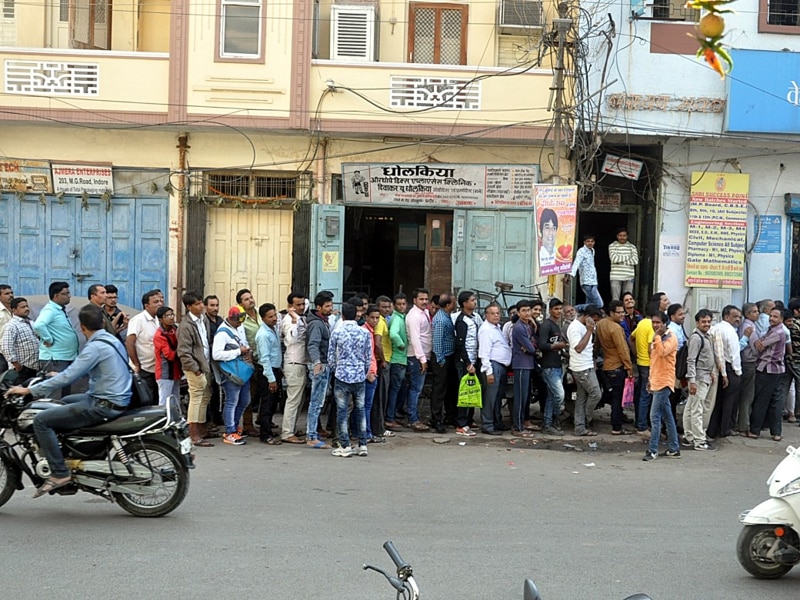
Experts, however, say the impact is short-term and things will be back on track in about a month when the cash withdrawal limit is relaxed and ATMs become fully functional.
The impact has been more severe on the sectors that are heavily dependent on freight movement, including soybean processing industry. Many soya units have closed as farmers were not bringing produce to the mandis as they could not pay for transport and were not sure of the mode of payment.
Small industries in the iron and steel, and garment sector have also been affected. “The problem is in paying wages to workers paying for freight, besides maintenance of machinery for which cash is needed to buy spares, is another problem,” Yogesh Mehta, secretary of Madhya Pradesh Associations of Industries, told HT.
With soybean processing season in full swing, payments have to be made for freight and also for transporting finished goods to the markets. “Things will become normal in about a month’s time once the cash withdrawal limit is relaxed,” he said.
Workers in most of the micro and small-scale industry are paid every week. With the daily and weekly withdrawal limits, employers have limited amount of the new banknotes to workers, an industrialist said.
“We have no problem in paying cheques to the transporters, but not all of them are willing to accept cheques as that would mean spending a long time in the banks to withdraw money. The problem is the same when it comes to making payment for raw material,” he said.
Dewas Association of Industries chief Ashok Khandelia said the government’s intentions were laudable but there will be short-term pain for the industry.
“There are many units that depend heavily on cash payments such as the soya processing industry, iron and steel units and ready-made garments industry. However, these will be sorted out in about a month’s time,” he said.
Traders can pay via cheque
Traders in Madhya Pradesh can now pay for agricultural produce through cheque, and the mandi (wholesale market) secretary will be responsible for encashment, said an official.
Cash crunch for
Payment to labourers
Payment for freight
Payment for raw material
Payment for maintenance of machinery


