
 E-Paper



1970’s disastrous tale of exploding whale serves as lesson for today’s pandemic. Here’s how
“In November 1970, officials in Oregon, USA decided to blow up a rotting whale carcass. The whole thing went horribly wrong,” Doncaster Council tweeted.


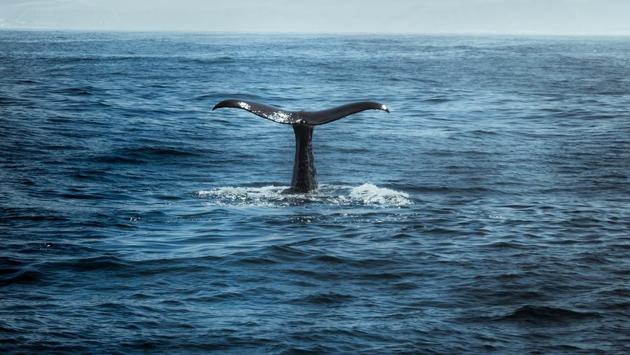
Council of Doncaster, a town in Yorkshire, England recently shared a Twitter thread to highlight three essential points about dealing with the ongoing coronavirus outbreak. What’s interesting is that they quoted an incident from almost 50 years back to drive home the message. It’s a story of how the Oregon Department of Transportation decided to deal with a dead whale carcass that had washed up on a Florence beach in 1970.
“In November 1970, officials in Oregon, USA decided to blow up a rotting whale carcass. The whole thing went horribly wrong,” Doncaster Council tweeted. “Why do we bring this up? Well, this story can teach us 3 things about coronavirus,” they added.
The thread then recounts the story and reveals how the department had three options to get rid of the carcass. They could let it decompose naturally, chop up and burry it, or blow it up using dynamite. They opted for the third option. So, to obliterate one of the world’s largest mammals, the engineer in charge used half tonne of dynamite, despite warnings from an expert that it would be too much.
What followed due to the “short-sightedness of the plan” was a horror show. The blast sent massive chunks of rotting whale carcass flying off through the air and they rained down on terrified onlookers who had gathered to witness the spectacle. The situation also turned dangerous as “a car was even crushed by a huge lump of blubber a quarter of a mile away.”
In short, the decision to blow up the whale carcass created “thousands of bits of problem spread for miles around” instead of solving one.
“So why do we tell you this story?” the Doncaster council asked in one of the tweets on the thread. Then added there are actually three coronavirus lessons which one can conclude from the story. They are:
People couldn’t stop appreciating the council’s post to spread such essential messages through a historic story.
“Brilliant. Absolutely brilliant,” wrote a Twitter user. “Whoever thought of this is a genius. Also, when this is over I want to take you out for a drink!” expressed another. “I have no idea why this came across my timeline but gotta shout out the outstanding Doncaster based social media game,” praised a third.
Someone also unearthed a video of the coverage of the incident and shared it on the thread:
Read the entire thread here:
This year marks the 50th anniversary of the incident, yet it’s still relevant in the present scenario. It indeed teaches that ignoring opinions of experts can often lead to a disastrous end.
Before the tale of whale, the council issued another stay-at-home message on Twitter with reference to the Russian military hero Stanislav Petrov, reports the BCC.
What do you think of the Twitter thread?


