
 E-Paper



From civets to snow leopards: Check out Vivek Menon’s field guide to Indian Mammals

 Prefer HTon Google


Indian Mammals traces all of India’s 440 known species of mammals, up from 422 that were listed in the first edition published over two decades ago.
The fourth edition of Indian Mammals: A Field Guide (2023) marks 20 years since the first, and represents a quantum leap.
Where the first listed about 422 species, the latest edition lists all 440 known species of mammals found on the Indian subcontinent, from antelope and deer to our five species of big cat, three species of massive wild cattle (these include the gaur, Asian wild buffalo and the wild yak), wild goats, sheep, primates, bats and rodents.
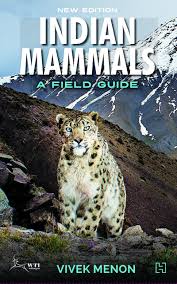
“Camera traps have changed the game and helped us understand species much better. This is particularly true of the small, nocturnal animals such as otters, small cats, civets and badgers,” says its author Vivek Menon, 55, a conservationist and co-founder of the NGO Wildlife Trust of India.
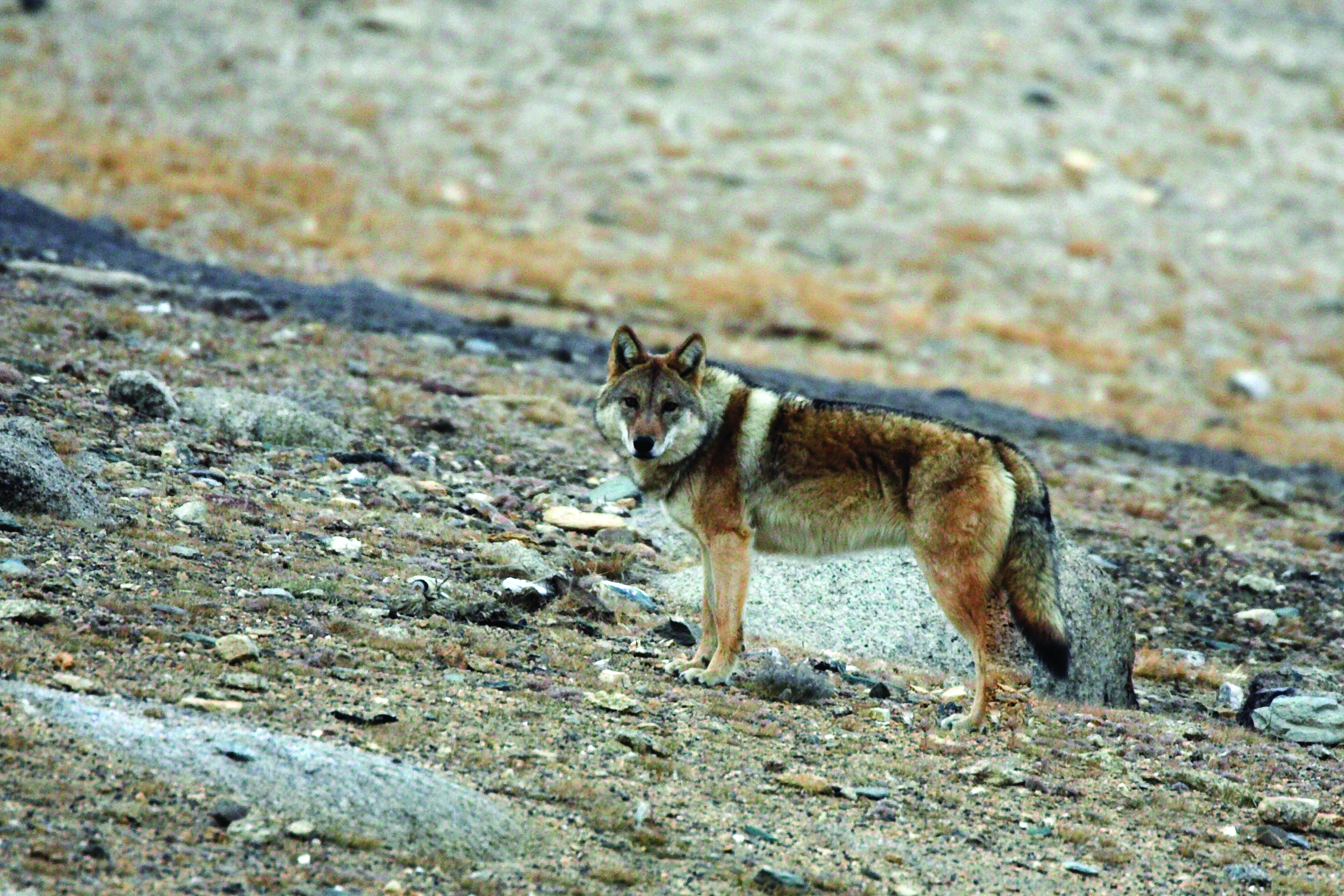
Updated data on matters ranging from classification to size, behaviour and characteristics is now represented in the book. Also represented are changes in prevalence, which can be gauged through impactful maps showing current and historic distribution for each species.

More than 1,000 photographs, sourced from across the country, are sprinkled across the volume’s 544 pages.

One thing he struggled with, Menon says, was which species to consider extinct, and which to hang on to. The page on the Malabar civet, for instance, details its near-mythical status and the fact that it was last sighted, in Kerala, about half a century ago. “It is presumed extinct, but not listed as extinct, and so it still finds mention in the book.”
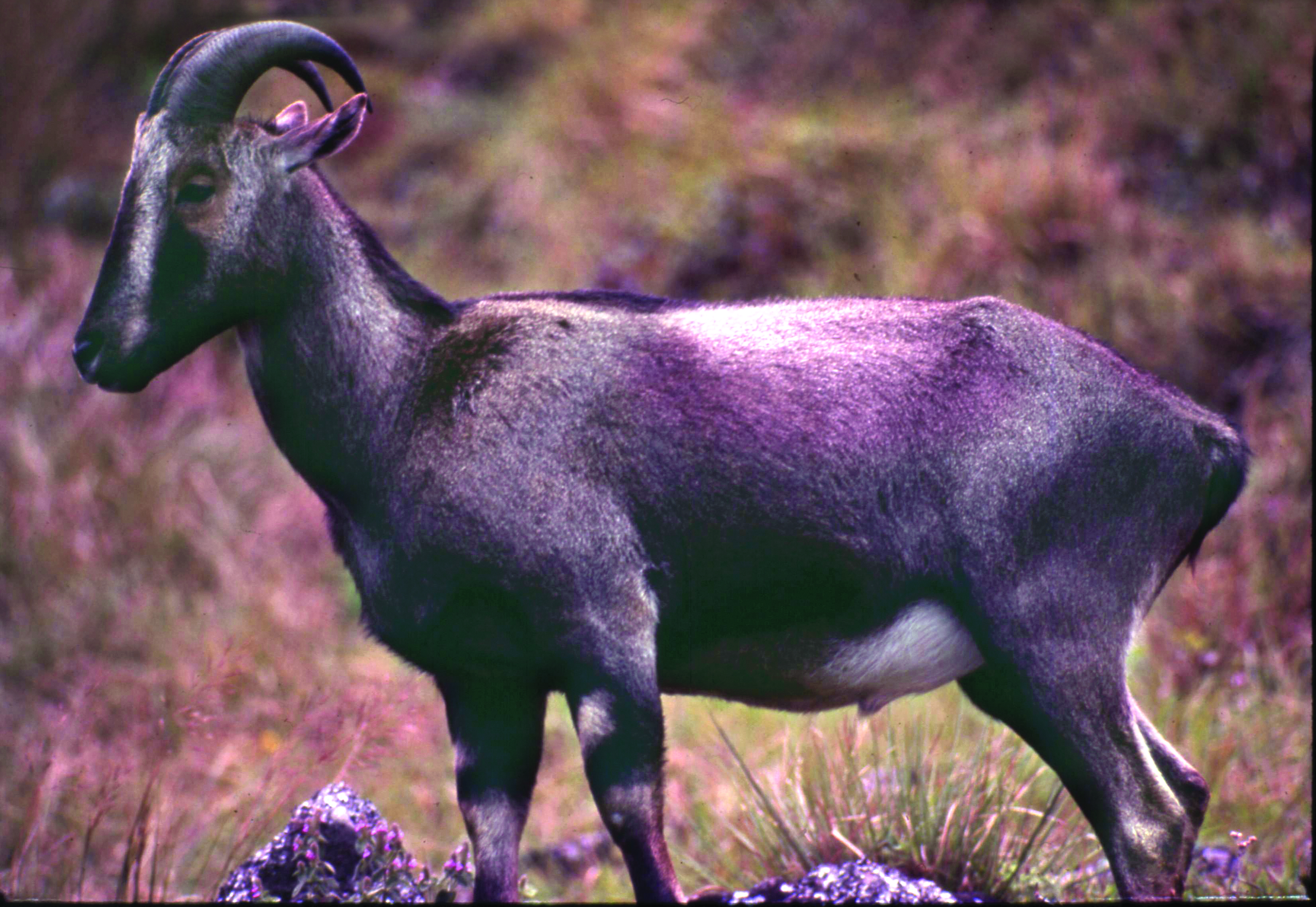
It wasn’t easy packing it all into the standard field-guide dimensions, Menon says, laughing, “but we were determined to keep it to a form that was still carryable. What would be the point of it otherwise?”


