Sign in

Masks, spells and amulets: More from the show on magic

Updated on: Oct 17, 2026, 15:37:50 IST
Share
Share via
  • facebook
  • twitter
  • linkedin
Copy link
  • copy link
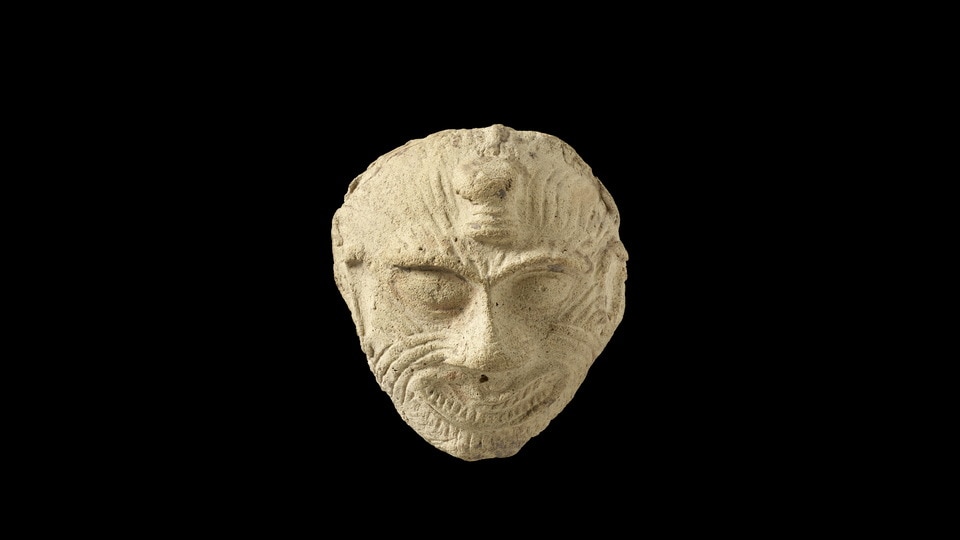
Mask of Humbaba; c. 2000 BCE: In Mesopotamian mythology and the legendary Sumerian poem Epic of Gilgamesh, Humbaba was the giant appointed to guard a sacred forest. He was an antagonist, slain by the hero Gilgamesh. But his face carried profound ritual significance. Masks like this one were widely used as protective charms, worn on the body or displayed in homes to ward off evil spirits. (Toledo Museum of Art)

From wands and dolls to figurines, an exhibition of ancient artefacts explores how the belief and practice of magic have evolved over time.

“The idea of magic is likely as old as mankind itself,” says Jeffrey Spier, curator of Cursed! The Power of Magic in the Ancient World currently on display at the Institute for the Study of the Ancient World, New York, until December 13. Over five years, he has tracked down artefacts that represent that idea, from as far back Ancient Egypt, 4,500 years ago.

Among the 75 on display are sculptures in stone and bronze, amulets in gold and silver, an Egyptian clay bowl inscribed with a letter to the dead, and a “curse figure” made of clay and commissioned by a pharaoh, to put a hex on a foreign king. Take a look.

.
Statuette of Heka; c. 2400 BCE: In Ancient Egypt, it was believed that Heka gave gods and humans the power to make things happen. Cursing enemies, curing the sick, creating life were all viewed as manifestations of this force. What’s interesting about this statue is that it offers early evidence of the codification of magic. This deity is mentioned in religious and funerary writings, and in medical texts. (Toledo Museum of Art)

.

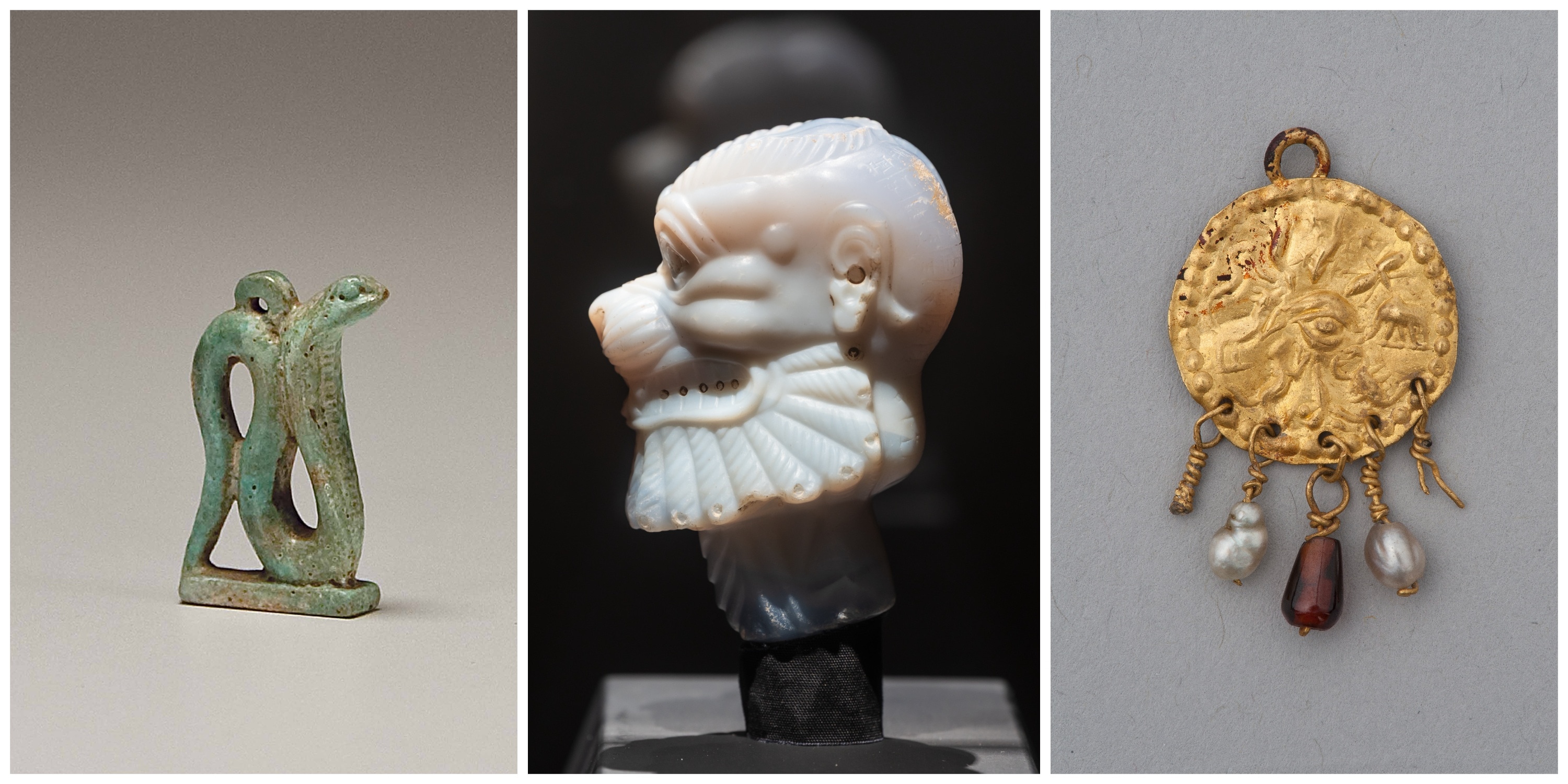
(From left) A cobra amulet, c. 747-332 BCE: The rearing cobra was one of the most vital symbols of divine sovereignty, royal authority, and protection in Ancient Egypt. Amulet with the demon Pazuzu; c. 681–627 BCE: An ancient Mesopotamian artefact, it was used to protect pregnant women and newborn infants. Wind god Pazuzu’s terrifying image was believed to ward off Lamashtu, a malevolent female demon who targeted mothers and babies. Pendant amulet against the evil eye, c. 2nd century CE: Made of gold, pearls, and amethyst, it followed a form adopted widely in Ancient Rome to ward off the evil eye and misfortune. (Toledo Museum of Art)

.

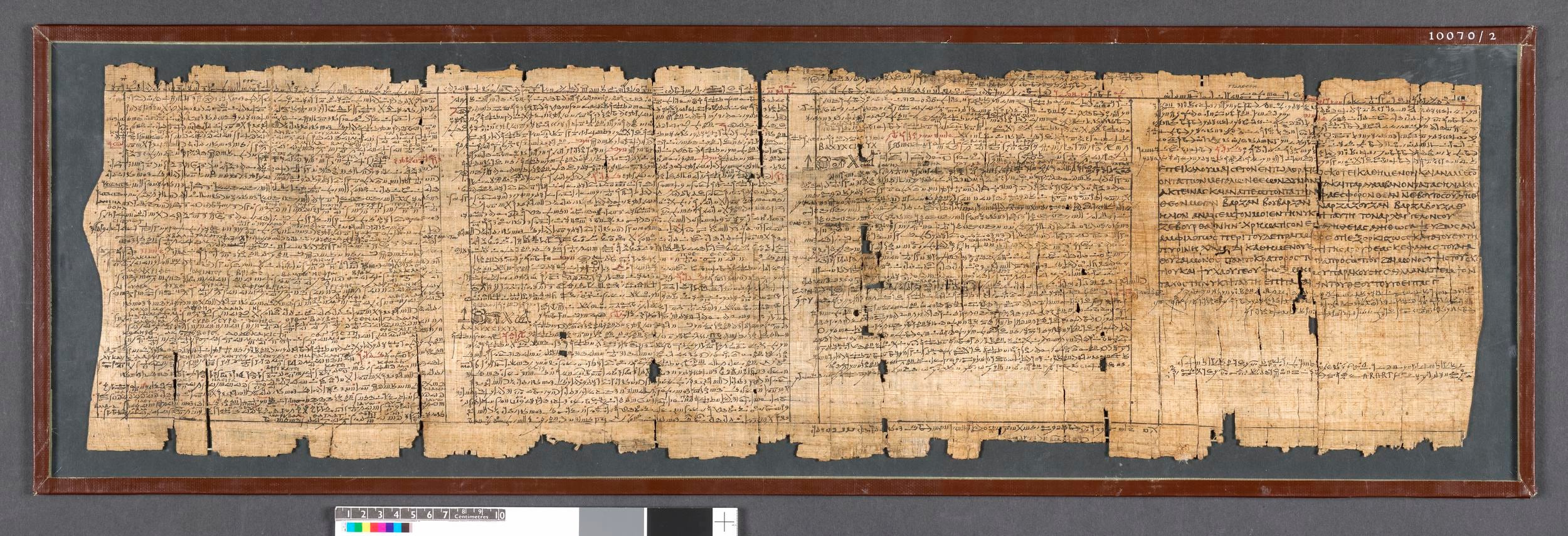
The Demotic Magical Papyrus of London and Leiden, Egypt, c. 3rd century CE: Alexander the Great had swept through and conquered Egypt after which Egypt became a deeply syncretic, bilingual society. Priests and sorcerers blended traditional Egyptian deities (like Osiris, Anubis, and Horus) with Greek magical names. Not long after, an Egyptian priest created a handbook of spells, and wrote them, as was now the norm, in Egyptian Demotic and in Greek. It contains spells for a range of purposes, from medical cures to divine revelation. (British Museum)

.

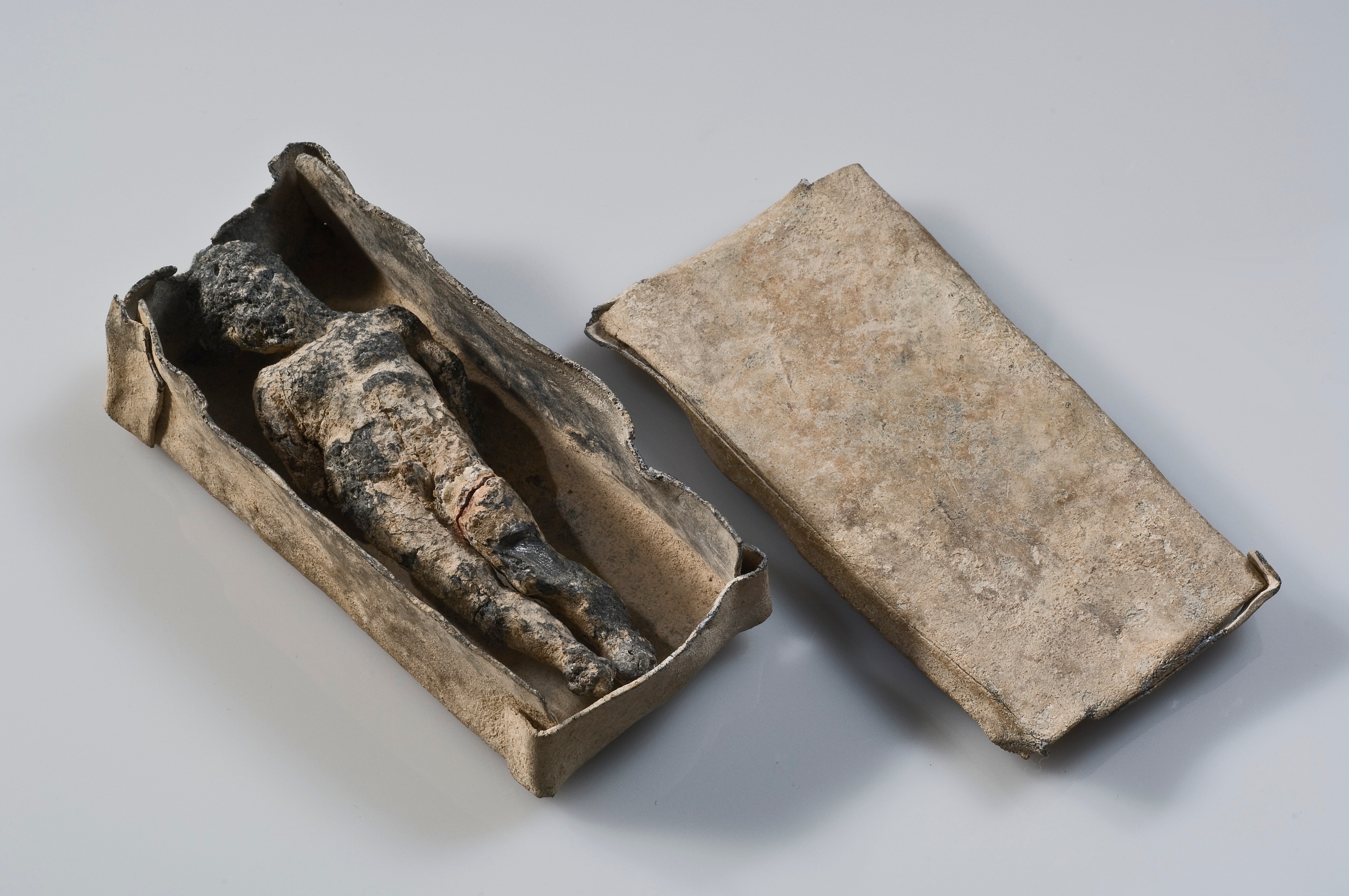
Miniature coffin with curse figure, c. 4th century BCE: This ritual artifact was thought to place a spell on enemies or rivals. A bound lead doll with its arms tied behind its back was meant to symbolically restrict the victim’s actions, speech and movement. Names of the opponents were often scratched on to the figure too. . (Toledo Museum of Art)
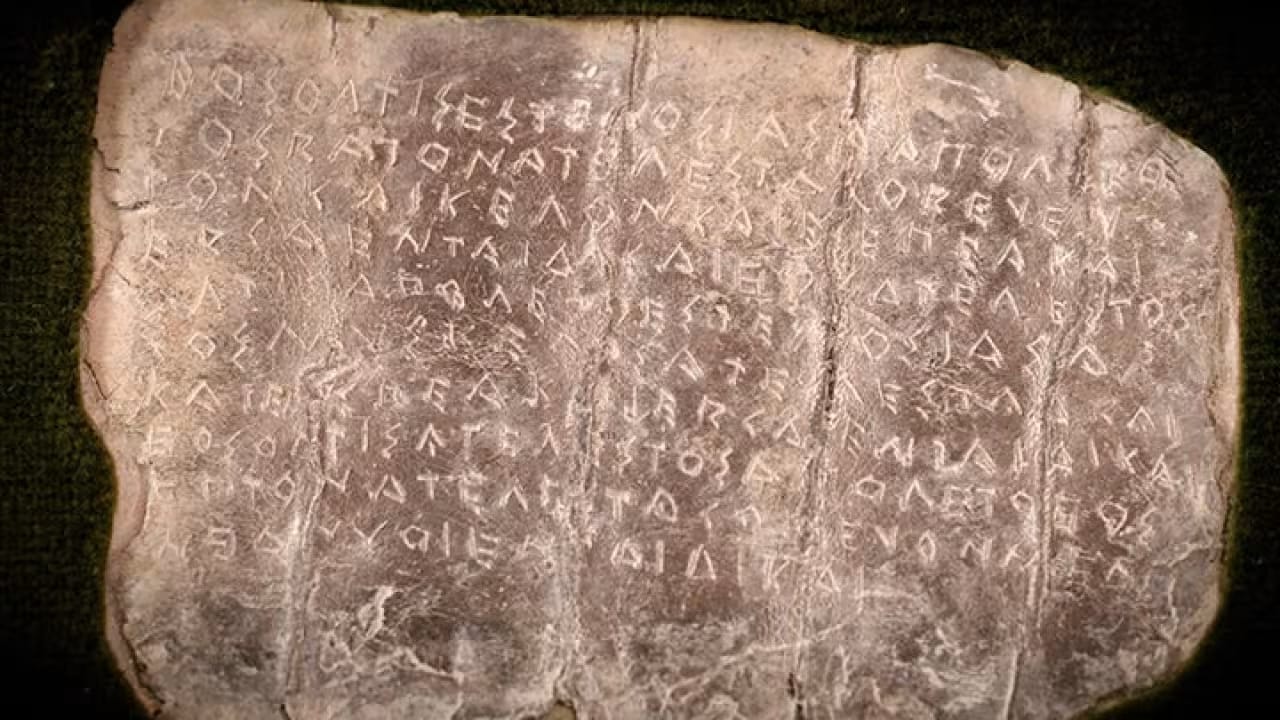
Curse tablet from Sicily, c. 500 BCE: Soft lead was chosen for curse tablets, which were common across the Greek world. People wrote names or grievances on them with a stylus, folded them, pierced them with iron nails, and abandoned them in spaces such as graves or wells, so they could reach the deities of the underworld. In this thin lead sheet that forms part of the exhibition, lines of Doric Greek offer a glimpse into a dispute between four men in Sicily. In addition to hiring a professional speechwriter to craft a persuasive speech for the courts, where their dispute was being heard, a professional curse writer was hired by at least one of the men. (Yale Library)
  • Gowri S
    ABOUT THE AUTHOR
    Gowri S

    Gowri S is a principal correspondent with HT’s Sunday longform features section, HT Wknd. With eight years of experience in feature journalism, she covers culture, the arts, environment, climate crisis, technology and history with a focus on India and the world. On an off day, find her nose-deep in a new playlist, or between deadlift sets.Read More

Explore the latest Lifestyle News on health, fashion, travel, relationships, food and festivals. Find useful tips, expert advice, trends and inspiring stories for everyday living.