
 E-Paper



Modular furniture is changing the way we live at home, and here's why
Modular furniture is helping modern homes stay flexible, practical and stylish, making everyday spaces work smarter as lifestyles continue to change.

 Prefer HTon Google


Our Picks
Our Picks
| Product | Rating | Price |
|---|---|---|
Callas ST-40 Wooden Study Table with Hutch & Bottom Storage – Multi-Purpose Office Desk for Laptop, Computer, Writing & Study – Durable Engineered Wood Workstation for Home & Office (White, ST-40)View Details  | ₹2,649 | |
 | ||
FASTUNBOX (LABEL) Luxury Furniture Square Foldable Storage Ottoman Coffee Cube Table Multipurpose Foot Rest Short Children Sofa Stool Bench For Bedroom Home Office Xl Size (Xxxl (78X38X39 Cm),Grey)View Details | ₹1,699 | |
| ||
DecoLogy Bookshelf for Home |Engineered Books Organizer for Study Room | Multipurpose Book Shelf for Home, Office |Book Organizer for Library | Living Room Furniture (Cupboard Rack - White, 5PCS)View Details | ₹4,229.1 | |
| ||
Klaxon L Shaped Study Table for Students and Adults/Computer Table for Home-Office/Gaming Table/Computer Desk for Corner - Wood & Metal (Classic - Black, DIY Installation)View Details | ₹8,299 | |
| ||
Wooden Furniture City116 Luxury Modern Tight Curved Back Velvet Sofa, Minimalist Style Comfy Couch for Living Room Apartment, 4 Seater Modular Sectional, CreamView Details | ₹26,000 | |
| ||

Research-Backed Choices
Every product we recommend is chosen through a combination of Primary Research and Secondary Research.
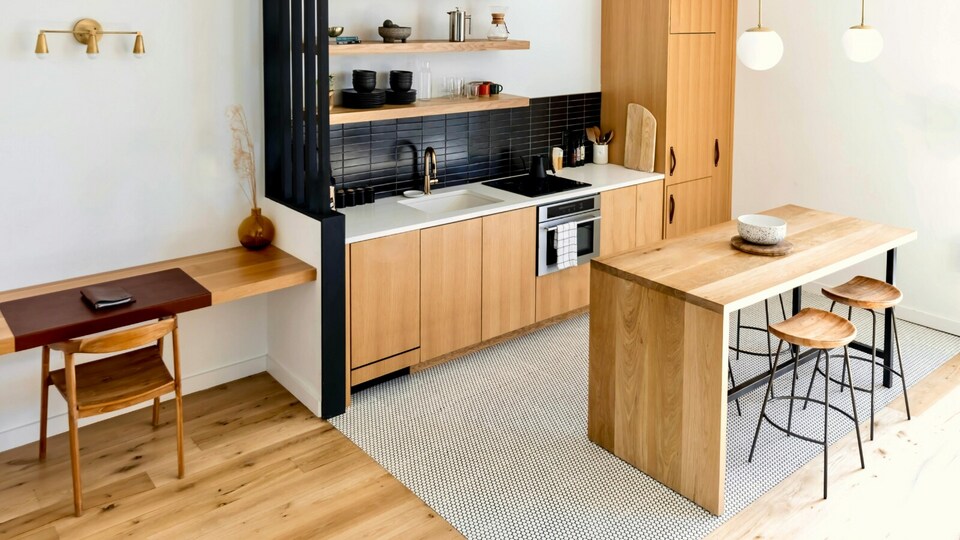

Not too long ago, buying furniture was a simple task. You measured your room, picked a sofa, added a dining table and hoped everything would stay relevant for years. Today, homes tell a very different story. A dining table doubles up as a work desk, the living room hosts movie nights and video meetings, and the spare bedroom is anything but spare.
Modern homes are expected to do a lot more than before, and the furniture inside them is keeping pace. According to Aishwarya Nair, Category Manager, Furniture at MagickHome, this shift has made modular furniture one of the biggest influences on contemporary interiors.
"Five years ago, most homeowners bought furniture for the space they had. Today, they're buying furniture for the life they expect that space to support," says Nair. She adds that furniture is no longer expected to serve a single purpose for years. Instead, people want pieces that can adapt as life changes.
Homes have become multitaskers
The biggest reason behind the growing popularity of modular furniture is simple. Our homes are no longer designed for just one activity.
The living room might be your office from Monday to Friday, your favourite spot for a family binge watch on Saturday, and a guest room when relatives come over. A child's bedroom may need space for toys today and a study corner a few years later.
Instead of replacing furniture every time life changes, modular pieces allow homeowners to rearrange layouts, add new sections or make small changes that suit their current routine. It makes the entire home feel more practical without demanding a complete makeover.
Every corner has to earn its place
Space has become one of the most valuable parts of any home, especially in cities. Every square foot matters, which means furniture has to work harder than ever.
That is changing the way people shop. Instead of choosing pieces based only on appearance, buyers are paying attention to functionality as well. Sofas with hidden storage, coffee tables that offer extra shelves and flexible seating arrangements are becoming everyday choices.
The goal is no longer to fill a room with furniture. It is to make every piece useful.
One size no longer fits everyone
Every home has its own rhythm. A young couple working from home will use their space very differently from parents with school-going children. Someone living alone will have a completely different set of priorities compared to retired homeowners.
That is exactly where modular furniture shines.
Instead of forcing everyone into the same layout, these furniture systems allow people to choose configurations that suit their daily lives. Extra storage, different finishes, flexible seating and custom combinations make homes feel far more personal.
It is less about following trends and more about creating spaces that genuinely work for the people living in them.
Furniture that keeps up with life
Life rarely stays the same for long. New jobs, growing families, shifting cities, or simply changing habits all affect how people use their homes.
Furniture that can change along with those milestones makes a lot of sense. Instead of replacing an entire setup, homeowners can simply expand or modify what they already own.
That flexibility also helps reduce unnecessary waste. When furniture stays useful for longer, people buy less often, making it a smarter investment in the long run.
Good design is becoming more practical
There was a time when interior design focused heavily on appearance. While aesthetics still matter, practicality is becoming just as important.
People want homes that look inviting but also make everyday life easier. Furniture that can adapt without compromising on comfort ticks both boxes. It creates cleaner layouts, makes better use of available space and supports changing lifestyles without adding clutter.
It is proof that smart design does not always have to shout for attention. Sometimes it quietly makes daily routines a little simpler.
Flexibility is shaping tomorrow's homes
The idea of a forever home is changing. People now expect their homes to grow alongside them rather than remain fixed in one form.
That is why modular furniture is becoming more than a passing interior trend. It reflects the way modern life works. Homes are expected to support work, relaxation, family time, hobbies and everything in between, often within the same walls.
As Aishwarya Nair points out, the future of interior design will not be defined by a single style. It will be shaped by spaces that adapt easily while still feeling warm, functional and personal.
At the end of the day, the best furniture is not the piece that simply looks good in a showroom. It is the one that continues to fit into your life, even as your life keeps changing.
Similar articles for you
Cushion covers to brighten up your rooms this summer; My top 8 picks
Office chairs with lumbar support: Understanding why this is important for your back
Switched my armchair to an ergonomic office chair: Changed how I work from home
The author of this article holds a Master's Degree in Interior Design and has spent over a decade in research, teaching, and designing homes from scratch.
Disclaimer: At Hindustan Times, we help you stay up-to-date with the latest trends and products. Hindustan Times has an affiliate partnership, so we may get a part of the revenue when you make a purchase. We shall not be liable for any claim under applicable laws, including but not limited to the Consumer Protection Act, 2019, concerning the products. The products listed in this article are in no particular order of priority.


