
 E-Paper



What’s cooking?: Swetha Sivakumar on how metal pans evolved

 Prefer HTon Google


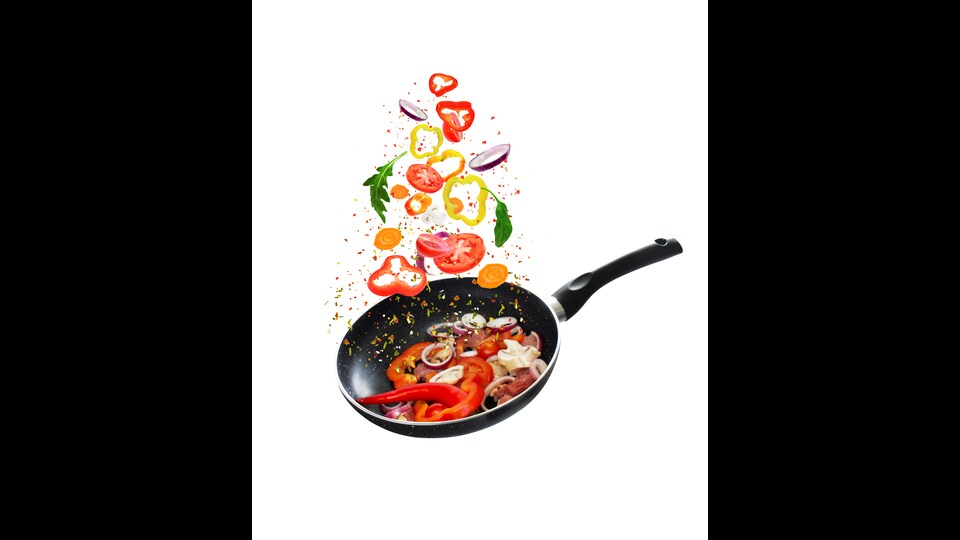
How did metal become a popular choice? Why did ceramics get phased out? Which metals are best-suited and why? Take a look.
Metal-based cookware does not break when dropped or shatter with temperature fluctuations. Plus, it conducts heat very well. Compared to ceramics that humans used for centuries, these advantages catapulted metal as the preferred choice of cookware. Unfortunately, popular metals such as copper, aluminium and iron react readily with acids. Given the dominance of acidic ingredients such as tamarind, kokum and tomatoes in our cuisine, people started looking for solutions to avoid metal leaching into their foods.
For copper, this was solved by coating the cookware with tin. Tin is a relatively inert metal; it does not react to acids. Even on accidental consumption, the body does not absorb tin. It just passes through. Another advantage is tin’s non-stick-like qualities. However, tin has a low melting point of 230 degrees Celsius. To avoid overheating, it is always advised to use tin-coated cookware with some liquid in it. Tin is also a soft metal that gets scratched easily. Over time, the tin coating wears off and you have to get the vessel re-tinned.
Moving on to aluminium, a popular technique to prevent leaching is anodisation, where a thick oxide layer is added to the surface of the metal. This aluminium-oxide layer protects the inner metal from reacting to food.
When it comes to iron, unlike copper or aluminium, accidental leaching is not harmful to the body. However, you still get a metallic taste in the food, which is undesirable. Cast-iron cookware with enamel coating is one way to circumvent this problem. Another way is to use a corrosion-resistant alloy of iron that Harry Brearley invented in 1913: stainless steel. Brearley found that when iron was alloyed with chromium and other minor elements, the resultant alloy was highly corrosion- and acid-resistant. This has made stainless-steel cookware both long-lasting and very popular.


