
 E-Paper



Digital detox: How to declutter your tech junk drawer

 Prefer HTon Google


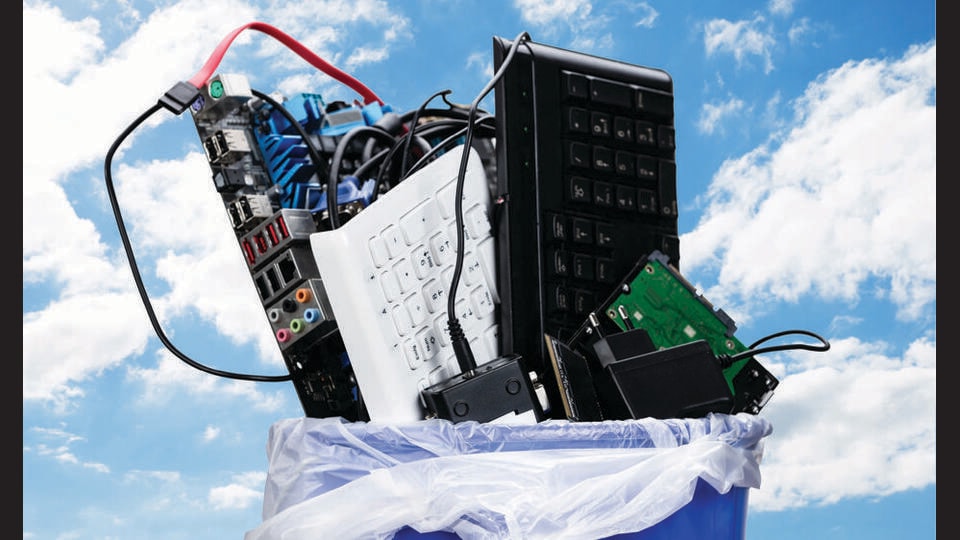
From cables to dead phones and mystery chargers, here’s what to keep, what to chuck and what to wipe when decluttering your tech drawer
Every home has one drawer we never want to open. It’s got everything. The Nokia 3110, saved as a reminder of a more innocent time. One earbud – the other one went out in the lockdown and never came back. A nest of cables tangled more tightly than the Kardashians. USB A, USB B pins and their mini versions. The cover of the smart coffee cup you swear you haven’t lost, just misplaced. And a charger, but to charge what? Maybe even a CD gleaming dully under it all.
What stays, what goes, what deserves a second life and what’s still tracking you? We asked experts.

Pick the survivors. Amogh Deshmukh, assistant professor and assistant dean of student affairs at Woxsen University’s School of Technology in Hyderabad, says that decluttering tech junk is no different from other parts of the home. “Spread everything out where you can see it, then sort it into categories. First, find the drives and memory cards. That is where the data lives.” Store them where you keep your documents.
For cables and cords, Deshmukh applies the match test. “Pick up each one and find the device in your home that it powers or connects. If you cannot find it in under a minute, the cable has no reason to stay. Keep only one spare of the connectors you use — USB-C, lightning, HDMI — and let the rest go. Also check every charger for a fraying cable or a missing brand marking; those are fire risks, not backups. Label the items “iPhone charger,” “office laptop charger,” “old Bluetooth speaker cable,” “spare HDMI” so future-you can locate it faster.
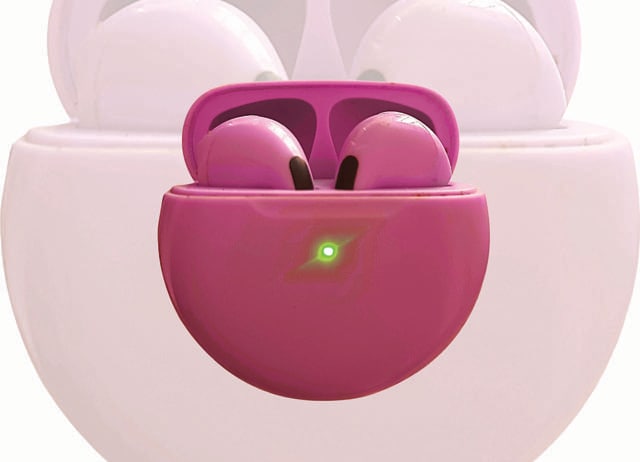
As for the rest, “figure out what still works,” says Varun Bapna, VP of Amkette and founder of EvoFox. Most devices fall into one of three categories: Working, needs repairs, beyond hope. Rechargeable batteries for instance, may look dead, but can be revived when you “connect it to its original charger for 12 to 24 hours.” Abhishek Maheshwari, CEO, OneAssist says that even if a device refuses to turn on, inspect it for visible damage: Swollen battery, corrosion, cracked display, broken hinges and damp.” It helps you decide what’s not worth keeping, regardless of how much you once paid for it.
Ask this one question. People obsess over how old a gadget is. Bapna says they’re asking the wrong question. Instead, ask: Will I use this in the next year? If not, could someone else use it? In India, many electronics get a second life because they get passed on to parents, siblings, cousins, or household staff. If nobody wants it, consider selling it while it still has value.

Pool in the data. Smartwatches, fitness bands, Wi-Fi cameras and smart speakers contain records of your heart rate, sleep patterns, daily routes and home address. “Back up the files you want,” says Bapna. “Sign out of every account. Remove the device from your Apple, Google or Microsoft account. Take out the SIM card and memory card. Disable activation locks such as Find My iPhone before performing a factory reset.” For older laptops, external hard drives and pen drives, use secure data-wiping software that overwrites the storage so it carries no traces of you when it leaves.
“Every connected device leaves two footprints: one on the device, and one in the cloud account it is paired with,” says Deshmukh. “Cleaning the device is only half the job. Before passing on any smart gadget, unpair it from your phone, remove it from the companion app, and delete it from your account on the manufacturer’s platform.”
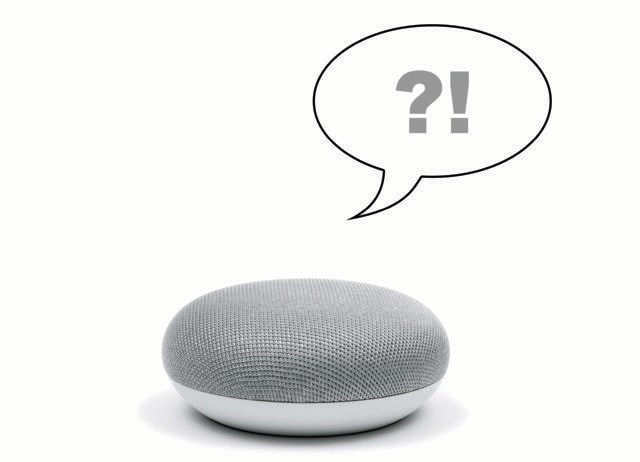
For cameras and speakers, also delete stored recordings and voice history from the cloud dashboard, and change your Wi-Fi password if the device knew it. A smart camera that is still registered to your account can, in the wrong hands, remain a window into your home long after it has left it.
Get calculating. Smartwatches and wireless earbuds are among the least repair-friendly. “If repair costs less than about 25% of the device’s current market value, it’s usually worth it, especially for common fixes such as battery replacements, charging ports, cracked screens, back panels, laptop RAM upgrades or cooling-system cleaning,” says Maheshwari.
Remember that electronic devices, cables and chargers are all e-waste. Pass them on to an authorised recycler. Don’t toss them into the trash.
From HT Brunch, August 29, 2026
Follow us on www.instagram.com/htbrunch


