
 E-Paper



Fit and Fine by Kamal Singh CSCS: The secret to a long life

 Prefer HTon Google


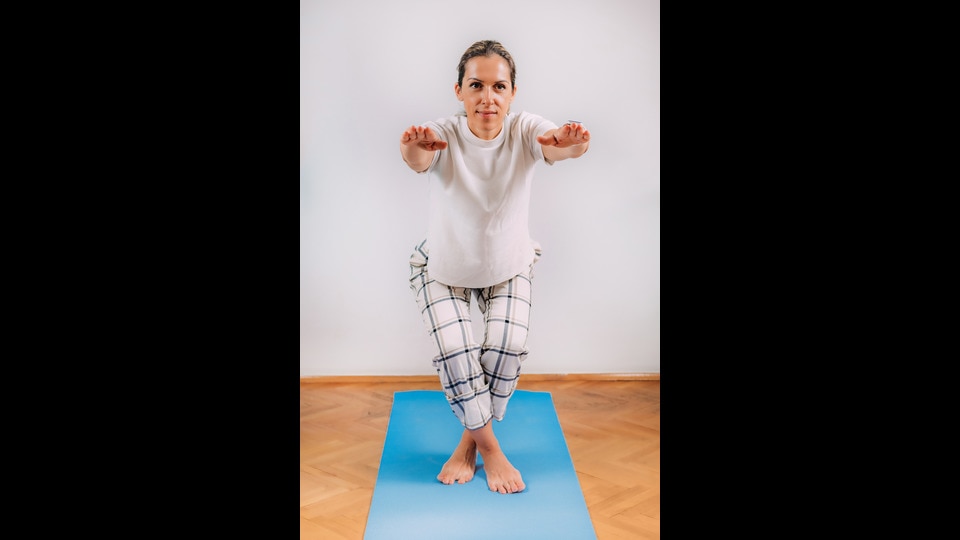
The Sitting Rising Test, now also called the Brazilian Get up test, is a measure of longevity in the middle aged and elderly that everyone is trying out
What if I told you that there exists a test which can predict who will live long and whose life will be cut short? Most readers would not be wrong to assume that I am talking about different aerobic fitness tests which are closely correlated with cardio-vascular health and longevity. But this test that I am referring to is not about aerobic fitness but rather musculoskeletal fitness. Actually, very few scientists have looked at the impact of musculoskeletal fitness or the lack of it on mortality and longevity.
Are you happiest travelling solo, with a partner or as part of a group? That could tell a lot about yourself and who to pick for as a wanderlust buddy
Not so anymore. Brazilian researchers came up with the Sitting Rising Test, now also called the Brazilian Get up test, as a measure of longevity in the middle aged and elderly. The Sitting Rising Test looks at the ability to sit and then rise unaided from the floor. It is a simple test of strength, mobility, stability and balance, everything is that is required to be functional whether in daily life or on the sports field.
How to do the SRT
The test is fairly simple as it does not require any equipment or a particular place like a gym but is not easy to do. Wear comfortable clothes like at-shirt and shorts/track pants to perform this test. Shoes are not worn while doing it. Here is how to go about it.
•Stand up straight. There should be enough space around you.
•Slowly lower yourself to floor till you are fully sitting down.
•Now try and stand up without using your hands, knees or forearms.
•Everyone starts with 10 points. One point is deducted for each hand, arm, knee, forearms or side of the leg used for support. Half a point is deducted for each loss of balance.
•A score of 8-10 points is good, 7.5-3.5 is fair and 0-3 is poor.
The European Journal of Preventive Cardiology Study
The study* by the Brazilian researchers on the SR test was published in the July 2014 edition of European Journal of Preventive Cardiology. The researchers had 2002 men and women take the test. Follow ups were done on the subjects up to 6 years after the test. Lower the test scores, higher the chances of dying. In fact, an increase in 1-point improved mortality rate by 21 percent.
The takeaway from the above study
For too long well-meaning doctors have advised their patients to just walk as a means of improving health and fitness. I keep hearing how “walking is the best exercise”. You might be able to walk multiple kilometers at a time but if you need help getting up from a chair then the aerobic fitness is not very helpful. We need to work on improving strength of all the various movement patterns—squat, lunge, hinge, push and pull. These five movement patterns are universal to all humans on this planet and should be the basis of any decent fitness program.
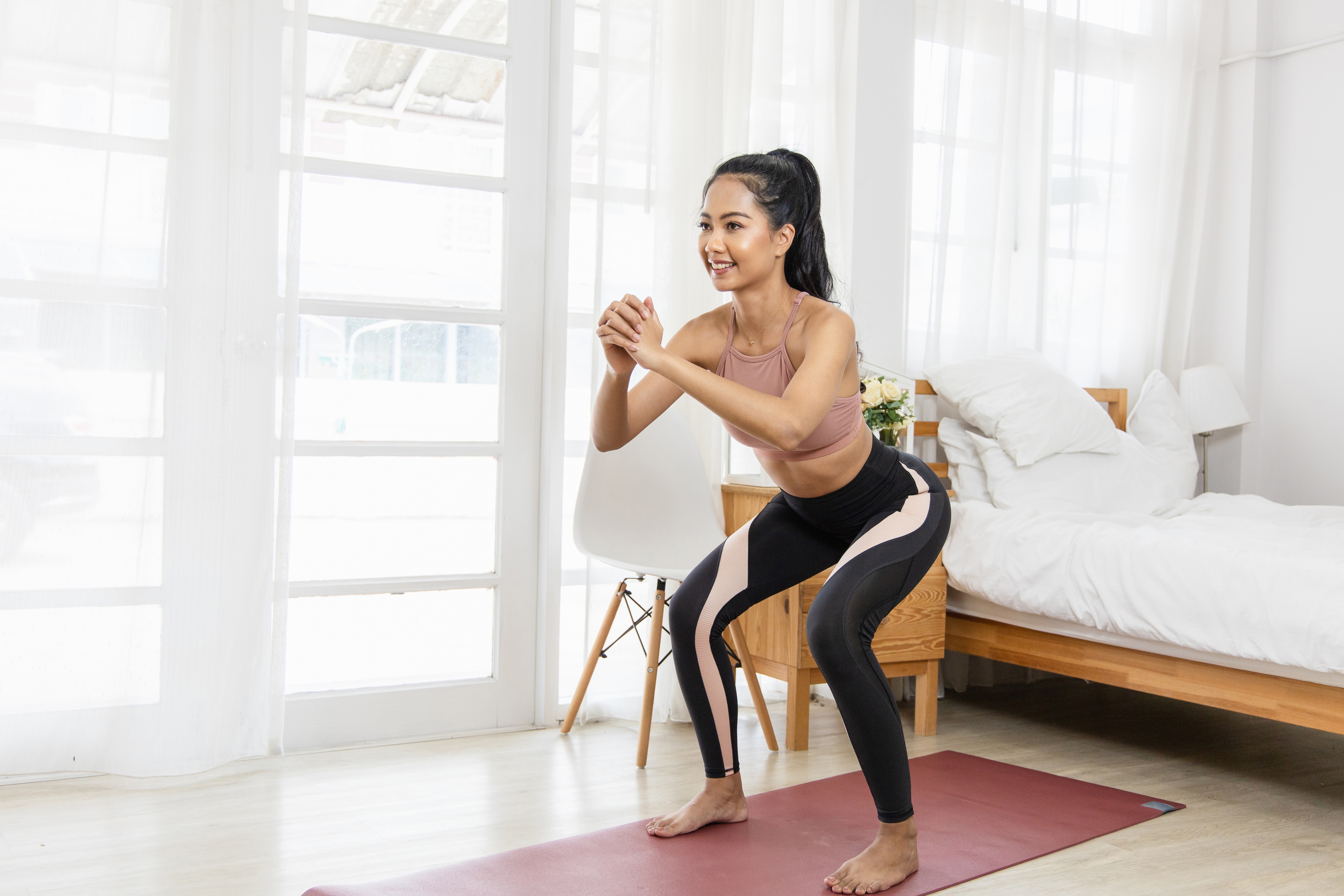
•Squats: Everyone should be able to able to do 50 bodyweight squats, where the tops of the thighs are parallel to the floor.
•Lunge: 20 lunges on each leg should be easy to do
•Hinge:The hip hinge is needed to pick up things safely from the floor. Everyone should be able to do 20 repetitions with 10 kgs.
•Push : 20 pushups for men and 8 pushups for women.
•Pull: Requires some equipment – resistance band, kettlebell or dumbbell. Single arm rows are ideal. Essentially grabbing a weight and pulling to the hip while being in a bent over position. 20 repetitions per arm with 8 kg kettlebell or dumbbell.
Most people are unaware that musculoskeletal strength and fitness has such a huge impact on the quality of life. Newer tests are coming up like the grip test or the push up test. But that is for another time and another column. For now, start doing your squats, pushups etc. Start now.
*Read the study - https://pubmed.ncbi.nlm.nih.gov/23242910/
Kamal Singh is a Certified Strength and Conditioning Specialist who has been coaching for 15 years
From HT Brunch, October 17, 2021
Follow us on twitter.com/HTBrunch
Connect with us on facebook.com/hindustantimesbrunch


