
 E-Paper



Gotta catch ’em all: Why we’re still playing Pokémon Go, ten years later

 Prefer HTon Google


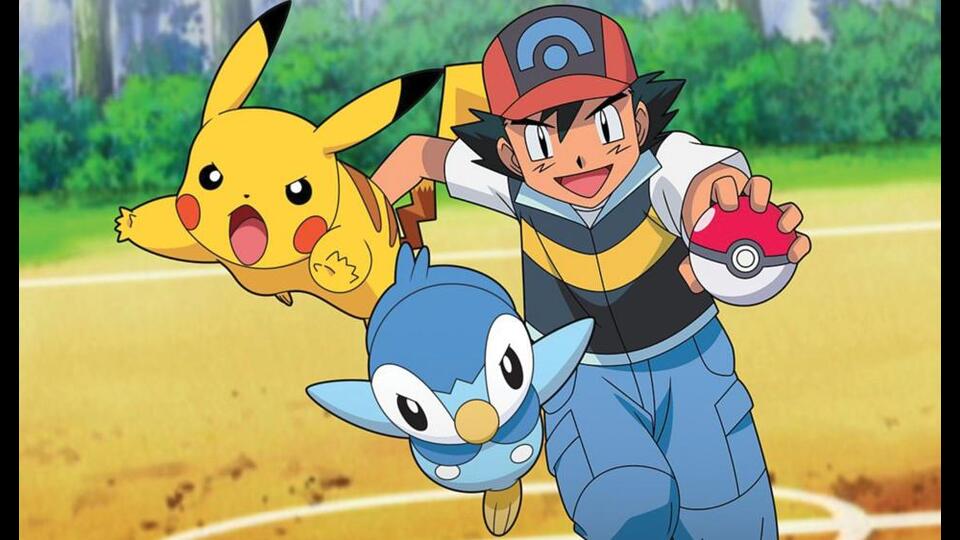
A decade in, we’re still obsessed with Pokémon Go. Players travel miles to catch prey; collectors go wild over rare cards. Here’s why it has inspired everyone
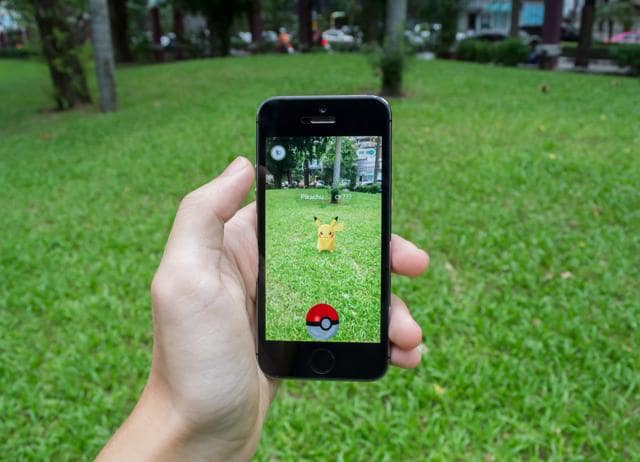
Has it been 10 years of Pokémon Go already? Wasn’t it just yesterday that we were bunking college to find new caches of Detective Pikachu and Uxie in a seedy back lane, or an Armoured Mewtoo and Shundo in a mall parking lot? Over the course of the decade, fans have gone to extraordinary lengths for the GPS-led augmented-reality mobile game. Some have spent over nine hours at a stretch just waiting to catch a rare Pikachu behind the local chai tapri, players have walked a collective 100 billion kilometres in the actual world, enough to complete 334 round trips to the sun.
While Pokémon has played on Cartoon Network India since May 2003, Pokémon Go got a generation of screen-obsessed kids to look up, walk though a neighbourhood, a new street, a cemetery, a back alley, and explore it a little bit more. A decade on, the game has more than 35 million active players, many of them from India. We’re still hooked.
Evolution revolution
Grown-up players have located virtual monsters around the world – in places of worship, strip clubs, the Pentagon, even active war zones. But most participants chase a rare character such as Munchlax and Feebas, not an unusual location. Delhi player Abhishek Mishra, 29 (@FreakyOtaku) has been pounding the pavements ever since the game arrived here in 2016, and claims to have once caught more than 300 Pokémon in a single game session. “A friend once told me about a rare Pokémon that had appeared 5km away. I travelled there but couldn’t find it because the virtual monsters only spawn for a limited time.”
Niantic, the game maker, has been busy over the last decade. India now has more than 5 lakh PokéStops and Gyms, an inbuilt tool that tracks nearby landmarks, Hindi support, and massive real-world events featuring creators such as Ashish Chanchlani and Triggered Insaan.
Alongside, they’ve worked on getting younger and younger fans inducted into the search. In Pune, Tohit Younus Shaikh is only 13, and has watched the TV show via episodes his father had downloaded on to a storage drive. “I desperately wanted to play Pokémon GO, but my old phone didn’t support it. Last year, my father bought me a Samsung phone with good RAM.” His prize catch: Infernape, a fire-starting/fire-fighting monkey.
One step ahead
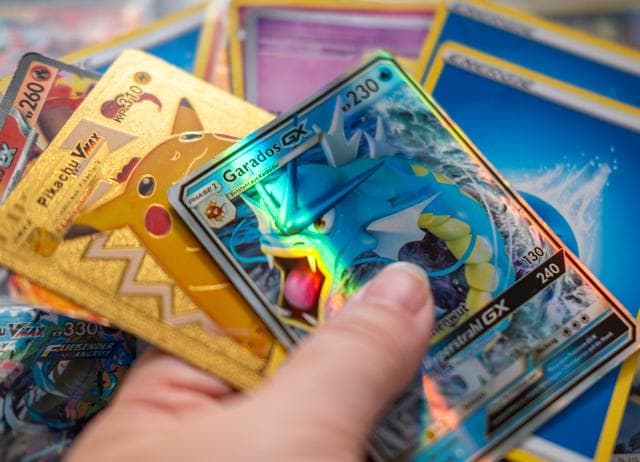
Those who’ve stopped watching or playing stay literally invested in a different way. “Pokémon was everywhere – on TV, on tazos in Cheetos packs, at your picnic, on trading cards, everywhere,” says Khumail Thakur (@KhumailThakur), 32, a gamer and tech journalist from Mumbai. But gamemakers knew that nostalgia only goes so far. The franchise’s world-building and “collectathon” gameplay also come with limited-edition cards featuring the work of celebrated contemporary artists such as Ken Sugimori and Akira Egawa.
The cards, which were introduced in the 1990s, have outlasted competing toy and game franchises and are a vast collector’s market even in India. “For any player, having a physical card means having a piece of their beloved Pokémon in their hand, and people go to any lengths to acquire them,” says 27-year-old Anshu Bisht (@GamerFleetOg) from Haldwani. They were the most sought-after item at the Bangalore Card show, India’s first official event for trading cards. “When I see my fav Pokémon Rayquaza’s crazy rendition on a card, I go wild,” says Bisht. Some collectors spend as much as ₹35,000 on a single card, while Thakur has dropped around ₹50,000 on a boxed set. Unopened specialty boxes can fetch ₹3 lakh – not bad for a category that is import-driven.
Magnifying glass
Another surprising group that’s into Pokémon: Scientists. In 2021, Dr Dan Warren, a population biologist at the Gulbali Institute at the Charles Sturt University in Australia , who studies species-distribution models for conservation, used Pokémon Go data on the Australia-exclusive Kangaskhan character to test his models. What began as a “very funny source of complete nonsense data” exposed significant biases. “We started out by making a silly joke and it led to understanding a really important new statistical method!” he says.
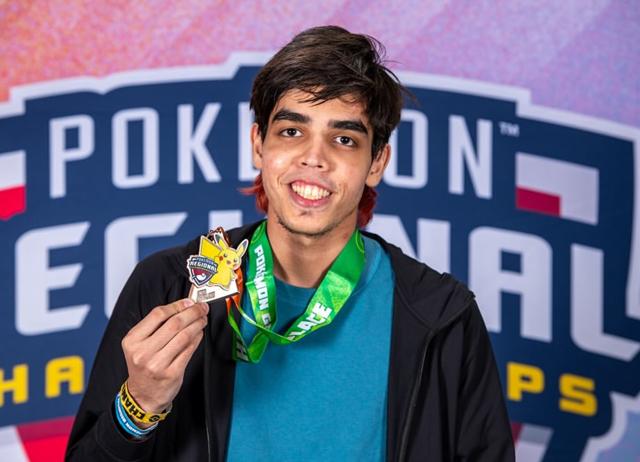
Warren believes the franchise taps into our love for nature. “People are born naturalists and it plays into that.” It also satisfies the craving for a pet, while not knowing which Pokémon you’ll find feels like an adventure, notes Ved Bamb, 26, who won the Pokémon World Championship in August 2025 in Anaheim, California, the first Indian to do so.
This fascination inspires real-world conservation: Pokémon Go’s Earth Day clean-ups mobilised players to clear rubbish from public spaces, while the #PokeBlitz initiative (players who post the wildlife they encounter on their virtual quests) has boosted citizen-science initiatives. The company is now building a giant, human-sized Poké Ball hotel pod in the forests of Hokkaido, Japan, so the transformation from human to Pokémon can be complete.
From HT Brunch, September 26, 2026
Follow us on www.instagram.com/htbrunch


