
 E-Paper



Mosh definitely: India’s metal scene is lit

 Prefer HTon Google


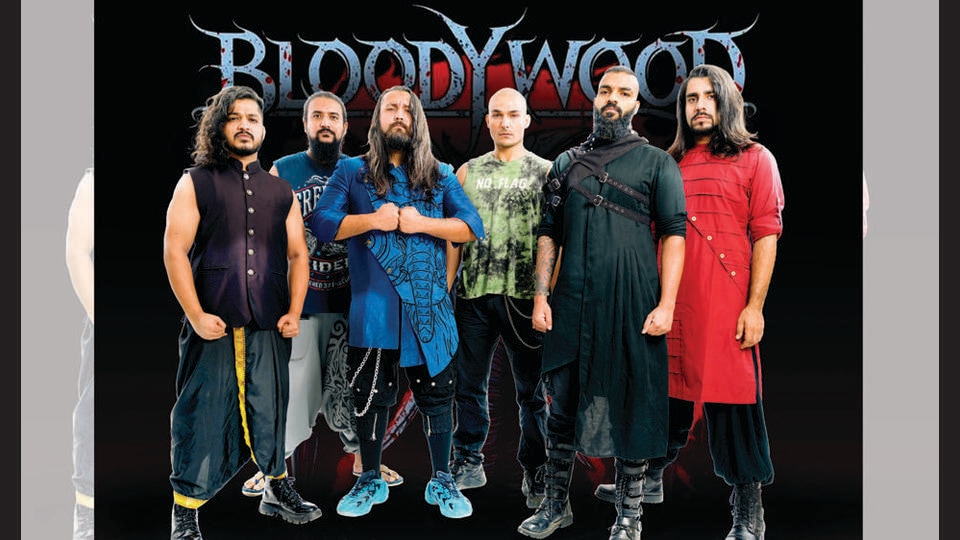
Headbangers, unite! Bloodywood is playing Japan. Songs feature the sarod and dhol. Are we loud enough to take on the world? Let’s find out
The YouTube comments section for a Bloodywood video is like the heavy metal version of the United Nations. The New Delhi trio blends nu metal with Indian folk. Their wholesome, tongue-in-cheek fun vibe has earned them fans all over the world, many of whom delight in leaving them little love notes.
“Guys, I’m an old aunt from Russia,” writes one fan. “Each of your songs and videos tear the soul apart.”
“I’m Brazilian, but we are brothers, guys!” writes another.
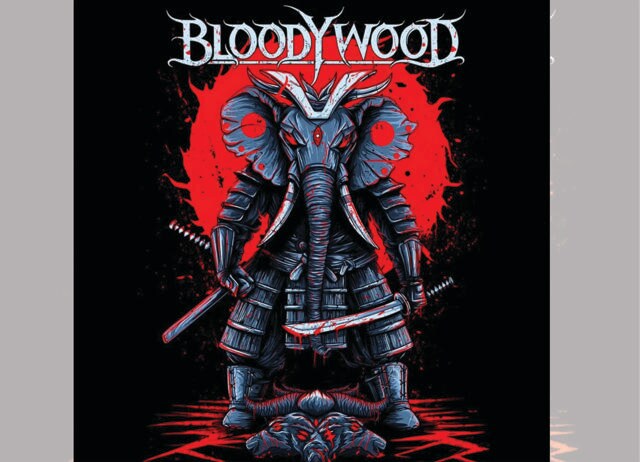
On and on it goes, with fans chiming in from Czechoslovakia, Chile, Japan and the US. It’s a testament to how Bloodywood has put Indian metal on the global map. Bloodywood, which consists of Karan Katiyar, Jayant Bhadula and Raoul Kerr, was set up in 2016 as a parody band, recording metal covers of what they saw as “shitty pop songs”. The group has since released two critically acclaimed albums. Their 2022 debut album Rakshak peaked at #93 on the Billboard US Top Album Sales chart, and #10 on the US World Albums chart, the first Indian metal act to hit both those milestones. They’ve collaborated with iconic Japanese Kawaii metal act Babymetal and toured 90-odd countries, with gigs at high-profile festivals such as Wacken Open Air and Graspop Metal Meeting. The UK’s Guardian newspaper recently called them “one of metal’s most original bands”.
Bloodywood is overwhelmed. “We’re just three boys from Delhi who wanted to play metal and have fun,” says Bhadula, ahead of the band’s sold-out three-city tour of Japan, and a 24-city US tour in support of their sophomore album, Nu Delhi. “To not only get to do that, but also represent our nation—and Indian metal—on the world stage, is something very beautiful.”
Their unprecedented success has also brought the world’s attention to the Indian metal scene, which has been simmering in the margins for decades.
Volume up
Indian metal’s big moment thus far was in the early 2010s, when the indie music scene was expanding to bigger and bigger stages. Metal acts such as Scribe, Undying Inc and Bhayanak Maut played at NH7 Weekender, Hornbill and other big festivals. Other acts (Kryptos, Demonic Resurrection and notably Skyharbor) toured Europe.
Times were so giddy that in 2015, music instruments retailer Bajaao put together a massive two-day multi-stage festival, BIG69, devoted entirely to metal. It had headlining sets by UK death metal pioneers Carcass. UK prog-metallers SikTh and Italian symphonic death metal band Fleshgod Apocalypse were in the line-up, alongside 15 local bands. More than 2,000 fans attended in Mumbai. This was Indian metal’s coming-out party.
In the decade since, the noise has dimmed somewhat. “We’re still at one or two small shows a month,” says Sahil Makhija, aka the Demonstealer of the Mumbai band Demonic Resurrection. “One or two venues in a city accommodate metal. And there is just one promoter in every city, who’s picked up the torch from the previous one.” Makhija himself is better known online as a restaurant reviewer, under the handle #HeadBangerEats.
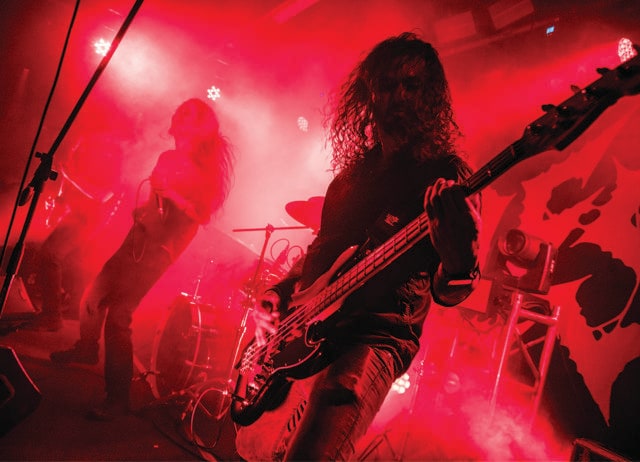
Meanwhile, Bloodywood’s international gigs may well be the world’s friendliest riots. Audience members bounce off each other in sync with dhol grooves, gnarly guitar riffs and unlikely flute solos. At one concert on this year’s Europe tour, a Sri Lankan fan came to the Malmö venue dressed as the goddess Kali, blue body-paint and all. When they played Tokyo last May, a local restaurant owner locked up his establishment just to go see them play.
Sound check
Perhaps metal struggles in India simply because it’s a niche within the already niche world of independent music. Its focus on heavy, ribcage-rattling sound and morbid, often anti-establishment themes means that even globally, it’s not for everyone. In India, there are also more structural issues: Sponsors have largely dried up, venues prefer to host a DJ or a stand-up comedian than to put on a five-piece band playing at ear-splitting volume. College festivals served as incubators for new metal bands for generations. “They introduced people to this sort of music at a younger age,” says Abbas Razvi, bassist for Hyderabad death metal act Godless, who has been organising shows under the Aggressive Tendencies banner for nearly a decade. But they’ve moved on to rap and dance music. “Now, most gigs happen at places where you have to be 21 and above to enter.”
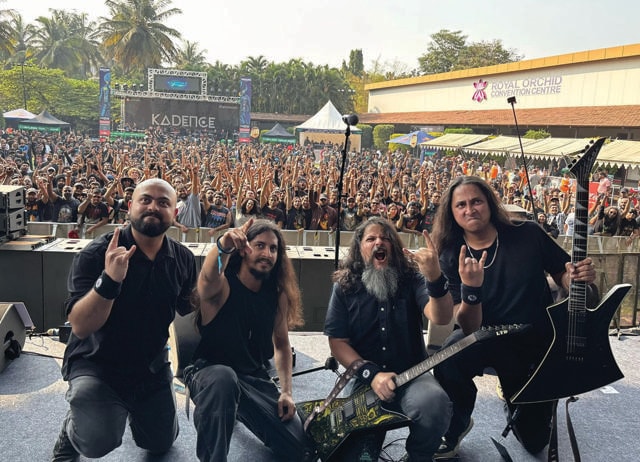
There’s almost no metal in the line-ups at Lollapalooza and Echoes Of Earth. But for those looking, metal is easy to find. Adit Dilip Khanzode, musician and sound engineer, has been organising metal shows in Mumbai under the BlackBlood banner since 2016. Between 150 and 350 people attend – just enough to keep the show going. In the last year, international underground bands such as Malevolent Creation and Suffocation have had sold-out shows at Bengaluru and Mumbai clubs. There’s some of it at rock-oriented festivals such as Bandland and Mahindra Independence Rock.
Dedicated metal festivals such as Bangalore Open Air and Scarfest are smaller, but are packed. It’s where long-time metalheads rub shoulders with newer inductees. And it’s where decades-old bands such as Bhayanak Maut, Gutslit and Demonic Resurrection, play alongside relative newcomers such as Dirge and Against Evil. “Bands are a lot more serious about it, the quality of the music has improved and the technical floor has risen,” says Tabish Khidir, frontman for Dirge. “And there are always young people who look for aggression and emotion in music, so there’s always an audience for metal.”
Shouting chance
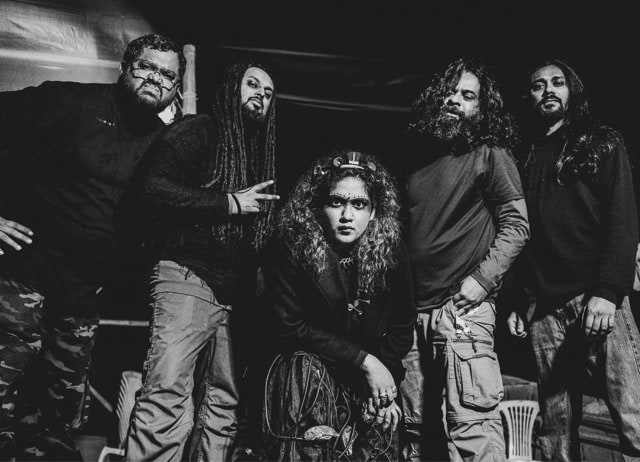
Much is riding on Bloodywood’s international success. Makhija says that because the band plays up its Indian identity, it has “opened the doors” for other bands to do so too. Kannur act The Down Troddence integrate Malayali folk and classical music into their brand of thrash and prog metal (their February single Maharani even features TM Krishna as a collaborator). Mumbai band Zygnema’s 2024 EP Iconic also features Carnatic rhythms and Marathi folk vocals. Panchabhuta, from Kolkata, blends heavy metal with Indian classical and Carnatic music. They perform wearing dhotis and play the ghatam and the sarod – a move that would have had them booed offstage in the early 2000s. At the Bangalore Open Air this year though, they blew audiences away, winning a much-coveted spot at the Wacken Open Air festival in Germany.
More and more Indian bands are finding audiences overseas. Apart from Bloodywood, Demonic Resurrection, Midhaven, Against Evil, Kryptos, Godless and Gutslit have announced international tours. “Fans today are more open to all sorts of genres,” says Khanzode. “The sort of tribalism you’d have between fans of different bands and sub-genres in the 2010s has mellowed down a bit.”
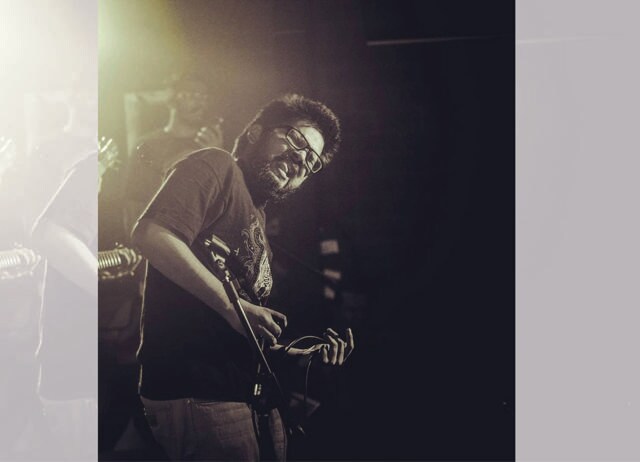
But Makhija, who has played abroad with Demonic Resurrection, believes it’s also because Indian bands have upped their game. “In the metal scene, it’s more about, ‘Are you a good band?’ If you can put up a good show, you will get the vote of the crowd, you know?”
More women are part of the scene now, says Pratika Prabhune, a Mumbai-based vocalist, bassist and songwriter who started her first band Chronic Phobia with her brother Pritesh at 14 in 2007. “At the Bangalore Open Air Festival this year, women fans were in metal and goth gear,” she says. They’re on stage too. “There’s Riddhi Vyas in Apocryphal and Ananya Patil, the new Atmosfear drummer. There’s also Sera Chitgopkar, who plays guitar in The Mortist.”
Bloodywood are optimistic about the scene in India. “When we started out, we had much more success abroad, now more and more people in India checking out our music,” says Bhadula. “The people who attend our shows are also picking up their guitars and forming bands.”
Makhija, who has spent 25 years trying to make Indian metal happen, is a little more circumspect. “I hope that someday we reach a place where there’s infrastructure for bands to plan and execute tours across the country, and to be able to financially support themselves playing metal music,” he says. “That’s probably not going to happen in my lifetime.”
From HT Brunch, May 24, 2025
Follow us on www.instagram.com/htbrunch


