
 E-Paper



Perimenopause 'isn't same for everyone': Radiologist shares why you shouldn't rely on online trends to manage symptoms

 Prefer HTon Google


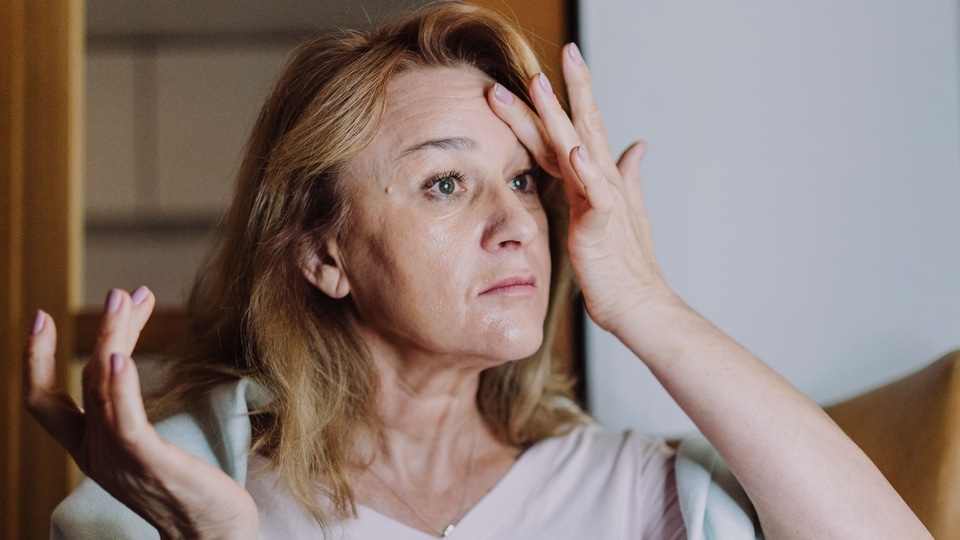
Social media has helped start a conversation around perimenopause that was previously untapped. However, internet remedies are not a one-size-fits-all solution.
Once a topic rarely discussed outside doctors' clinics, perimenopause is now all over social media – from Instagram reels and YouTube videos to podcasts and online forums – with women openly sharing experiences of brain fog, anxiety, weight gain, sleeplessness and irregular periods. While this has helped raise awareness and break the stigma surrounding this often-overlooked life stage, experts warn that it has also led to a rise in self-diagnosis, with many women attributing every new symptom in their late 30s or 40s to perimenopause without seeking medical advice.
In an interview with HT Lifestyle, Dr Bimalpreet Mohan – director, chief radiologist and women's health specialist at Capital Health Clinic in Hauz Khas, New Delhi – explains, “Social media has played an important role in making women more comfortable talking about perimenopause, but it should not replace medical consultation. The concern begins when common symptoms are automatically labelled as perimenopause without any medical evaluation. Several health conditions can mimic these complaints, and assuming hormones are always responsible may delay the correct diagnosis.”

Perimenopause isn’t the same for everyone
Perimenopause is the transition leading up to menopause, when hormone levels begin to fluctuate. According to Dr Mohan, it can start several years before menopause and affects every woman differently. While some experience hot flashes and irregular periods, others may notice mood changes, sleep disturbances or joint aches. Some women have very few symptoms at all. This wide variation is exactly why doctors advise against relying on online symptom checklists.
The women's health specialist explains, “There is no single symptom – or even a single blood test – that confirms perimenopause. Doctors look at a woman's age, menstrual history, symptoms and overall health before arriving at a diagnosis. Hormone levels can fluctuate significantly during this phase, so laboratory reports alone often don't provide the complete picture.”
Not every symptom is hormonal
Fatigue, weight gain, poor sleep and difficulty concentrating are among the most searched symptoms online. However, these complaints are not exclusive to perimenopause. Dr Mohan highlights that thyroid disorders, anaemia, vitamin deficiencies, chronic stress, depression and metabolic conditions can present in similar ways. Without proper evaluation, women may overlook health issues that require specific treatment.
She emphasises, “Changes in menstrual bleeding deserve particular attention. Heavy periods, bleeding between cycles, bleeding after intercourse or persistent pelvic pain should never be dismissed as ‘just perimenopause’. These symptoms may indicate conditions such as fibroids, adenomyosis, ovarian cysts or abnormalities of the uterine lining that need medical evaluation.”
The role of imaging
Although imaging cannot diagnose perimenopause itself, it plays an important role in identifying other conditions that often emerge during this stage of life. According to the radiologist, a pelvic ultrasound can help detect fibroids, ovarian cysts, adenomyosis and changes in the endometrium, while breast imaging – including mammography or ultrasound when indicated – helps evaluate breast changes that become more common with age.
Dr Mohan notes, “Women should understand that imaging isn't about proving perimenopause. Its role is to ensure that symptoms are not being caused by another condition that requires medical attention. Early detection allows many problems to be managed before they become more serious.”

Why you shouldn’t rely on internet advice
From hormone-balancing diets to supplements and wellness hacks, social media is filled with advice promising to ease perimenopausal symptoms. While healthy eating, regular exercise and good sleep habits benefit overall health, there is no one-size-fits-all treatment.
Dr Mohan points out, “Every woman's experience is different and there is no universal perimenopause plan. Some may need only lifestyle changes, while others may require medication or hormone therapy. Treatment decisions should always be based on a thorough medical assessment rather than internet trends.”
Listen to your body, not your feed!
The growing awareness around perimenopause is encouraging more women to seek help, and that is undoubtedly a positive change. But awareness should lead to informed conversations with healthcare professionals, not assumptions based on trending content.
Dr Mohan concludes, “Use social media to start the conversation, not to end it. If you're experiencing new symptoms in your late 30s or 40s, don't self-diagnose. Consult a healthcare professional, undergo the recommended evaluation and, when necessary, the appropriate imaging. The right diagnosis is the first step towards the right treatment.”
Note to readers: This article is for informational purposes only and not a substitute for professional medical advice. Always seek the advice of your doctor with any questions about a medical condition.
Dr Bimalpreet Mohan is the director and head of the department of radiology at Capital Health & Diagnostic Clinic, Hauz Khas, New Delhi, with over 15 years of experience in advanced diagnostic imaging. She specialises in MRI, CT scans, ultrasound, doppler imaging, mammography and breast imaging.


Catch your daily dose of Fashion, Taylor Swift, Health, Festivals, Travel, Relationship, Recipe and all the other Latest Lifestyle News on Hindustan Times Website and APPs.


