
 E-Paper



The Indian “bad girl” is now the main character. Finally

 Prefer HTon Google


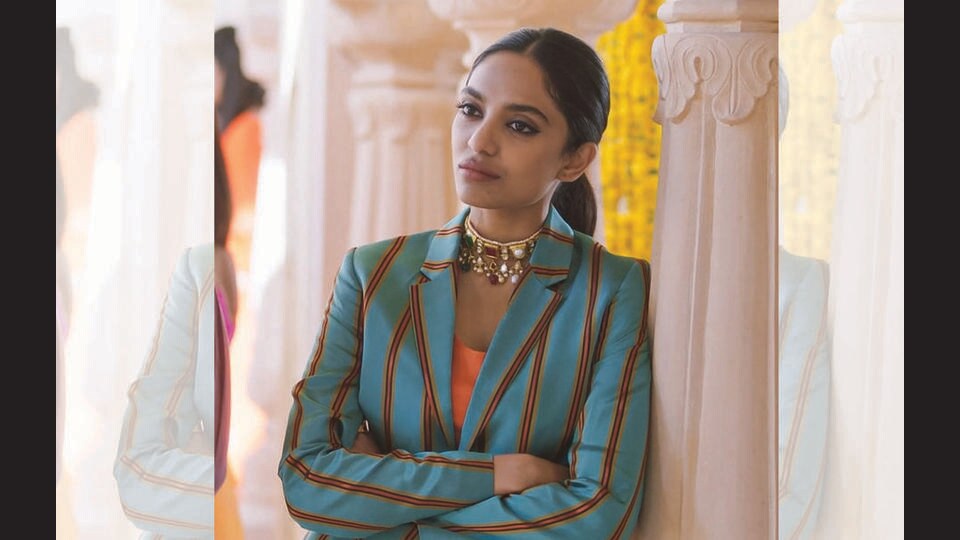
Villain? Virgin? How about no. On screens and in books, women are now gloriously odd, messy and complex. We’re here for the baddies
Betty and Veronica. Glinda and Elphaba. Sinner and saint. Virgin and vamp. The girl-next-door and the jealous rival. Pop culture has survived for decades by pushing women characters into good-bad binaries. Heroines in YA romances are typically “not like other girls” (bookish, smart, wears sneakers to prom, hates makeup). On screen, love triangles will invariably pit the sweet one against her saltier counterpart.
Thank heavens that things are changing. Exhibit A: The two-part movie version of the Broadway hit Wicked (which itself is adapted from a novel, which was adapted from L Frank Baum’s 1900 novel The Wonderful Wizard of Oz). Previous versions gave us the classic Good witch and Wicked witch. But look closely at the two movies. Elphaba isn’t really the villain, Glinda isn’t the angel person her frothy pinks seem to suggest. Each does terrible things, revels in them, flies off the handle. What a relief!

“Historically, even ‘bad’ women in fiction had to remain palatable and likeable in some way,” says Anisha Lalvani, the author of Girls Who Stray (2024). They’d be the ones in sexy outfits, they’d have the zinger lines. “Now, we’re resisting that, and portraying the truth of women’s inner lives without sanding down the edges.” In Lalvani’s novel, the 23-year-old unnamed woman at the centre of the story repeatedly makes the wrong choices, making avoidable mistakes. She becomes an escort to pay off her education loans and gets into affairs. “But she’s not an idiot; she knows what she’s doing,” says Lalvani. “It was my way of testing the boundaries of what women are ‘allowed’ to do on the page.”
As women take control of their stories IRL, the bad girl is getting her due on the page and the screen. She’s letting herself struggle with her emotions, run towards disaster, and hurt others and herself. Lalvani says it’s a pushback against the wholesome one-dimensional heroine men love to idealise. “Everybody in my novel is both good and bad,” says Lalvani. “They make good and bad choices, and there’s constantly a tussle between the two.”

More women authors, and women-centric films, are presenting their heroines in this way, as humans who make mistakes and can be redeemed, not damned for all time. In Bad Girl, a 2025 Tamil coming-of-age film, director Varsha Bharath gives audiences a Ramya (Anjali Sivaraman) who resists all the things she’s told to be: A virgin, an accommodating woman, a mother someday. She smokes, drinks, gets into relationships, scenes which caused an uproar even before the film was released. Shuchi Talati’s Girls Will Be Girls (2024) depicts a young girl’s sexual awakening – and looks at why it wasn’t shocking or something to tsk-tsk at.

Even mainstream films and shows such as Gehraiyaan (2022) and Made in Heaven (2019-) are driven by characters that are more true to life; women who mess up but aren’t less loveable for it. Sobhita Dhulipala’s Tara Khanna in Made in Heaven (2019-) manipulated her way up the social ladder, but we understood it. We revelled in her being an anti-hero. We flinched, but we couldn’t look away. And we secretly liked the fact that she was willing to go to any lengths to build a name for herself.
In social media terms, it’s being a baddie and revelling in it. Haters gonna hate. So why not give them something to talk about?


