
 E-Paper



Wellness by Luke Coutinho: Sunshine is the best medicine

 Prefer HTon Google


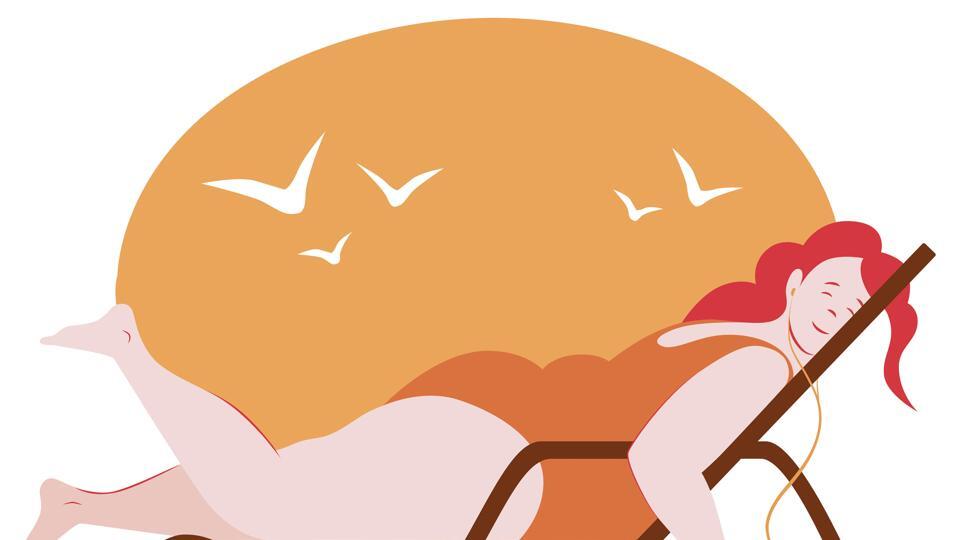
Here’s the science behind your winter blues and what you can do about it
There is no more powerful way to prove our dependence on the sun than realising how many people are hit by lack of sunshine, shorter days and colder weather during winter. It’s real and science calls it Seasonal Affective Disorder (SAD). It is the effect of lack of sunshine, shorter days and colder weather on one’s mental and emotional health. It is a kind of depression and in layman terms is called the winter blues.
What are the symptoms?
Depression, sadness, feeling lonely or uninspired, being low in energy, experiencing fatigue, daytime drowsiness, low motivation levels, a loss of interest in activities, or feelings of guilt and hopelessness, a decreased sex drive and social withdrawal.
What can you do to beat the blues?
If you are fortunate enough to receive sunshine, make good use of the opportunity while it lasts! Even the simple act of waking up to a sunrise and allowing your body to soak in some sunshine has powerful mood-lifting benefits. While we have known this for decades, there is so much fear in people today about the sun and its connection with cancer.
In the field of integrative and lifestyle medicine, we prescribe the sun to our patients and the outcomes of doing this daily are amazing. Better mood, energy and sleep. Yes, the sun and UV rays can be harmful when overdone, which is why it’s important to be mindful of the exposure. Start with as little as 10 minutes and gradually build it up to 15 or 20 minutes and prefer to get the morning or late evening sunshine. Definitely avoid it when the sun is at its peak. That is harsh and can burn your skin.
Besides increasing your Vitamin D3 levels (which plays a role in mood regulation), the sun exposes us to powerful infrared rays that lower inflammation, regulate sleep patterns, elevate the mood by releasing serotonin (the happy hormone) and produce cellular melatonin, which is one of the most powerful antioxidants. Low levels of serotonin and melatonin are associated with every single mood disorder we know today.
What if there is no sun?
If you are living in a cold country where the sun doesn’t shine for days altogether (like Norway or Canada), here’s what you can do.
• SAD lamps and infrared lamps: SAD lamps or light boxes deliver light of therapeutic intensity and mimic sunlight. Another alternative is to use infrared bulbs and lamps. They deliver light that matches the infrared wavelength of the light spectrum. Infrared is scientifically studied to stimulate the release of intracellular melatonin, a hormone that helps regulate the sleep-wake cycle in an individual and a powerful antioxidant that nourishes our body at a cellular level. An exposure to these lamps can also help reduce pain, swelling and inflammation, which is of great help for individuals with arthritis and the flare-ups they might experience as the temperature drops. Infrared typically targets the mitochondria of our cells and stimulates the generation of ATP. More ATP means more energy, which is typically a major shortcoming in winter.
Exposing oneself to a lamp for 30 minutes to a few hours a day can help stimulate a change in the levels of chemicals and hormones within the body that affect mood. If you have a skin condition, cuts, abrasions or wounds, it’s best to avoid the exposure.
• Candles and campfires: Even the thought of sitting next to a campfire/bonfire or a lit candle on a gloomy day feels so soothing. Why? Because they emit natural light that is infrared, which is scientifically known to calm a frazzled and anxious mind. Besides that, it also cuts out the blue light (artificial light) from the environment, thereby regulating our moods, energy and sleep cycles. Of course, you want to make sure the candles are non-toxic.
• Go bright and bold: Use the power of colour therapy to lift your spirits. Just by adding a pop of colour either through a painting, flowers or curtains can give you a mood boost. Try to make your outer environment uplifting, as our surroundings have an impact on our moods.
The sun is life after all, and when its access is limited, it gives us a chance to be grateful for what it provides all of us free of charge and in abundance. Of course, this needs to work in parallel to regular activity as that can boost your endorphins (happy hormones), quality nutrition, and proper sleeping habits. In short, your overall lifestyle.
Luke Coutinho practices in the space of Holistic Nutrition—Integrative & Lifestyle Medicine and is the founder of You Care-All about You by Luke Coutinho
From HT Brunch, December 31, 2022
Follow us on twitter.com/HTBrunch
Connect with us on facebook.com/hindustantimesbrunch


