
 E-Paper



Is RF Microneedling safe for your skin? Know why FDA issued a safety warning on likely side effects of this procedure
The US Food and Drug Administration (FDA) recently issued safety concerns on the use of RF microneedling devices for cosmetic procedures.

 Prefer HTon Google


The US Food and Drug Administration (FDA) has raised serious safety concerns against the use of radiofrequency (RF) microneedling, emphasising that the treatment is a medical procedure, not merely a cosmetic service. It has alerted medical practitioners, healthcare providers, patients, and caregivers of serious complications like burns, scarring, fat loss, disfigurement, and nerve damage associated with certain dermatologic and aesthetic procedures.
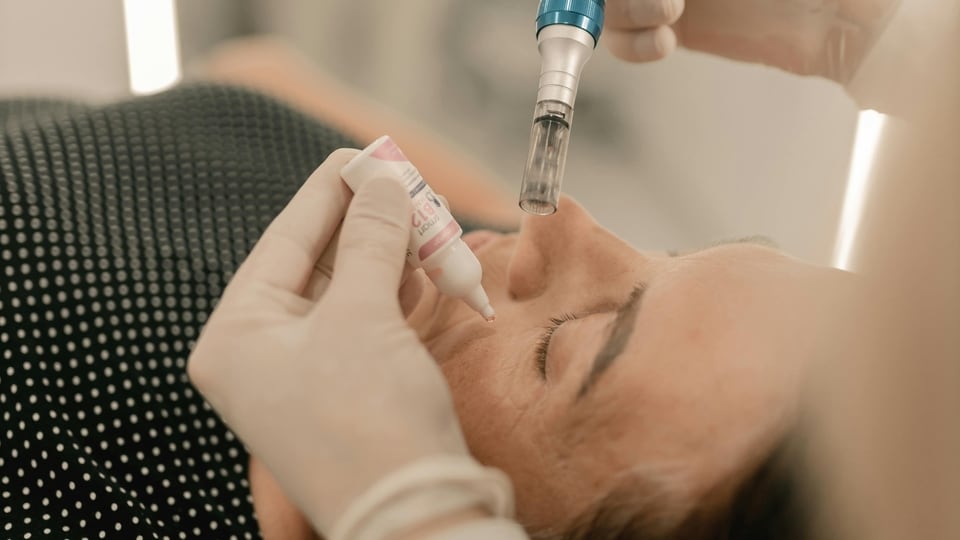

While microneedling procedures have been practiced in the beauty industry for years, FDA's new warning has brought the treatment into spotlight. Let’s unpack what RF microneedling is, why the warning matters, what the risks are, and how you can protect yourself.
What is RF Microneedling?
Radiofrequency Microneedling or RF Microneedling is a procedure where your healthcare provider uses thin needles to make tiny holes in the top layer of your skin. This, in turn, boost more collagen and elastin production.
It combines two technologies: tiny needle electrodes (microneedles) penetrate the skin, and radiofrequency energy is delivered through these needles into the deeper layers of skin. This procedure is said to improve skin texture, reduce wrinkles, treat acne scarring, tighten skin, and tackle skin laxity. Since this procedure affects tissue structure (and not just surface appearance), the FDA considers it a medical procedure when used with RF microneedling devices.
The FDA has reviewed and legally authorized specific microneedling products as medical devices for use in specific areas of the body.
Dermatologist Dr Rinky Kapoor, co-founder and director, The Esthetic Clinics, tells Health Shots: “Radiofrequency (RF) microneedling is generally a safe and effective skin rejuvenation procedure when performed by qualified dermatologists using FDA-approved devices and the correct parameters,"
She also says that complications like burns or scarring typically occur due to improper technique, unregulated devices, or inadequate post-procedure care.
What are microneedling devices?
As per FDA's official site, microneedling devices are instruments with technological features, such as many small needles, tips, or pins on the surface, which are repeatedly inserted and removed into the skin.
These microneedle devices create many small puncture holes in the skin by moving over the skin repeatedly. Some of the microneedling devices are manual, while there are a few that operate by a motor.
What are the potential risks?
There are certain potential risks involved with the microneedling process. These risks include thermal burns, scarring, subcutaneous fat loss, neurologic injury, and more. As per the FDA, side effects may also include redness, itching, peeling, bleeding, crusting and even hyperpigmentation.
Dr Kapoor asserts that patients should ensure that the treatment should be done by an experienced specialist who customises energy settings based on skin type and concern.
“A thorough consultation, patch testing, and adherence to pre- and post-care instructions are essential for safety. When done correctly, RF microneedling can significantly improve texture, scars, and firmness with minimal risk,” Dr Kapoor says.
(Note to readers: This article is for informational purposes only and not a substitute for professional medical advice. Always seek the advice of your doctor with any questions about a medical condition.)
Similar articles for you
Skincare routine for combination skin: A step-by-step guide on how to prep your skin right
How to get rid of dark circles: Skincare tips and remedies to reduce puffy eyes
Snail mucin: Is this Korean skincare ingredient worth the hype? Know its benefits and how to use it
Catch your daily dose of Fashion, Taylor Swift, Health, Festivals, Travel, Relationship, Recipe and all the other Latest Lifestyle News on Hindustan Times Website and APPs.


