
 E-Paper



Gudi Padwa 2024: When is Gudi Padwa? Date, history, significance, celebration & all you need to know about the festival

 Prefer HTon Google


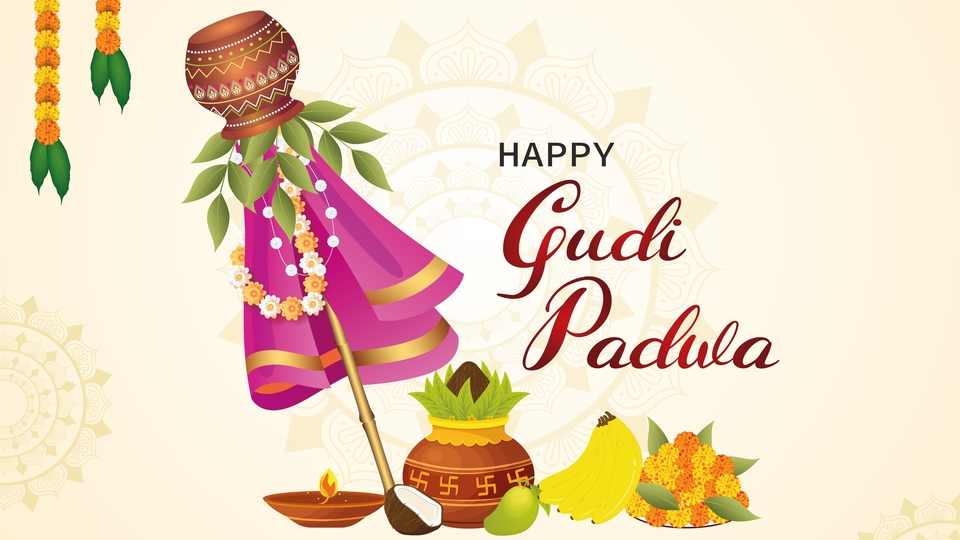
Happy Gudi Padwa: Gudi Padwa marks the beginning of the Marathi New Year and the harvest season in Maharashtra. Know its date, history, significance and more.
Gudi Padwa 2024: Gudi Padwa is celebrated with enthusiasm in Maharashtra. Popularly known as Samvatsara Padvo, Gudi Padwa marks the first day of the new year in Maharashtra. The festival marks the beginning of the Marathi New Year and the harvest season in Maharashtra. The word Gudi means a flag or emblem of the Hindu Lord Brahma, and Padwa means the first day of the phase of the moon. People in the state celebrate Gudi Padwa by decorating their homes, cooking delicious spread at home, and performing special rituals with family members.
(Also Read | Navratri 2024: When does Chaitra Navratri begin? History, significance, celebrations and all you need to know)
Gudi Padwa 2024 Date:
This year, Gudi Padwa or Marathi New Year falls on Tuesday, April 9. According to Drik Panchang, Marathi Shaka Samvat 1946 will start this year. Meanwhile, the Pratipada Tithi begins on April 8 at 11:50 pm and ends on April 9 at 8:30 pm.
Gudi Padwa 2024 History, Significance and Celebrations:
Gudi Padwa signifies the day Lord Brahma created the universe. As per Hindu mythology, Lord Brahma also introduced days, weeks, months and years on this day. Meanwhile, another legend says that King Shalivahana's victory is also celebrated on Gudi Padwa as the Gudi or flag was hoisted by his people when he returned to Paithan.
People in Maharashtra celebrate Gudi Padwa by making Gudi - made by tying a piece of fresh cloth around a 5-foot-long bamboo stick. They also place neem leaves and garlands made of sugar candy on the top. The stick is placed in a silver or bronze pot. Gudi is a symbol of victory and believed to ward off evil and invite prosperity. After placing it, people pray and consume the prasad made of neem leaves.
On the day of Gudi Padwa celebrations, people wake up early, take a bath, clean their homes, and decorate their front gates with beautiful rangoli designs and Gudi. They also worship the Gudi to celebrate the New Year. Lastly, a delicious spread featuring Puran Poli and Shrikhand is enjoyed with family and friends. It is also customary to eat tender leaves of Neem and Mishri on the very first day of Samvatsara.


