
Sign in

5 key foods to reverse insulin resistance and reduce your diabetes risk; recommended by a nutrition expert

To prevent insulin resistance from developing into diabetes, experts recommend prioritizing these five foods to help reverse the condition naturally.

Published on: Jan 16, 2026, 11:20:51 IST
Share
Share via
  • facebook
  • twitter
  • linkedin
  • whatsapp
Copy link
  • copy link

What is insulin resistance? Insulin resistance is a metabolic condition in which your body’s cells stop responding properly to insulin. Simply put, even when there is plenty of sugar in your blood, your cells fail to absorb it, causing blood sugar levels to remain dangerously high instead of being converted into energy. If left untreated, this condition significantly increases the risk of prediabetes and type 2 diabetes. While genetics and general lifestyle factors play a role, your diet is a primary driver in restoring insulin sensitivity and reversing the condition.
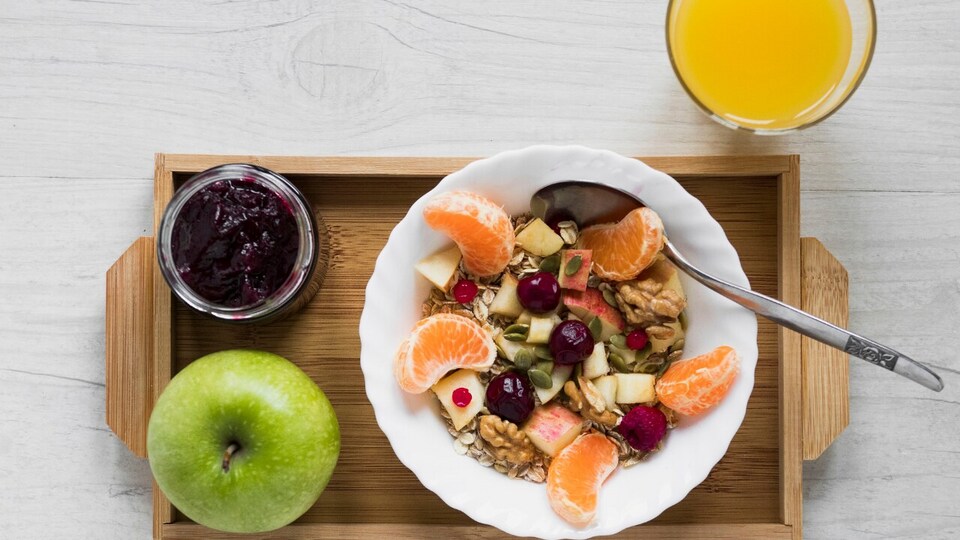
Foods that reverse insulin resistance (Freepik)
Ishika Narang

Ishika Narang is a Multimedia Writer at the Hindustan Times, with over three years of experience in digital journalism, specialising in health, lifestyle, beauty, and consumer-focused reporting. Her primary coverage areas include evidence-based health journalism, preventive care, wellness trends, and affiliate-driven consumer guides tailored for digital audiences. She began her professional journey in digital media, where she developed expertise in multimedia storytelling and platform-optimised editorial strategies. Over the years, she has worked with reputed organisations such as Park+, Jagran, and Wavel.ai, steadily building credibility in health and consumer journalism. Her work reflects a strong progression in editorial responsibility, combining research-backed reporting with audience-focused content formats. At Hindustan Times, she produces in-depth health and lifestyle features, expert-led explainers, and data-informed consumer stories. She also focuses extensively on affiliate articles, creating well-researched buying guides, product comparisons, and recommendation-based content that balances commercial intent with editorial integrity. Alongside writing, she conceptualises and manages social media storytelling, ensuring content is informative, engaging, and optimised for platform-specific consumption. Her subject expertise includes preventive healthcare, nutrition, supplements, women’s health, beauty trends, consumer awareness, and affiliate commerce content. She integrates expert consultations, peer-reviewed research, verified product analysis, and transparent sourcing. Her strengths lie in evidence-based storytelling, simplifying complex information, and producing reader-first affiliate content that prioritises trust and value. Ishika holds a Bachelor of Commerce (B.Com) in Marketing from Guru Gobind Indraprastha University, which enhances her understanding of consumer behaviour, digital commerce, and audience engagement, skills that complement her specialisation in consumer and affiliate journalism. She is committed to ethical reporting, transparent affiliate disclosures, rigorous fact-checking, and maintaining editorial credibility, ensuring every story upholds reader trust and journalistic standards.

Read moreRead less

Top 5 foods that can reverse insulin resistance

Deepali Sharma, clinical nutritionist at the CK Birla Hospital, tells Health Shots: "Proper meal timing, avoiding late-night meals, and maintaining regular meal intervals further help improve insulin sensitivity."

Leafy green vegetables (spinach, fenugreek, kale)

As per the nutritionist, the intake of green leafy vegetables is linked to reducing the risk of diabetes and also lowering diabetes levels. It is advised to eat them at the beginning of a meal, before consuming carbohydrates, to manage the insulin resistance and also lower the blood sugar spikes.

Whole grains (oats, brown rice, millets)

The nutritionist says whole grains are a rich source of dietary fibre, resistant starch, magnesium, and polyphenols; these are the compounds that improve the insulin signalling (the central regulator of metabolism) and slow the absorption of glucose. The intake of whole grains leads to a lower glycaemic response.

As per PubMed Central, consuming whole grains earlier in the day, especially at breakfast or lunch, may provide more benefit for glycemic control and day-long glucose stability because the body’s metabolic response is generally better in the morning.

Nuts and seeds (almonds, walnuts, flaxseeds, chia seeds)

Higher nut consumption may have beneficial effects on diabetes prevention and also its management. In particular, some but not all large studies have found that higher consumption of total nuts, walnuts, and peanuts was significantly associated with a lower risk of Type 2 Diabetes. But there are some limitations; specific recommendations related to nuts have been limited. As per the journal MDPI, these are nutrient-rich foods that contain healthy monosaturated and polyunsaturated fatty acid profiles, protein, soluble fiber, insoluble fiber, vitamins K, folate, and thiamine; minerals such as magnesium, copper, potassium, and selenium; and substances such as xanthophyll carotenoids, antioxidants, and phytosterol compounds, with recognised benefits to human health, and also lower the risk of diabetes.

According to the nutritionist, consuming almonds at snack time had a greater reduction in the sensation of hunger and serum glucose concentrations.

Fatty fish (salmon, sardines, mackerel)

Fatty fish is rich in omega-3 fatty acids, which are found in fatty fish and may reduce chronic low-grade inflammation (a key contributor to insulin resistance, says the nutritionist). Including fatty fish as a part of the main meal helps. However, if you are on blood-thinning medication or have chronic kidney disease, you must avoid fatty fish or consult a doctor before its consumption.

Berries (blueberries, strawberries, Indian berries like jamun)

As per the nutritionist, berries are high in antioxidants and fibre, which help reduce oxidative stress and improve the body’s response to insulin. Berries are ideal as part of breakfast, smoothies, or post-meal desserts in controlled portions.

Why food alone is not enough?

While diet is important, it cannot reverse insulin resistance on its own. A comprehensive approach is necessary. Regular physical activity, eating a healthy diet, getting enough sleep, and managing stress all help to improve insulin sensitivity. A sedentary lifestyle, insufficient sleep, and chronic stress can all negate the benefits of even the healthiest diet. In certain cases, medical supervision and treatment may be required.

(Note to readers: This article is for informational purposes only and not a substitute for professional medical advice. Always seek the advice of your doctor with any questions about a medical condition.)

  • Ishika Narang
    ABOUT THE AUTHOR
    Ishika Narang

    Ishika Narang is a Multimedia Writer at the Hindustan Times, with over three years of experience in digital journalism, specialising in health, lifestyle, beauty, and consumer-focused reporting. Her primary coverage areas include evidence-based health journalism, preventive care, wellness trends, and affiliate-driven consumer guides tailored for digital audiences. She began her professional journey in digital media, where she developed expertise in multimedia storytelling and platform-optimised editorial strategies. Over the years, she has worked with reputed organisations such as Park+, Jagran, and Wavel.ai, steadily building credibility in health and consumer journalism. Her work reflects a strong progression in editorial responsibility, combining research-backed reporting with audience-focused content formats. At Hindustan Times, she produces in-depth health and lifestyle features, expert-led explainers, and data-informed consumer stories. She also focuses extensively on affiliate articles, creating well-researched buying guides, product comparisons, and recommendation-based content that balances commercial intent with editorial integrity. Alongside writing, she conceptualises and manages social media storytelling, ensuring content is informative, engaging, and optimised for platform-specific consumption. Her subject expertise includes preventive healthcare, nutrition, supplements, women’s health, beauty trends, consumer awareness, and affiliate commerce content. She integrates expert consultations, peer-reviewed research, verified product analysis, and transparent sourcing. Her strengths lie in evidence-based storytelling, simplifying complex information, and producing reader-first affiliate content that prioritises trust and value. Ishika holds a Bachelor of Commerce (B.Com) in Marketing from Guru Gobind Indraprastha University, which enhances her understanding of consumer behaviour, digital commerce, and audience engagement, skills that complement her specialisation in consumer and affiliate journalism. She is committed to ethical reporting, transparent affiliate disclosures, rigorous fact-checking, and maintaining editorial credibility, ensuring every story upholds reader trust and journalistic standards.Read More

Catch every big hit, every wicket with Crick-it, a one stop destination for Live Scores, Match Stats, Quizzes, Polls & much more. Explore now!.

Catch your daily dose of Fashion, Taylor Swift, Health, Festivals, Travel, Relationship, Recipe and all the other Latest Lifestyle News on Hindustan Times Website and APPs.