
 E-Paper



Ancient Wisdom Part 35: How to eat Kodo millets for weight loss, lowering cholesterol; know all benefits

 Prefer HTon Google


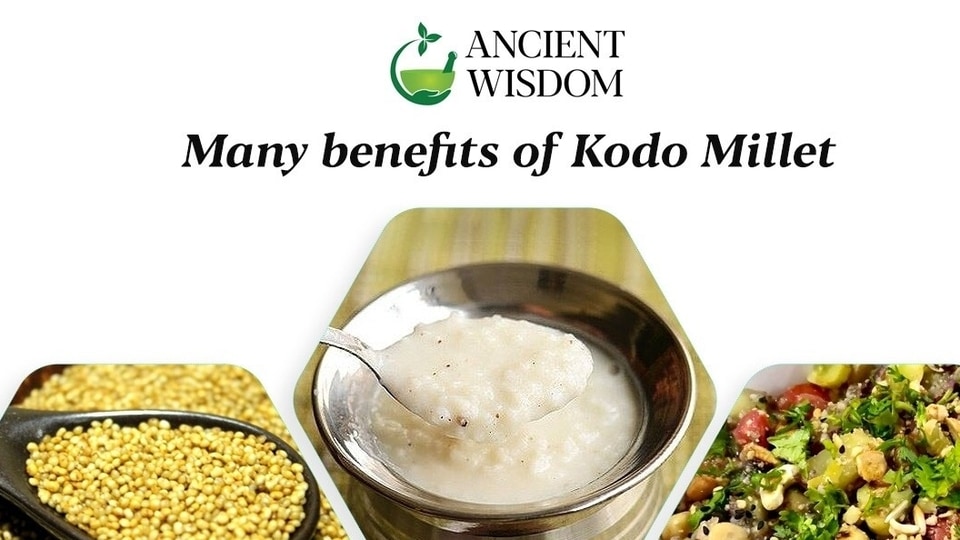
Low-calorie, low-glycaemic and antioxidant-rich, Kodo millets can help control sugar levels, manage weight and lower cholesterol.
Note to readers: Ancient Wisdom is a series of guides that shines a light on age-old wisdom that has helped people for generations with time-honoured wellness solutions to everyday fitness problems, persistent health issues and stress management, among others. Through this series, we try to provide contemporary solutions to your health worries with traditional insights.
With millets in spotlight across the world, their different varieties, nutritional benefits and ways to consume them have gained popular interest. Kodo millet, an ancient grain, has been making its way to the contemporary kitchen in the form of soups, flatbreads, porridge, cookies, salads and other snacks. Originated in tropical Africa, Kodo millet also known as cow grass, rice grass, ditch millet, and Native Paspalum has been in use in India for 3,000 years. Millet consumption in the country dates back to thousands of years. No wonder the grains find mention in various ancient texts such as Yajurveda and other scriptures. As the nutritional benefits of millets are recognised world-over, the trend of its increased consumption is seen in India and beyond. (Also read | Ancient Wisdom Part 34: Boosting immunity to lowering cholesterol, many benefits of Guduchi or Giloy)
A drought-resistant and environment-friendly grain, Kodo millet is a nutritional powerfulhouse with high amounts of fibre, good quality protein and a variety of vitamins and minerals. A low-glycaemic food and antioxidant rich, Kodo is recommended for people with diabetes. As per nutritionvalue.org, Kodo millets with its low-fat content is an ideal weight loss food. A good source of dietary fibre, Kodo helps you feel full for longer and promotes digestive health. Besides, they also are a good source of B vitamins such as niacin, thiamine, and riboflavin. Kodo is also suitable for people who are gluten-intolerant or have celiac disease.
ALSO READ
Ancient Wisdom Part 29: 7 benefits of consuming bajra in winters, ways to add the millet to your diet
Ancient Wisdom Part 30: Chamomile tea can ease pain and fatigue, aid sleep; know all benefits
Ancient Wisdom Part 31: Longevity to immunity; many benefits of Chyawanprash, the age-old wonder
Ancient Wisdom Part 33: Eating sesame seeds can lower cholesterol, manage diabetes; know all benefits
Whether you are aiming to lose weight, manage diabetes, or looking for a gluten-friendly option, Kodo is your go-to grain. It is also a vrat-friendly grain and can be eaten during Navratri, Ekadashi and similar fasts.
"In the realm of nutrition, Kodo millets stand out as a powerhouse of benefits. From their ancient roots to contemporary kitchens, these grains offer a wealth of advantages. Exploring their historical consumption, diverse culinary uses, and considerations for specific individuals unveils the true essence of Kodo millets in fostering a healthier lifestyle," says Dietician, Vidhi Chawla, founder of Fisico Diet and Aesthetic Clinic.
ALSO READ
Ancient Wisdom Part 25: Amazing health benefits of black pepper
Ancient Wisdom Part 26: Mind-blowing benefits of deep breathing
Ancient Wisom Part 27: Eat dates soaked in ghee for these wonderful benefits
Ancient Wisom Part 28: Why jaggery is the perfect winter superfood; best ways to consume it
Chawla also share benefits, how people consumed these grains in ancient times and who should skip the millet.
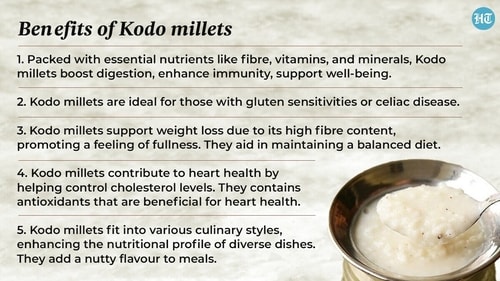
Benefits of Kodo millets
1. Nutrient-rich goodness: Packed with essential nutrients like fibre, vitamins, and minerals, Kodo millets also boost digestion, enhance immunity, and support overall well-being.
2. Gluten-free marvel: Kodo millets are ideal for those with gluten sensitivities or celiac disease and offer a safe and diverse grain option.
3. Weight management ally: Kodo millets support weight loss due to its high fibre content, promoting a feeling of fullness. They aid in maintaining a healthy and balanced diet.
4. Heart-healthy option: Kodo millets contribute to heart health by helping control cholesterol levels. They contain antioxidants that are beneficial for cardiovascular well-being.
5. Versatile and adaptable: Kodo millets fit into various culinary styles, enhancing the nutritional profile of diverse dishes. They add a nutty flavour to meals, making them not only healthy but also delicious.
ALSO READ
Ancient Wisdom Part 21: Lowering blood pressure to easing digestion; many benefits of cardamom
Ancient Wisdom Part 22: Saffron or kesar can improve heart health, boost mood; all benefits
Ancient Wisdom Part 23: 5 ancient spices for weight loss; how to add them to your diet
Ancient Wisdom Part 24: Weight loss to digestion; amazing benefits of Triphala
How Kodo millets were consumed in ancient times
In ancient civilizations, Kodo millets were a dietary staple. Communities across diverse regions recognised their adaptability and resilience in various climates. Chawla explains how these grains found their way into ancient kitchens:
Versatile culinary use: Ancient cultures embraced Kodo millets for their versatility. These grains were transformed into nourishing porridges, hearty stews, and wholesome flatbreads. The adaptability of Kodo millets made them an indispensable part of daily meals.
Reliable food source: Kodo millets were revered for their ability to thrive in different environmental conditions. This reliability made them a consistent and accessible food source for communities, ensuring sustenance even in challenging times.
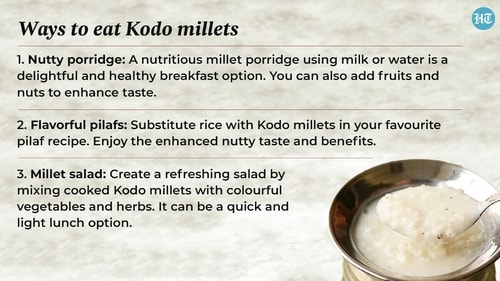
Ways to eat Kodo millets
1. Nutty porridge: Begin your day with a nutritious millet porridge using milk or water. Add fruits and nuts for a delightful and healthy breakfast.
2. Flavourful pilafs: Substitute rice with Kodo millets in your favourite pilaf recipe. Enjoy the enhanced nutty taste and nutritional benefits.
3. Millet salad: Create a refreshing salad by mixing cooked Kodo millets with colourful vegetables and herbs. Drizzle with a zesty dressing for a quick and light lunch option.
ALSO READ
Ancient Wisdom Part 17: Lowering cholesterol to weight loss; amazing benefits of chia seeds
Ancient Wisdom Part 18: How to lose weight with jowar; ways to add to diet and wonderful health benefits
Ancient Wisdom Part 19: Weight loss to boosting heart health; many benefits of honey
Ancient Wisdom Part 20: Weight loss to cholesterol control; amazing benefits of cumin seeds
Who shouldn't have Kodo millet
1. Potassium sensitivity: It is important for individuals with kidney issues or potassium sensitivity to exercise caution. Kodo millets contain potassium, and excess intake may not be advisable.
2. Consultation advised: Before incorporating Kodo millets into the diet, especially for those with health concerns, seeking advice from a healthcare professional is wise. Individual health needs should be considered for a tailored approach.
Next in Series
Did you enjoy reading Part 35 of our series on Ancient Wisdom? The next which discusses benefits of basil seeds be out on January 5. Stay tuned.


