
 E-Paper



Are young people opting for hair transplants too early? Hair restoration expert explains if it is the right decision

 Prefer HTon Google


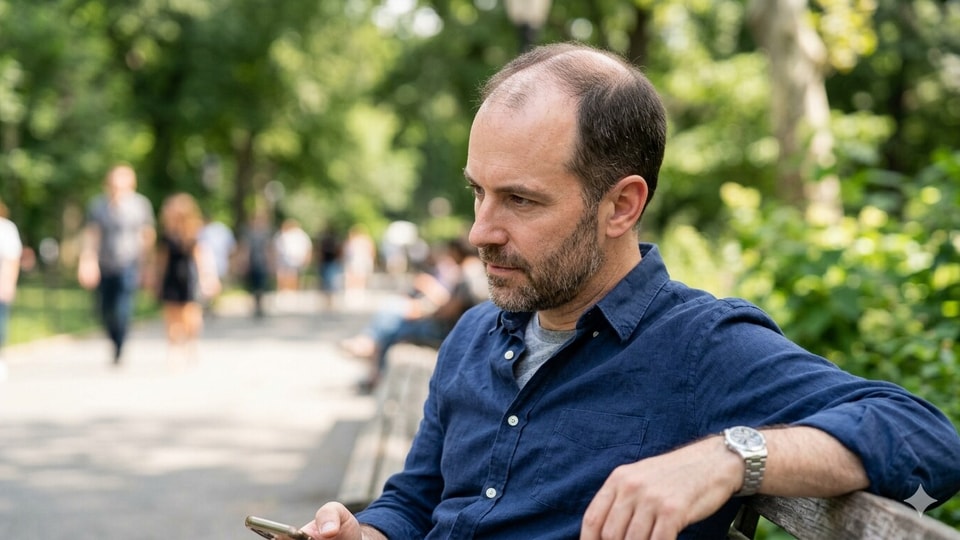
More and more people in India are opting for early hair transplants as research notes that 63 percent of Indian men face hair loss of some degree.
Hair loss is no longer a concern confined to middle age – it’s increasingly affecting younger individuals across India. The country carries a substantial burden, with findings published in the Indian Journal of Clinical and Experimental Dermatology suggesting that nearly 63 percent of Indian men experience some degree of hair loss, often triggered early by a mix of genetic predisposition and modern lifestyle factors. At the centre of this trend is androgenetic alopecia – the most common form of hair loss – which is progressive in nature and driven by hormonal influences alongside inherited traits.
In conversation with HT Lifestyle, Dr Nandini Dadu – aesthetic physician, hair restoration expert and GLP coach at Dadu Medical Centre, Rajouri Garden and Vasant Vihar, New Delhi – said, “Today, in India, I am seeing a clear shift – patients in their early 20s, sometimes even late teens, walking into my clinics seeking permanent solutions like hair transplants. While this rising awareness is encouraging, it also raises an important question: are younger patients opting for hair transplants too early? I see this not just as a medical concern, but as a reflection of changing confidence levels and awareness among young individuals.”
Why are younger patients seeking hair transplants?
- Early onset of hair loss
- High social and digital visibility
- Increased awareness of advanced treatments
- Desire for quick, permanent results
According to Dr Dadu, these converging factors are making patients far more aware – and concerned – about hair loss than before. In Indian populations, hair thinning is now beginning at a noticeably younger age, driven by a combination of genetic predisposition, chronic stress, lifestyle habits, and environmental exposure. This earlier onset often fuels anxiety, prompting younger individuals to actively seek quicker, more visible solutions.
She notes, “In today’s image-conscious world, hair loss can deeply impact self-esteem, especially in younger patients. Wanting to correct it early is completely understandable.”
Is opting early the right decision?
The hair restoration expert highlights that it is not always the right decision. It may only be appropriate if:
- Hair loss is progressive but has been properly assessed.
- The donor area is adequate and long-term planning is considered.
- Medical management has been tried, to stabilise the condition.
- The pattern and stability of hair loss have been carefully evaluated.
Hair transplant is a highly effective and permanent solution – but timing matters. In younger patients, hair loss is often still evolving. Without proper evaluation, there is a risk of needing multiple procedures later.
Dr Dadu explains, “A transplant is not just about filling today’s gaps – it is about planning for how your hair will look 10 to 20 years down the line. This is why careful diagnosis, including scalp analysis and understanding family history, plays a critical role before recommending surgery.”

When is a hair transplant appropriate in younger patients?
- When the hair loss pattern is clearly established.
- When medical treatments have stabilised progression.
- When expectations are realistic.
- When performed by an experienced surgeon.
Dr Dadu notes, “Modern techniques like FUE (Follicular Unit Extraction) have made hair transplants safer, more precise, and natural-looking. With the right candidate selection, even younger patients can achieve excellent outcomes. Age alone is not the deciding factor – stability, pattern, and planning are far more important.”
A positive shift in hair restoration
The rising demand for hair transplants in India also signals a meaningful shift in mindset – people are moving beyond quick, temporary fixes and opting for scientifically grounded, long-term solutions. With advancements in technology and increasingly personalised treatment protocols, results today appear far more natural, precise, and dependable than ever before. At the same time, growing awareness around combining medical therapies with surgical procedures is further enhancing outcomes, helping ensure not just visible improvement but sustained, long-lasting results.
Hair transplants are not about rushing into a solution – they are about choosing the right solution at the right time. Dr Dadu concludes, “Early consultation is always beneficial, but early surgery is not always necessary. With the right guidance, we can create a long-term plan that restores not just hair, but confidence in a natural and sustainable way.”
Note to readers: This article is for informational purposes only and not a substitute for professional medical advice. Always seek the advice of your doctor with any questions about a medical condition.


Catch your daily dose of Fashion, Taylor Swift, Health, Festivals, Travel, Relationship, Recipe and all the other Latest Lifestyle News on Hindustan Times Website and APPs.


