
 E-Paper



Can cooking a meal from scratch reduce your risk of dementia? Doctor explains how this ‘brain workout’ helps

 Prefer HTon Google


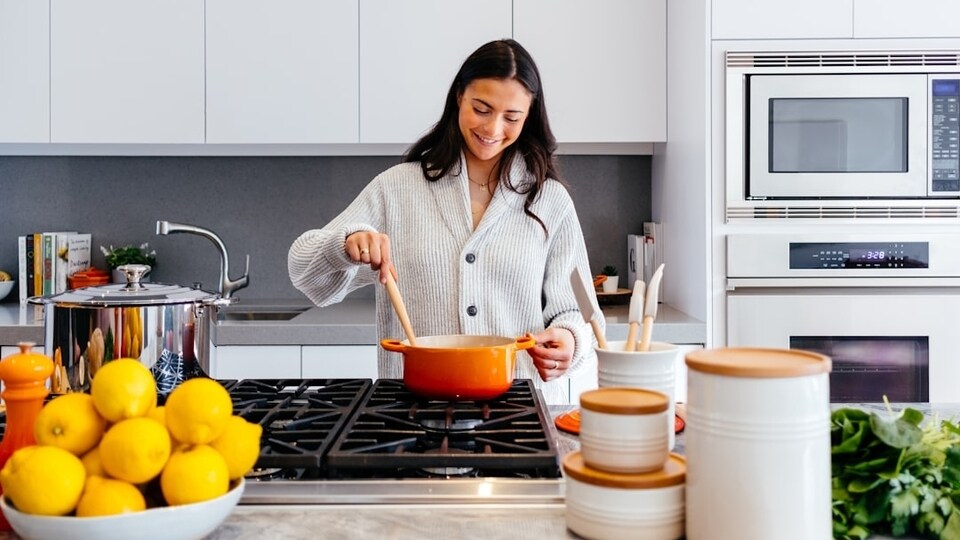
A new study has found that older adults who cook their own meals have a lower risk of developing dementia. Dr Sood breaks down this association.
When it comes to protecting brain health as we age, factors such as good nutrition, regular exercise, quality sleep, and meaningful social connections are often highlighted as essential. However, cognitive health is also shaped by the small, everyday activities that keep the brain engaged and challenged. Tasks that require planning, decision-making, coordination, and attention – even seemingly routine ones – can help stimulate the mind and may contribute to reducing the risk of cognitive decline over time. Cooking is one such activity that combines many of these elements into a regular daily habit.
Dr Kunal Sood, an anaesthesiologist and interventional pain medicine physician, is breaking down the connection between cooking your own meals and dementia risk. In an Instagram video shared on May 31, the physician explains how the process of preparing food engages multiple areas of the brain, making it a valuable form of mental exercise that may help support cognitive health and reduce the risk of cognitive decline later in life.
The research
According to a new study, preparing a meal from scratch just once a week is associated with a 30 percent lower risk of dementia among older adults, suggesting that seniors who cook for themselves may be less likely to develop the condition. Dr Sood explains that researchers tracked a large group of adults aged 65 and older in Japan over a six-year period and found this notable association. However, the potential benefit appears to extend beyond the food itself.
The physician notes, “A new study found that older adults who cook their own meals more often had a lower risk of developing dementia. And the reason may be more interesting than people think. Researchers followed nearly 11,000 adults over the age of 65 in Japan for about 6 years and found that people who cooked at least once a week were less likely to develop dementia over time. But this probably isn't just about the food itself.”
Cooking as a “brain workout”
Dr Sood highlights that cooking can be a surprisingly powerful “brain workout.” Far more than simply chopping ingredients and stirring a pot, it engages multiple cognitive functions at once, including memory, planning, attention, sequencing, multitasking, and fine motor coordination. From following a recipe and managing timings to making decisions and adapting on the fly, cooking challenges the brain to stay active and engaged throughout the process.
The physician explains, “Cooking is actually a pretty intense brain workout when you think about it. It uses memory, planning, attention, multitasking, sequencing, and fine motor coordination all at the same time. You're consistently making decisions, following steps, timing things, and adapting as you go.”
A healthier lifestyle
Moreover, the physician adds that people who regularly cook for themselves often tend to lead healthier lifestyles overall. They are generally more physically active, make better dietary choices, maintain daily routines, and remain more engaged – all factors that are linked to better long-term health and cognitive function.
Dr Sood notes, “There's also likely a lifestyle effect layered into this. People who cook more often may also move around more, eat differently, maintain routines, and stay more socially and mentally engaged.”
He concludes, “This study also does not prove cooking directly prevents dementia because it was observational, meaning it shows an association rather than direct causation. But the bigger takeaway is really interesting: Activities that keep the brain active and engaged in meaningful daily routines may help support long-term brain health over time.”
Note to readers: This article is for informational purposes only and not a substitute for professional medical advice. It is based on user-generated content from social media. HT.com has not independently verified the claims and does not endorse them.


Catch your daily dose of Fashion, Taylor Swift, Health, Festivals, Travel, Relationship, Recipe and all the other Latest Lifestyle News on Hindustan Times Website and APPs.


