
 E-Paper



Can something as simple as wearing gajra improve mental health? Bengaluru psychiatrist explains psychological reality

 Prefer HTon Google


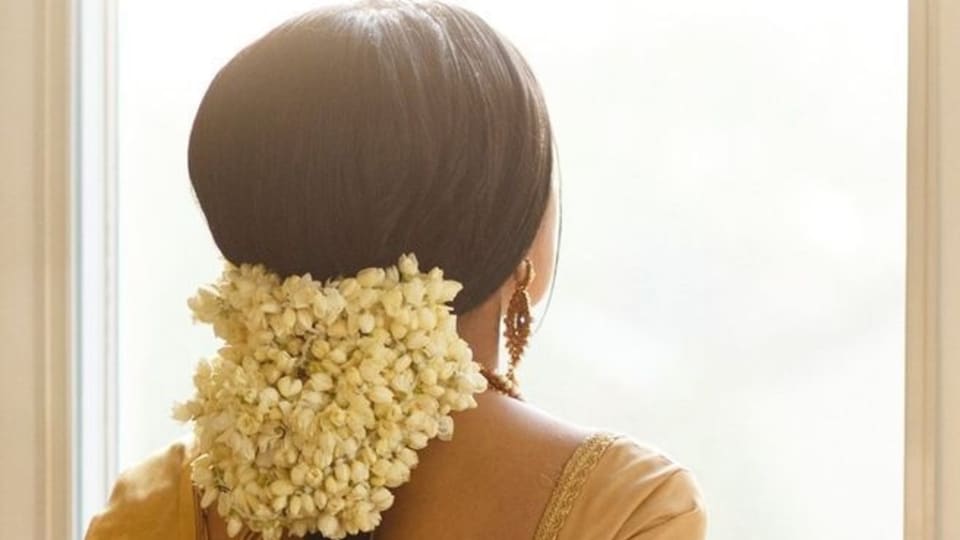
A content creator said ‘bring back gajras’. We asked a Bengaluru psychiatrist: does jasmine in your hair actually help mental health? Here’s what she said.
In an August 2 Instagram post, yoga instructor and content creator Manisha Yadav advocated for the humble gajra —a traditional garland of fresh flowers, typically jasmine, worn in the hair. "Don’t you think we should bring gajras back?" she posted. Also read | Australian psychologist shares radical self-talk hack for better mental health in 2026
Manisha added, "Every traditional practice that the Indian women of today look down upon as orthodox had significant Ayurvedic or yogic science behind it. This one is gajra, based on the effect of fragrance on mental health. Let’s not wait for the West to legitimise this by giving a fancy English name. Let’s start owning these practices again."
Her post ignited a familiar debate surrounding traditional rituals versus modern science. But can pinning a string of jasmine flowers into your hair genuinely boost your psychological well-being? According to a medical expert, the answer requires nuance: the practice holds legitimate sensory benefits, but it is no magic bullet.
How fragrance affects mood and memory
In an interview with HT Lifestyle, Dr Sharadhi C, a consultant psychiatrist at Aster CMI Hospital in Bengaluru, explained that while the claims shouldn't be dismissed, they must be viewed with realistic expectations. "The idea that wearing a gajra can improve mental health has some scientific basis, but the claims should be viewed with balance," she said.
The psychological connection relies heavily on how our brains process scents. "Fragrance can influence mood through the brain's olfactory system, which is closely connected to areas involved in emotions and memory," Dr Sharadhi said, adding, "The pleasant scent of flowers such as jasmine has been associated in some studies with feelings of relaxation, reduced stress, and improved emotional well-being. Similarly, engaging in cultural or personal rituals that evoke positive memories can provide a sense of comfort and belonging, which may indirectly support mental health."
However, the line between a comforting sensory ritual and clinical mental healthcare remains firm. "There is no strong scientific evidence to suggest that wearing a gajra alone can prevent or treat anxiety, depression, or other psychiatric conditions," cautioned Dr Sharadhi.
"Mental health is shaped by several factors, including genetics, lifestyle, sleep, physical health, relationships, and stress levels," she said, adding, "While traditional practices that promote relaxation and mindfulness can certainly be part of a healthy routine, they should not be viewed as substitutes for evidence-based mental healthcare when someone is experiencing persistent symptoms. If a person has ongoing low mood, excessive anxiety, panic attacks, or difficulty functioning in daily life, professional assessment and treatment remain essential."
Evidence-backed habits for better mental health
For those seeking to build meaningful emotional resilience, Dr Sharadhi highlighted methods backed by rigorous data: "For improving mental well-being, stronger evidence supports maintaining regular physical activity, getting adequate sleep, practising mindfulness or meditation, spending time in nature, staying socially connected, and seeking timely help from a mental health professional when needed."
She suggested there is plenty of room for tradition alongside modern medicine, provided expectations are kept in check. "If wearing a gajra or using natural floral fragrances brings an individual joy or helps them feel calm, there is no harm in including it as a personal wellness ritual," concluded Dr Sharadhi, adding, "It can complement, but should not replace, scientifically proven approaches to mental health care."
Note to readers: This article is for informational purposes only and not a substitute for professional medical advice. Always seek the advice of your doctor with any questions about a medical condition.


Catch your daily dose of Fashion, Taylor Swift, Health, Festivals, Travel, Relationship, Recipe and all the other Latest Lifestyle News on Hindustan Times Website and APPs.


