
 E-Paper



Cardiologist suggests a rare sugar alternative that ‘doesn’t spike blood sugar, insulin levels and reduces body fat’

 Prefer HTon Google


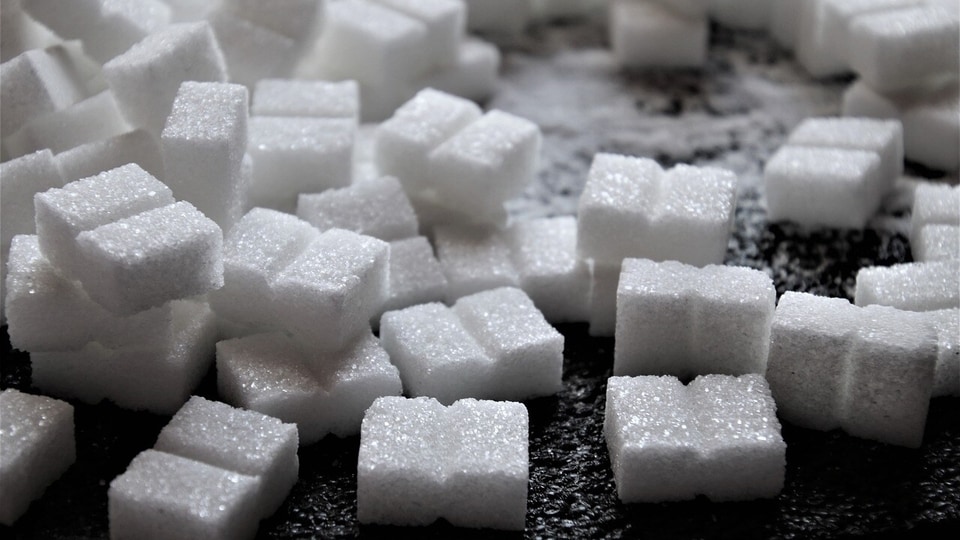
According to a cardiologist, allulose - a sugar alternative - offers a sweet taste without the insulin spikes associated with regular sugar. Know its benefits.
Cardiologist and functional medicine expert Dr Alok Chopra often educates his followers about heart health and shares tips to boost their overall wellbeing. In an Instagram post shared on April 11, Dr Chopra suggested a rare alternative to sugar that can be beneficial for those with spiked blood sugar or insulin levels. Let's find out what it is.
Also Read | Harvard gut doctor shares surprising health benefits of dark chocolate: ‘Can lower diabetes risk by 21%’
A healthy alternative to sugar
According to Dr Chopra, allulose is a great alternative to sugar. He wrote, “Allulose is a rare sugar alternative that doesn’t spike blood sugar or insulin levels, making it a promising option for those managing diabetes or insulin resistance.” Additionally, it tastes similar to sugar, 70 percent as sweet. “70 percent of it is absorbed in blood and passes out in urine,” he added.
Benefits of allulose
Let's find out its benefits, according to the cardiologist:
- Low in Calories: At just 0.2-0.4 calories per gram, it packs only 1/10th the calories of sugar.
- Blood Sugar Friendly: With a low glycemic index, it improves insulin sensitivity and reduces post-meal glucose spikes.
- Boosts Metabolism and Burns Fat: It helps increase fat burning, reduces body fat, and enhances feelings of fullness.
- Protects Organs and Fights Inflammation: Safe for the liver, kidneys, and fat tissues, while also helping reduce inflammation and oxidative stress.
- Supports Energy and Performance: From boosting mitochondrial function to improving endurance and protecting against diabetic nephropathy, it's a smart fuel for your cells.
Where does allulose come from?
The cardiologist shared two sources where allulose is found:
- Natural Dietary Sources: Allulose is found in small amounts in foods like wheat, figs, raisins, molasses, maple syrup, jackfruit, and kiwi - and even in caramel, juices, and coffee
- Commercial Production: Since natural amounts are minimal, most allulose is made by enzymatically converting fructose (from corn or sugar beets), making it widely available and affordable as a sugar alternative.
How does it compare to other sugar substitutes?
Dr Chopra also made comparisons with other popular sugar substitutes. Here's what the cardiologist said:
- Stevia and Truvia: Often mixed with artificial sweeteners. Long-term use can increase cravings, may lead to weight gain, cause gut microbiome imbalance, and insulin resistance.
- Monk Fruit Extract, Coconut Sugar, Date Sugar, Erythritol, and Xylitol: These are more natural alternatives, but they can have varying glycemic impacts, aftertastes, or cause digestive discomfort in some people.
Why does allulose stand out?
According to the cardiologist, allulose is naturally low in calories, with a sugar-like taste and minimal aftertaste. He added, “It doesn't spike insulin, has no known gut side effects in moderate doses, and delivers the closest experience to sugar without the drawbacks. Studies show no toxicity even with 5-15g daily for 12 months.”
In the end, the cardiologist also warned that while allulose is approved in many countries, including the US, it’s currently banned in Canada due to concerns around its long-term use, though no definitive harm has been proven yet. “Always use with awareness and moderation,” he added.
Note to readers: This article is for informational purposes only and not a substitute for professional medical advice. Always seek the advice of your doctor with any questions about a medical condition.


Catch your daily dose of Fashion, Taylor Swift, Health, Festivals, Travel, Relationship, Recipe and all the other Latest Lifestyle News on Hindustan Times Website and APPs.


