
 E-Paper



Cardiologist warns 'extreme heat can significantly elevate risk of heart attack': Know who is most at risk

 Prefer HTon Google



The cardiologist said patients with heart failure face a high risk during long periods of heat, ‘especially when nighttime temperatures stay high’.
Dr Bimal Chhajer, a cardiologist specialising in non-invasive cardiology, wrote a blog titled 'Heat waves increase heart attack risk' on his website, Saaol.com, on May 15, 2025. He noted that many people think that cold weather can stress the heart, but heat poses similar dangers. Also read | Shefali Jariwala death at 42: Cardiologist calls ‘heart attacks in women deadlier’; 6 lifestyle changes to make today
How heat impacts the cardiovascular system
According to the cardiologist, heat stroke is a serious condition with symptoms that can sometimes mimic those of a heart attack, and therefore, it is important to know the differences between heat stroke and a heart attack.
A heatwave is a long period of very hot weather and it usually lasts for several days and often comes with high humidity, he said, adding, “Due to climate change, extreme weather events are becoming more frequent, severe, and prolonged. This not only heightens the risk of heat stroke but also increases the likelihood of heart attacks. Since the symptoms of heat stroke and heart attacks can be similar, early recognition of health issues is essential. Taking preventive measures is vital for safety during a heatwave.”
Dr Chhajer said that extreme heat puts extra stress on the heart, which can cause dehydration, electrolyte imbalances, and high blood pressure. “All of these are known risk factors for heart attacks. Vulnerable populations, such as seniors and individuals with pre-existing heart conditions, are particularly at risk,” he said.
According to Dr Chhajer, here’s how heat impacts the cardiovascular system:
⦿ Dehydration strains the heart: “Exposure to heat results in fluid loss through sweating. As dehydration occurs, blood volume decreases, causing the heart to work harder to circulate blood. This can diminish oxygen delivery to vital organs and increase the risk of blood clots. For individuals with coronary artery disease, this added stress may trigger a heart attack,” he said.
⦿ Increased blood viscosity: “High temperatures can lead to more concentrated (viscous) blood, raising the likelihood of clot formation. These clots can obstruct arteries and result in a myocardial infarction (heart attack),” the cardiologist added.
⦿ Heat-induced electrolyte imbalance: According to Dr Chhajer, “Prolonged sweating depletes essential electrolytes such as sodium and potassium, which are crucial for maintaining a stable heart rhythm. An imbalance can lead to arrhythmias, potentially escalating into a heart attack, particularly in at-risk individuals.”
⦿ Stress response: He added that heat acts as a physiological stressor, prompting the release of stress hormones like adrenaline and cortisol. “These hormones increase heart rate and blood pressure. Chronic or repeated exposure to such stress can damage arteries and exacerbate cardiovascular conditions,” Dr Chhajer shared.
Who is most at risk?
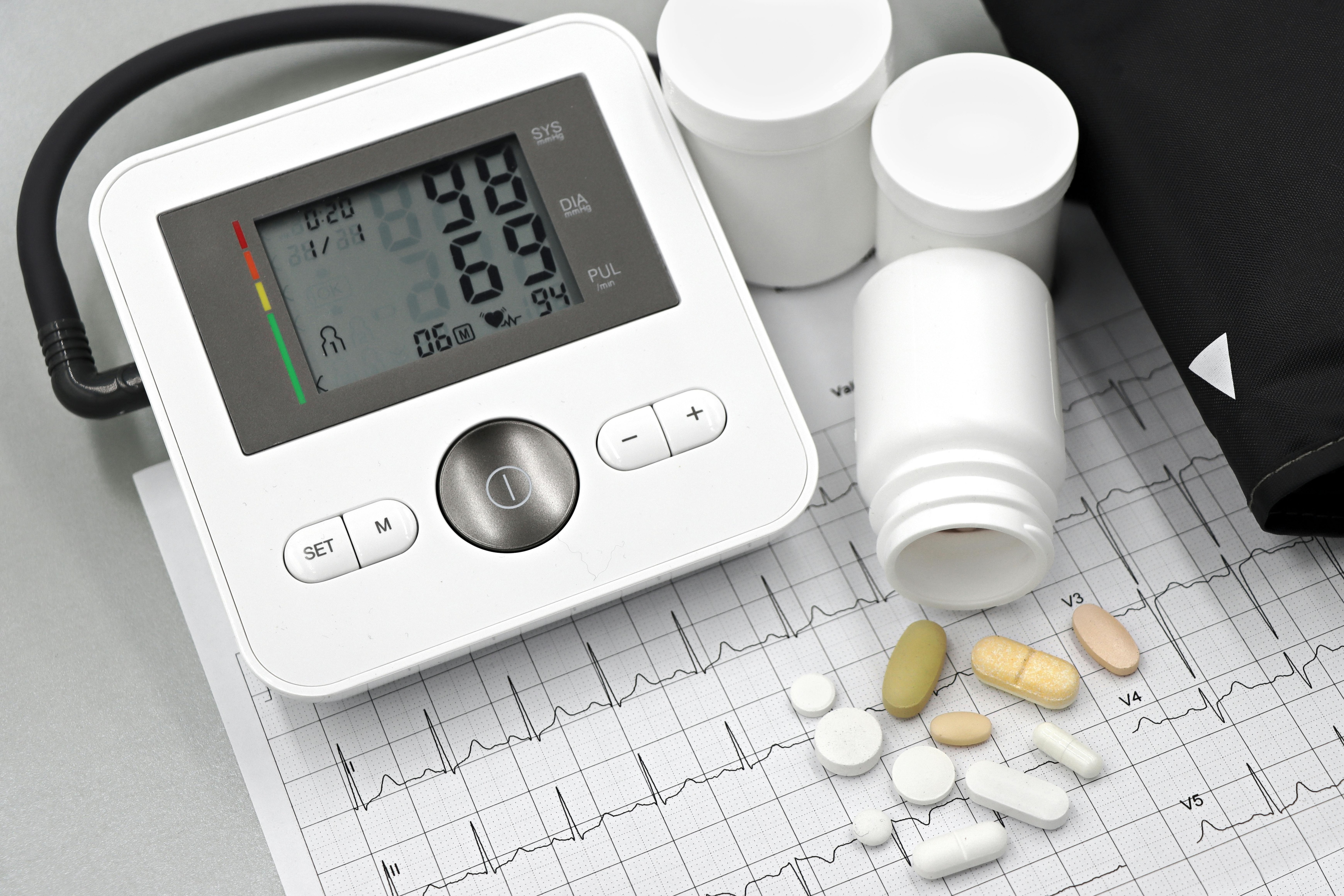
Dr Chhajer said that certain groups are particularly vulnerable to heart issues related to heat wave. “Older adults, especially those over 65, may have a diminished ability to regulate body temperature and maintain hydration. People with heart problems, like heart failure, coronary artery disease, or high blood pressure, have higher risks. Their hearts are already under stress. Some research suggests that women may be more susceptible to heat-related cardiac events,” Dr Chhajer said.
He added, “Additionally, individuals in tropical or economically disadvantaged areas often lack access to cooling systems and healthcare, further increasing their risk. Urban populations face more risk from the ‘urban heat island’ effect. This happens because cities hold more heat than rural areas.”
Prevention tips
To ensure safety, Dr Chhajer said you should prioritise hydration — 'even if you do not feel thirsty'. He added, “Avoid outdoor activities and strenuous exertion during peak heat hours (typically midday to late afternoon). Utilize air conditioning or fans to maintain a cool indoor environment. Individuals with heart conditions should monitor their blood pressure and heart rate more frequently. Be vigilant for warning signs such as chest pain, dizziness, or difficulty breathing. If you experience these symptoms, seek medical assistance promptly.”
Note to readers: This article is for informational purposes only and not a substitute for professional medical advice. Always seek the advice of your doctor with any questions about a medical condition.


Catch your daily dose of Fashion, Taylor Swift, Health, Festivals, Travel, Relationship, Recipe and all the other Latest Lifestyle News on Hindustan Times Website and APPs.


