
 E-Paper



World Stroke Day 2025: Chennai cardiologist explains hypertension's link to stroke, warns '10% people with high BP...'

 Prefer HTon Google


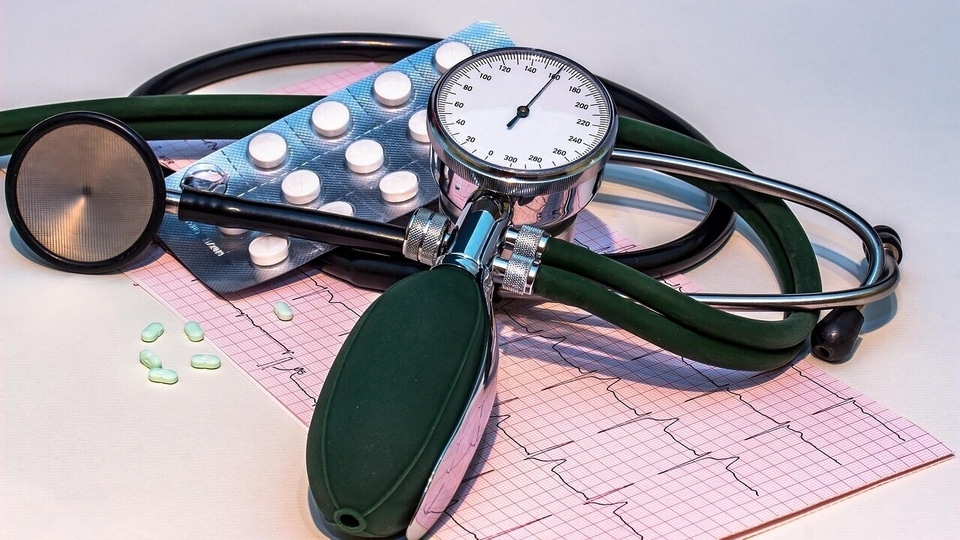
Resistant hypertension is a silent problem that can quietly damage your heart and brain. Dr Ezhumalai shares 6 tips to manage the condition and reduce risk.
World Stroke Day 2025: Every year, 29 October is observed as World Stroke Day - a global call to raise awareness about stroke prevention and the factors that heighten its risk. One such often-overlooked factor is resistant hypertension, a stubborn form of high blood pressure that doesn’t respond easily to medication. While it may remain silent for years, its impact can be life-threatening.
On World Stroke Day 2025, Dr Babu Ezhumalai - a senior consultant and interventional cardiologist, specialising in structural and endovascular interventions cardiology, at MGM Healthcare, Chennai - speaks to HT Lifestyle about the often-overlooked dangers of silent resistant hypertension and its strong link to stroke risk.
He highlights, “Resistant hypertension is a silent threat that can have serious consequences if left unchecked. Patients with RHTN are more likely to experience strokes, often without any obvious warning. On World Stroke Day, it’s a timely reminder that lifestyle changes, medication adherence, regular blood pressure checks, and in select cases, treatments like renal denervation can make a critical difference in preventing stroke.”
What is Resistant Hypertension?
High blood pressure is one of the most common heart disorders, but not all high blood pressure is the same. According to Dr Ezhumalai, “Resistant hypertension (RHTN) is a stubborn form where blood pressure stays high even after taking three or more medications, including a diuretic. What makes it especially concerning is its strong link to stroke, a risk many people are unaware of.”
RHTN progresses silently, and by the time symptoms appear, organs like the heart, kidneys, and brain may already be under strain. The cardiologist elaborates, “According to a study, compared with patients without resistant hypertension, patients with resistant hypertension had a 14% increased risk of stroke. Early detection, consistent monitoring, and proactive management can drastically reduce stroke risk and protect long-term health.”

Reducing stroke risk
Dr Ezhumalai points out the following six things everyone should know about managing RHTN and reducing stroke risk:
1. Resistant hypertension is more than “regular high blood pressure”: Even if you’re taking multiple medications, your blood pressure can stay high. This stubborn type of hypertension silently increases the risk of stroke and organ damage.
2. It’s more common than you think: About 10% of people with high blood pressure may have RHTN. In India, millions may be at risk without realising it, because the condition often shows no symptoms until serious complications occur.
3. The danger often goes unnoticed: RHTN is usually silent. Only severe cases cause symptoms like headaches, dizziness, or nosebleeds. By the time they appear, most of the damage has already occurred quietly in the heart, brain or kidneys.
4. Regular monitoring is essential: Dr Ezhumalai recommends checking your blood pressure regularly at home. 24-hour ambulatory BP monitoring (ABPM) can also be considered, to detect hidden spikes or nocturnal hypertension - both key risk factors for stroke.
5. Lifestyle changes can help: The cardiologist recommends following a DASH diet - rich in fruits, vegetables, whole grains, lean proteins, and low-fat dairy, while reducing salt intake - which can help lower blood pressure. Regular physical activity, such as brisk walking, swimming, or cycling, also contributes to better control. Additionally, managing stress and getting adequate sleep play an important role, as both help reduce strain on the heart and brain and support overall cardiovascular health.
6. Innovative therapies like Renal Denervation (RDN) offer hope: For patients whose blood pressure remains uncontrolled despite lifestyle changes and medications, RDN - a minimally invasive procedure targeting overactive nerves in the kidneys - can help achieve sustained reductions in BP and lower risk of stroke.
Resistant hypertension is a silent but serious threat, and awareness is the first step. Dr Ezhumalai recommends knowing and monitoring your blood pressure regularly, following a healthy lifestyle, and consulting your doctor if the numbers remain high, highlighting that early action can protect your brain and your life.
Note to readers: This article is for informational purposes only and not a substitute for professional medical advice. Always seek the advice of your doctor with any questions about a medical condition.


Catch your daily dose of Fashion, Taylor Swift, Health, Festivals, Travel, Relationship, Recipe and all the other Latest Lifestyle News on Hindustan Times Website and APPs.


