
 E-Paper



Did you know men can get endometriosis too? UK physician explains why this happens and the role of hormonal factors

 Prefer HTon Google


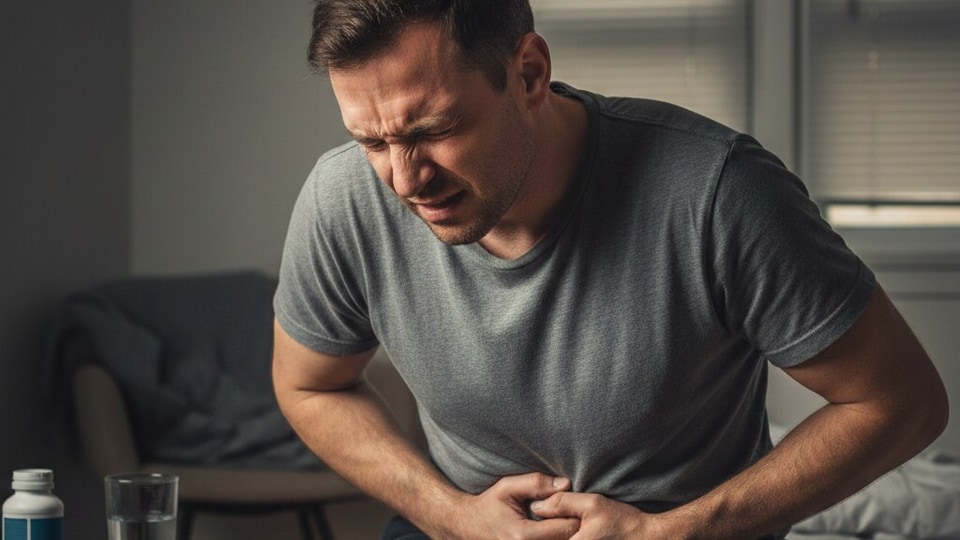
The scary possibility of endometriosis occuring in biological males is very real. Dr Mezher explains what causes it.
Did you know that men can develop endometriosis? While the condition is overwhelmingly associated with people who have a uterus, biology does not always follow neat rules. In exceptionally rare instances, men - despite not having a uterus - have been found to develop endometrial-like tissue within their bodies, highlighting just how complex and fascinating human development can be.
Also Read | Did you know heartbreak can actually physically hurt you? Physician shares 3 fascinating neuroscience facts
Dr Sermed Mezher, a family medicine physician and health content creator based in England with over 15 years of experience, is shedding light on the rare but real possibility of endometriosis occurring in biological males who do not have a uterus. In an Instagram video shared on February 18, the physician outlines the biological and hormonal factors that can contribute to this rare phenomenon.
Endometriosis in men
According to Dr Mezher, while endometriosis is almost exclusively associated with people who have a uterus and ovaries, medical literature has also documented the condition in biological males. However, it is extraordinarily rare, with less than 20 cases reported in clinical history.
He explains, “In these instances, endometrial-like tissue which normally lines the uterus is found growing in locations such as the bladder, abdominal wall, or inguinal canal. The presence of this tissue in a male body is a biological anomaly that challenges some of the traditional theories regarding how the disease originates and spreads.”
How is that possible?
Men with rogue endometrial tissue but no uterus? As mind-boggling as it sounds, Dr Mezher explains that in the early stages of embryonic development - around six weeks after fertilisation - the foetus forms a Mullerian duct, the structure that later develops into the female reproductive system. In males, however, this duct typically regresses as development progresses, driven by the action of anti-Mullerian hormones.
The physician elaborates, “Early in life around six weeks after our foray from fertilisation, all of us develop something called a mullerian duct and in females, these go on to produce their reproductive systems. In males, however, the production of anti-mullerian hormone causes these to regress. And the theory goes that remnants of these mullerian ducts can actually become reactivated after exposure to oestrogen.”
Who is at risk?
Dr Mezher highlights that men with elevated exposure to oestrogen may face a higher risk of developing endometriosis. This includes individuals undergoing hormone replacement therapy as part of prostate cancer treatment, as well as those with obesity or advanced liver cirrhosis, both of which can alter hormone levels and increase circulating oestrogen.
He explains, “The prevailing theory for these rare occurrences is often linked to hormonal cross-talk or high levels of oestrogen exposure. Many of the recorded cases involved men who were undergoing prolonged oestrogen therapy for prostate cancer or individuals with severe liver cirrhosis, which can lead to an inability to properly metabolise oestrogen. Scientists believe that these high oestrogen levels may trigger the transformation of vestigial embryonic cells, known as Mullerian duct remnants, into endometrial-type tissue.”
However, the physician stresses that although such cases are exceedingly rare, they can manifest with symptoms strikingly similar to endometriosis in females, including severe cramping, persistent abdominal pain, and bloating. Such cases also provide valuable insights to understand the complex role that hormones and genetics play in the development of endometriosis across all populations.
Note to readers: This article is for informational purposes only and not a substitute for professional medical advice. It is based on user-generated content from social media. HT.com has not independently verified the claims and does not endorse them.


Catch your daily dose of Fashion, Taylor Swift, Health, Festivals, Travel, Relationship, Recipe and all the other Latest Lifestyle News on Hindustan Times Website and APPs.


