
 E-Paper



Doctor explains how climate change, rising temperatures may influence your diabetes patterns, suggests safety measures

 Prefer HTon Google


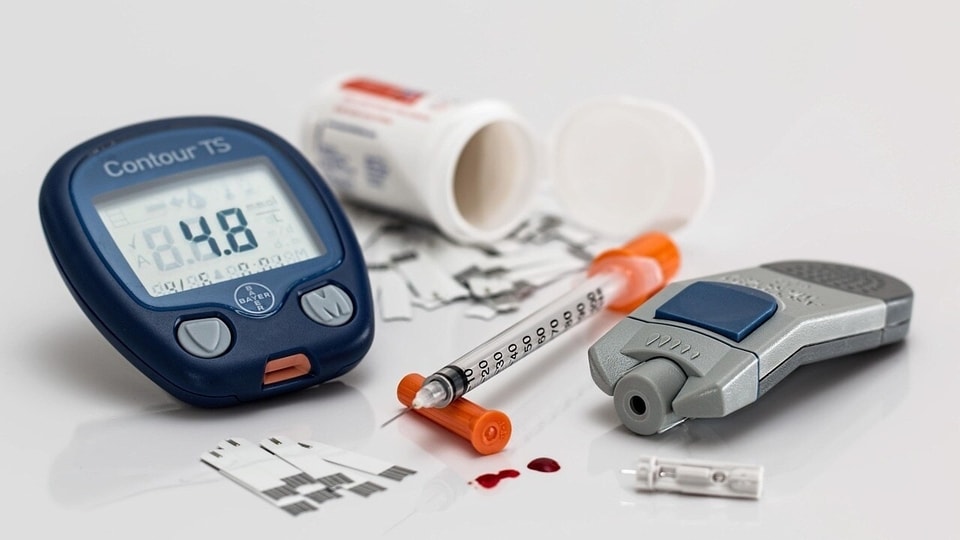
Rising temperatures affect metabolism, making diabetes harder to manage. Dr Ravi highlights the need for hydration and cooling strategies, among other measures.
The connection between a warming planet and metabolic health is clear. A rise in temperatures results in changes in biological and behavioural patterns. This also makes diabetes not only more prevalent but also more difficult to manage.
Also Read | Woman who lost 27 kgs shares high protein, filling and easy-to-make weight loss meals to have on repeat
In an interview with HT Lifestyle, Dr Ravi Kesari, MBBS, MD, general medicine, internal medicine, Apollo Spectra Hospital, Bengaluru, stated that climate change alters the way the human body functions.
According to him, rising global temperatures influence diabetes patterns by altering how the body processes sugar and manages insulin. “When the environment gets hotter, the body must work harder to maintain its internal balance, which can increase the risk of developing and managing the condition,” he warned.

Therefore, to maintain health in this changing environment, Dr Ravi suggests paying more attention to staying cool and hydrated, and to ensuring that medication and medical equipment are protected from heat exposure.
Heat and the body's fuel system
The body has natural ways to manage sugar, Dr Ravi stressed; however, heat can disrupt these systems. “One key factor is how energy is burned. In lower temperatures, a certain kind of fat works to increase calorie burn to produce heat, which also increases the body’s sensitivity to insulin,” he explains.
However, when it remains warmer for longer, this natural process of increasing insulin sensitivity occurs less frequently, making it harder for the body to regulate blood sugar levels.
In addition, Dr Ravi highlights, extreme weather conditions also tend to keep people indoors and less mobile. When it is too hot to walk or exercise outdoors, people tend to move less. “This is a significant factor in the development of Type 2 diabetes and weight gain,” he notes.
Challenges for daily management
Therefore, for people with diabetes, the following are the immediate daily challenges posed by rising temperatures, Dr Ravi notes:
⦿ Dehydration: Heat causes sweating, which results in dehydration. Dehydration increases the concentration of sugar in the blood, leading to higher blood sugar levels.

⦿ Cooling issues: Diabetes can cause nerve damage and blood vessel damage that controls sweat glands. This makes it difficult for the body to cool down, which can cause heat exhaustion.
⦿ Medication issues: High temperatures can damage insulin and other medications, making them less effective. This is especially true during heat waves and power outages, when refrigeration is unavailable.
Proactive safety measures
To stay safe amid rising temperatures, Dr Ravi suggests taking some steps to properly manage blood sugar and conserve medical supplies:
⦿ Stay hydrated and monitor closely: Drinking water all the time helps the kidneys remove excess sugar from the body. It is necessary to check blood sugar levels more often, as heat can cause them to fluctuate unpredictably. It is essential to avoid alcohol and caffeine, as they both dehydrate.
⦿ Keep the body cool: Diabetes can cause the body to have problems sweating, and therefore, it is important to keep the body cool. Physical activities should be rescheduled for early morning or late evening. Loose-fitting clothes and wet towels or fans can help cool the body’s core temperature.
⦿ Protect medication and supplies: Diabetes test kits and insulin are heat-sensitive. It is never a good idea to leave supplies in a car, as the heat can weaken the medication. Insulated cooling pouches should be used while travelling, and testing kits should be stored in a cool, dry place.
Note to readers: This article is for informational purposes only and not a substitute for professional medical advice. Always seek the advice of your doctor with any questions about a medical condition.


Catch your daily dose of Fashion, Taylor Swift, Health, Festivals, Travel, Relationship, Recipe and all the other Latest Lifestyle News on Hindustan Times Website and APPs.


