
 E-Paper



Doctor warns of hidden health dangers in monsoon because of waterlogged cities; shares precaution tips, dos and don'ts

 Prefer HTon Google


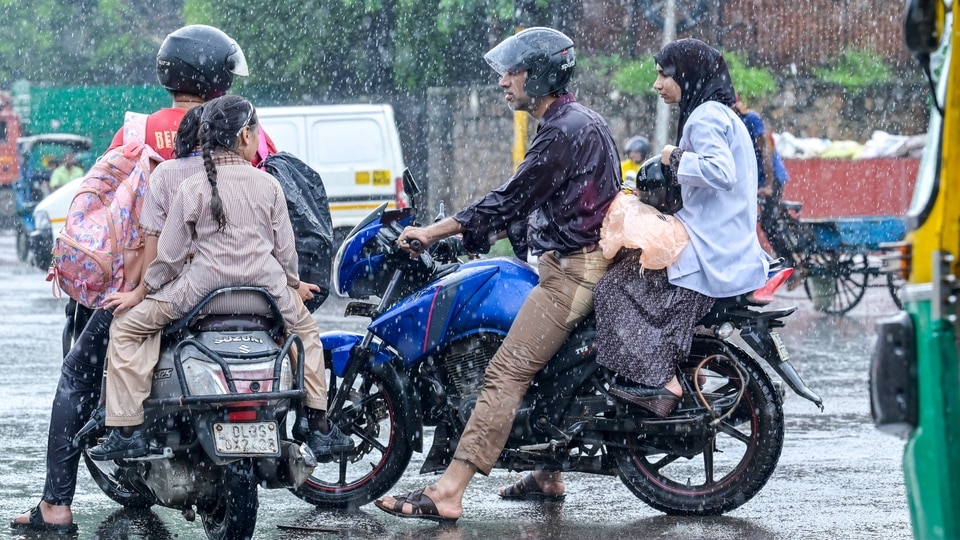
Dr Vikram Vora advises on preventing common illnesses in monsoon through hygiene, awareness of diseases, and quick medical attention for serious symptoms.
More than relief from the scorching heat, monsoon in India often translates to waterlogged roads, food contamination, and a rise in health issues, including skin diseases, infections and illnesses. However, a few precautions, knowledge of the diseases, and dos and don'ts can help you breeze through the season without getting sick.
In an interview with HT Lifestyle, Dr Vikram Vora, medical director at International SOS (India), discussed monsoon illnesses and infectious diseases, the precautions to take against them, and more. He said, “The warm and wet environment during the rains creates ideal conditions for bacteria, viruses, and fungi to spread. From gastrointestinal issues to vector-borne diseases, monsoon illnesses can range from mildly inconvenient to severely debilitating. Understanding how to safeguard your health during this season is essential for preventing common infections and maintaining well-being.”

Tips to stay safe in the monsoon
Preventing illnesses during the monsoon is easy by keeping in mind how to safeguard yourself. Here are some tips Dr Vora offers:
- Always drink boiled or filtered water. Avoid street-side juices and ice, as these are likely made from unfiltered water.
- Eat freshly cooked, homemade food. Avoid raw salads, chutneys, and street food during the season.
- Use mosquito repellents, wear full-sleeved clothing, and ensure there is no stagnant water in or around your home.
- Bathe daily, dry feet thoroughly, and wear breathable footwear. Avoid walking barefoot in wet areas.
- Stay dry, carry rain gear, and change out of wet clothes immediately to prevent chills and viral infections.
Common monsoon illnesses
Having the knowledge of the health issues that can catch up with you in the monsoon is also important in order to safeguard yourself. Here are 5 common illnesses that you should be aware of:
1. Waterborne infections: Diarrheal diseases, cholera, typhoid, and hepatitis A and E are infections common during monsoons, due to the consumption of contaminated water or food. Stagnant water and poor sanitation are key contributors.
2. Vector-borne diseases: Mosquito-borne infections such as dengue, malaria, chikungunya, and Japanese encephalitis peak during the rains. Water accumulation in open containers and clogged drains becomes a breeding ground for mosquitoes.

3. Airborne diseases: The increased humidity and dampness promote the growth of fungi and mould, which can trigger asthma and allergies. Colds, flu, and other respiratory infections also spread more easily.
4. Skin infections: Fungal infections like athlete’s foot and ringworm increase due to sweat and or if you stay wet for long. Cuts and wounds are also more prone to infection during monsoons due to the prevalence of bacteria.
5. Leptospirosis: Walking barefoot in puddles or wading through floodwaters increases the risk of leptospirosis, an infection caused by exposure to the urine of infected animals.
Do’s and Don’ts
Dr Vora also suggested a few dos and don'ts to keep in mind during the monsoon to safeguard yourself from illnesses and infections. He advises:
Do’s:
- Wash your hands frequently with soap, especially before eating.
- Keep nails trimmed and clean.
- Use a disinfectant to clean floors and surfaces.
- Drink plenty of clean water to stay hydrated.
- Use a mosquito net or repellent while sleeping.
Don’ts:
- Don’t let water sit stagnant in plant pots, coolers, or garbage bins.
- Don’t consume raw or cut fruits sold in the open.
- Don’t walk through floodwater unless you have no choice. Do ensure you dry off thoroughly as soon as possible.
- Don’t ignore persistent fever, diarrhoea, or unexplained body aches. Seek medical help early.
- Don’t self-medicate for infections; get a doctor’s consultation.
Lastly, Dr Vora stressed that with some vigilance and simple precautions, most monsoon-related illnesses are preventable. He suggests prioritising hygiene, eating safely, and staying dry, as it can go a long way in protecting yourself and your family. “If symptoms such as high fever, persistent vomiting, skin rashes, or fatigue occur, consult a healthcare provider promptly. Prevention, as always, is better than cure—especially when the rains are pouring,” he adds.
Note to readers: This article is for informational purposes only and not a substitute for professional medical advice. Always seek the advice of your doctor with any questions about a medical condition.


Catch your daily dose of Fashion, Taylor Swift, Health, Festivals, Travel, Relationship, Recipe and all the other Latest Lifestyle News on Hindustan Times Website and APPs.


