
 E-Paper



Doctor warns the kind of shoes you wear can affect load on your joints; shares 5 daily habits that impact joint health

 Prefer HTon Google


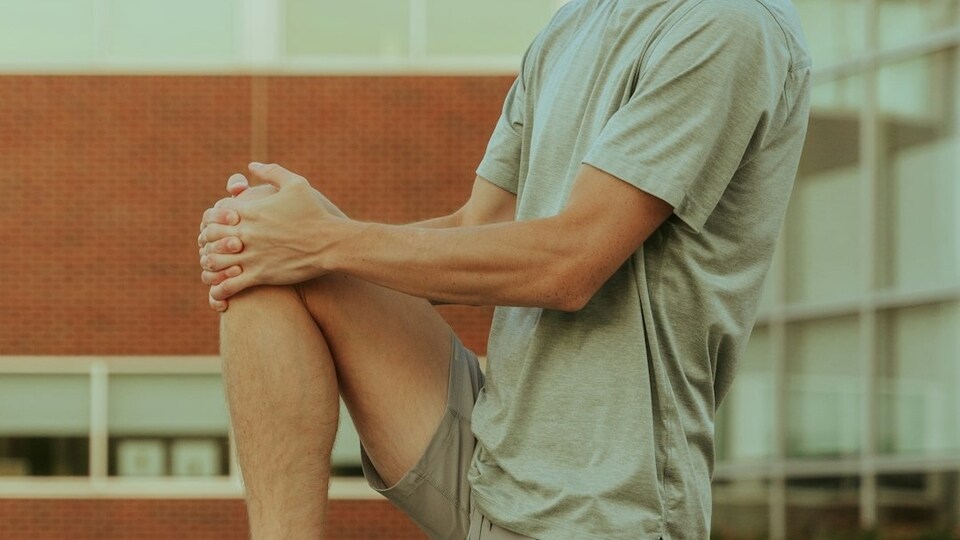
Daily habits from what kind of footwear you use to your level of activity can affect your long term joint health. Dr Sood shares 5 such habits.
Joint health isn’t just shaped by intense workouts or injuries – it’s largely influenced by the small, everyday habits you may not think twice about. From the amount of time you spend sitting to the kind of shoes you wear, these daily choices determine how force is absorbed and distributed across your joints over time. Left unchecked, such habits can quietly contribute to stiffness, discomfort, and long-term wear and tear, making it all the more important to understand how your routine today impacts your joint health tomorrow.
Dr Kunal Sood, an anaesthesiologist and interventional pain medicine physician, is breaking down how everyday habits can quietly impact joint health, highlighting simple yet important factors that influence long-term joint function and comfort. In an Instagram video shared on April 10, the physician explains, “Joint health depends on how force is absorbed, distributed, and recovered from. Movement quality and load management matter as much as strength.”
Warm up before workouts
According to Dr Sood, a proper warm-up before a workout is essential for preparing the body for movement. It helps raise tissue temperature, improve blood flow, and enhance range of motion. Additionally, warming up reduces the viscosity of synovial fluid, allowing for better joint lubrication, while enabling muscles to absorb force more efficiently – ultimately minimising stress on cartilage, ligaments, and tendons.
He explains, “A proper warm-up raises tissue temperature, improves blood flow, and increases range of motion. Synovial fluid becomes less viscous, improving joint lubrication, while muscles become more elastic and absorb force better. This reduces abrupt stress on cartilage, ligaments, and tendons and improves movement coordination.”
Avoid “weekend overload”
Dr Sood highlights that joints respond best to gradual, consistent loading rather than sudden spikes in activity. Jumping into intense movement after periods of inactivity can significantly increase the risk of injury, as fatigued muscles are less able to support and stabilise the joints. This, in turn, places added stress on cartilage and ligaments, raising the likelihood of strain and microdamage over time.
He explains, “Joints adapt best to gradual, repeated loading. Sudden spikes in activity after inactivity increase injury risk because muscles fatigue faster and cannot buffer force effectively. This shifts stress to passive structures like cartilage and ligaments, increasing microdamage and strain.”
Supplements may support symptoms
Supplements like collagen may support cartilage metabolism and help ease joint pain, while omega-3 fatty acids and turmeric are known for their anti-inflammatory benefits. The physician notes that while these can improve pain and overall function, they are not a substitute for proper load management and do not directly rebuild joint structures.
He elaborates, “Collagen may support cartilage metabolism and improve joint pain in some studies. Omega-3s and turmeric primarily reduce inflammation through pathways like NF-κB and cytokine signaling. These can improve pain and function, but they do not replace mechanical load management or rebuild joints directly.”
Prolonged sitting stiffens joints
According to the physician, prolonged periods of inactivity can significantly reduce joint movement and limit the circulation of synovial fluid, which is essential for nourishing cartilage. Additionally, extended inactivity weakens and disengages key stabilising muscles, shifting more stress onto the joints and increasing the risk of stiffness, strain, and discomfort.
He emphasises, “Long periods of inactivity reduce joint movement and synovial fluid circulation, limiting cartilage nutrition. Muscle inactivity weakens stabilisers like the glutes and core, shifting load to joints. This leads to stiffness, reduced support, and increased stress during movement.”
Footwear affects joint loading
The shoes you wear play a crucial role in how force is distributed across your feet, knees, and hips. As footwear wears down over time, its cushioning and structural support begin to deteriorate, altering shock absorption and increasing the load placed on your joints.
Dr Sood explains, “Shoes influence how forces travel through the foot, knee, and hip. As footwear wears out, cushioning and structural support decline, increasing impact forces and altering joint mechanics. This can raise stress on joints higher up the kinetic chain.”
Note to readers: This article is for informational purposes only and not a substitute for professional medical advice. It is based on user-generated content from social media. HT.com has not independently verified the claims and does not endorse them.


Catch your daily dose of Fashion, Taylor Swift, Health, Festivals, Travel, Relationship, Recipe and all the other Latest Lifestyle News on Hindustan Times Website and APPs.


