
 E-Paper



Does creatine damage your kidneys? UK surgeon breaks down how these supplements mess with your health

 Prefer HTon Google


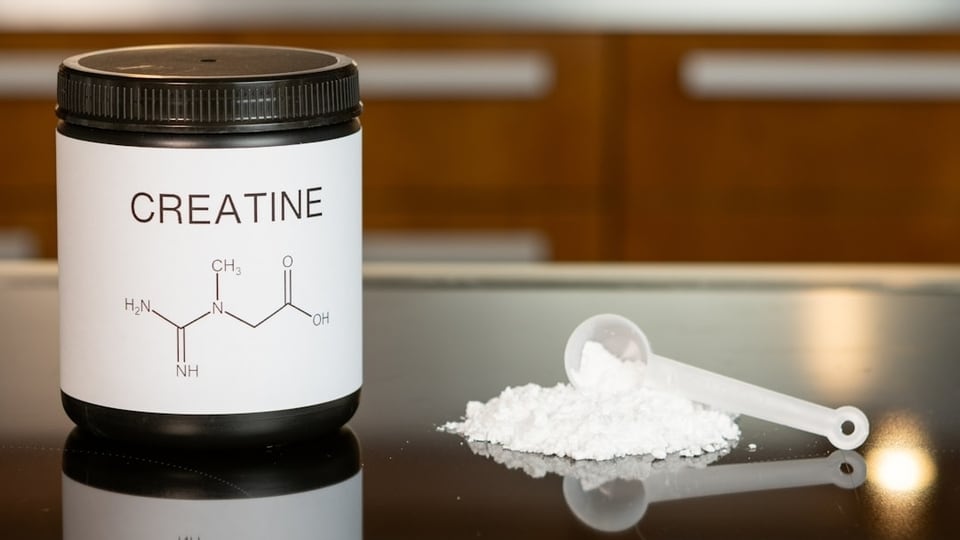
If you take creatine and your KFT shows high creatinine, don’t panic! Dr Rajan breaks down how supplements can distort the results.
If you’ve ever taken creatine and worried it might be damaging your kidneys, the truth is a bit more nuanced. Creatine itself isn’t harmful, but it can elevate one key marker in your blood - creatinine - which may make your kidney function tests look worse than they truly are. This can lead to a false alarm rather than a genuine health issue.
Also Read | UK surgeon says your bloating might be due to stress or too much coffee; shares 5 ways to ease discomfort
Dr Karan Rajan, a UK-based surgeon and popular health content creator, has explained how creatine supplementation can raise creatinine levels and lead to misleading kidney function test results. In an Instagram video posted on December 4, the surgeon emphasises that even though creatine supplements do not harm the kidneys, it can result in false results and suggests a better alternative biomarker for creatine users.
Creatine affects KFT
Dr Rajan states that taking creatine supplements can alter your creatinine levels, resulting in inaccurate kidney function test results. He shares the results of some routine blood tests that he underwent back in 2024, when he was taking creatine, and the results showed unusually elevated creatinine levels.
The surgeon notes, “January 2024, I had some routine blood tests and it showed the creatinine, a chemical waste product, was high, not ideal. And the EGFR, a marker of kidney function, was in the low to normal range, far lower than what you'd expect for a person in their 30s with no medical conditions.” This led him to investigate further, eventually identifying creatine supplements as the likely culprit.
Why does this happen?
Dr Rajan explains that creatinine is a breakdown product of creatine, so taking more creatine naturally raises creatinine levels in the bloodstream. He elaborates, “So the more creatine you have in your bloodstream, like if you take supplements, the more creatinine your body will make as a byproduct. And this is excreted via the kidneys. An equation frequently used to work out kidney function often uses the serum creatinine levels. So if your creatinine is falsely elevated by supplementing with creatine, this equation can give you a wrong kidney function calculation with an unexpectedly low EGFR.”
More accurate biomarker for creatine users
To ensure creatine doesn’t alter your kidney function test results, the surgeon advises stopping supplements beforehand for a more accurate reading. He also highlights Cystatin C as a more reliable marker of kidney function for people who take creatine.
Dr Rajan shares, “To make sure it was just the creatine muddying the waters, I stopped creatine for a week and then got repeat blood tests. The creatinine was normalising and the EGFR was going up. So far so good. If you supplement with creatine, it can stay in your system for six to eight weeks. So I got repeat blood tests three months later, including a special test called Cystatin C. This is more accurate at looking for kidney function in those who consume a high protein diet and take creatine.”
The surgeon emphasises that creatine supplementation does not harm your kidneys, but it can raise serum creatinine levels, creating a false impression of kidney injury. He advises informing your doctor about any supplements you take to avoid unnecessary concern.
Note to readers: This article is for informational purposes only and not a substitute for professional medical advice. It is based on user-generated content from social media. HT.com has not independently verified the claims and does not endorse them.


Catch your daily dose of Fashion, Taylor Swift, Health, Festivals, Travel, Relationship, Recipe and all the other Latest Lifestyle News on Hindustan Times Website and APPs.


