
 E-Paper



Does focusing on positivity rewire the brain to find more good? Maryland doctor explains

 Prefer HTon Google


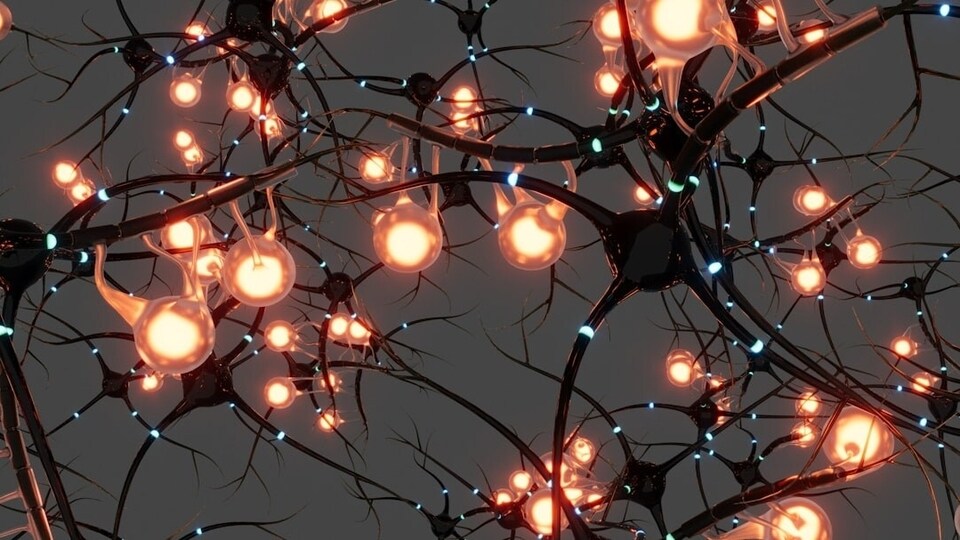
By focusing on good things often, the brain can be trained to recognise them easily, and stress dominated pathways begin to quiet down, shares Dr Sood.
People often say that if one focuses on the good, more good things start happening to them. Whether it is vibes or aura, good attracts good has become a common notion. And according to Dr Kunal Sood, a Maryland-based physician in Anesthesiology and Interventional Pain Medicine, there can be a scientific reason behind it.
Taking to Instagram on February 5, Dr Sood observed that there is “actual neuroscience” that supports the apparent benefits of focusing on “the good.”
How focusing on good things helps
“The adult brain isn’t fixed,” stated Dr Sood. “It’s constantly changing based on where attention goes more often. This is called neuroplasticity.”
Every time an individual repeatedly focuses on something, the same group of neurons fire together. With repetition, the connection between them becomes stronger, and the pattern becomes “easier to access in future.”
“Over time, the brain becomes more efficient at returning to the states and interpretations it practices most,” noted Dr Sood. “So when attention is consistently placed on positive experiences, moments of safety, or things that are going right, even small ones, the brain repeatedly activates circuits involved in reward and emotional regulation.”
Repeating the pattern a sufficient number of times makes the pathways more automatic, while the stress-dominant pathways quiet down.
Forced optimism is not the answer
While focusing on positive thoughts helps the brain to recognise them better, ignoring problems or forcing optimism at all times does not have the same effect, cautioned Dr Sood.
“The brain doesn’t respond to single thoughts. It responds to patterns of attention. What you repeatedly notice is what your brain learns to prioritise,” he shared.
Thus, while focusing on the good does not magically change reality, it can change what the brain is trained to look for.
Note to readers: This article is for informational purposes only and not a substitute for professional medical advice. Always seek the advice of your doctor with any questions about a medical condition.
This report is based on user-generated content from social media. HT.com has not independently verified the claims and does not endorse them.


Catch your daily dose of Fashion, Taylor Swift, Health, Festivals, Travel, Relationship, Recipe and all the other Latest Lifestyle News on Hindustan Times Website and APPs.


