
 E-Paper



Feeling foggy at work? Physician explains how dehydration silently affects focus, memory, mood and productivity

 Prefer HTon Google



From brain fog to low productivity, here are some of the surprising effects of dehydration on your mental health.
We often blame stress, lack of sleep, or long working hours when we struggle to concentrate, feel irritable, or experience constant fatigue. However, one of the most overlooked reasons behind these everyday challenges is something far simpler—dehydration. In an interview with HT Lifestyle, Dr Mohsin Aslam, consultant physician at Asian Institute of Gastroenterology, Hyderabad, shared how dehydration can affect the way the brain functions.
Also read | Dehydration headache or regular migraine? Physician explains the difference and prevention tips
"Many people don't realise that by the time they feel thirsty, their body is already experiencing a fluid deficit. Even mild dehydration can reduce concentration, slow reaction time, affect mood, and leave people feeling mentally exhausted," said Dr Aslam.
Why hydration matters more than we think
Dr Aslam highlighted that the human brain is made up of nearly 75 percent water, making it highly dependent on adequate hydration to function efficiently. Water helps maintain blood circulation to the brain, supports communication between nerve cells, and plays an important role in regulating body temperature and energy levels.

When the body loses fluids through sweating, heat exposure, physical activity, or even prolonged hours in air-conditioned environments without replacing them adequately, cognitive performance can begin to decline.
"This isn't something that only affects athletes or people working outdoors. Office professionals, students, frequent travellers, and even those working from home can experience subtle dehydration that impacts their daily productivity," explains Dr Aslam.
The hidden signs of mild dehydration
Dehydration doesn't always begin with intense thirst. In many cases, the body sends quieter signals that are often ignored or mistaken for stress.
Some common signs include:
Difficulty concentrating
Brain fog
Frequent headaches
Irritability
Low energy despite adequate sleep
Dry mouth
Reduced alertness
These symptoms may seem unrelated, but together they can significantly reduce workplace productivity performance and overall wellbeing.
Why are Indians more vulnerable
According to Dr Aslam, India's climate makes maintaining hydration particularly challenging. High temperatures, humidity, long commutes, outdoor exposure, and increasingly sedentary indoor lifestyles create conditions where people lose fluids throughout the day without consciously replacing them. Adding to this are habits like consuming multiple cups of tea or coffee, skipping water during busy workdays, and relying on thirst as the only reminder to drink fluids.
It's not just about drinking more water
While drinking enough water remains essential, hydration is also about maintaining the body's fluid and electrolyte balance. Electrolytes such as sodium, potassium, and chloride help regulate nerve function, muscle activity, and the movement of water into cells. During periods of excessive sweating, illness, prolonged physical activity, or heat exposure, replacing both fluids and electrolytes becomes important. Dr Aslam advises choosing hydration solutions wisely. Not every electrolyte drink is the same.
Simple ways to stay hydrated every day
Maintaining good hydration doesn't require complicated routines. A few simple habits can make a significant difference:
Start your day with a glass of water.
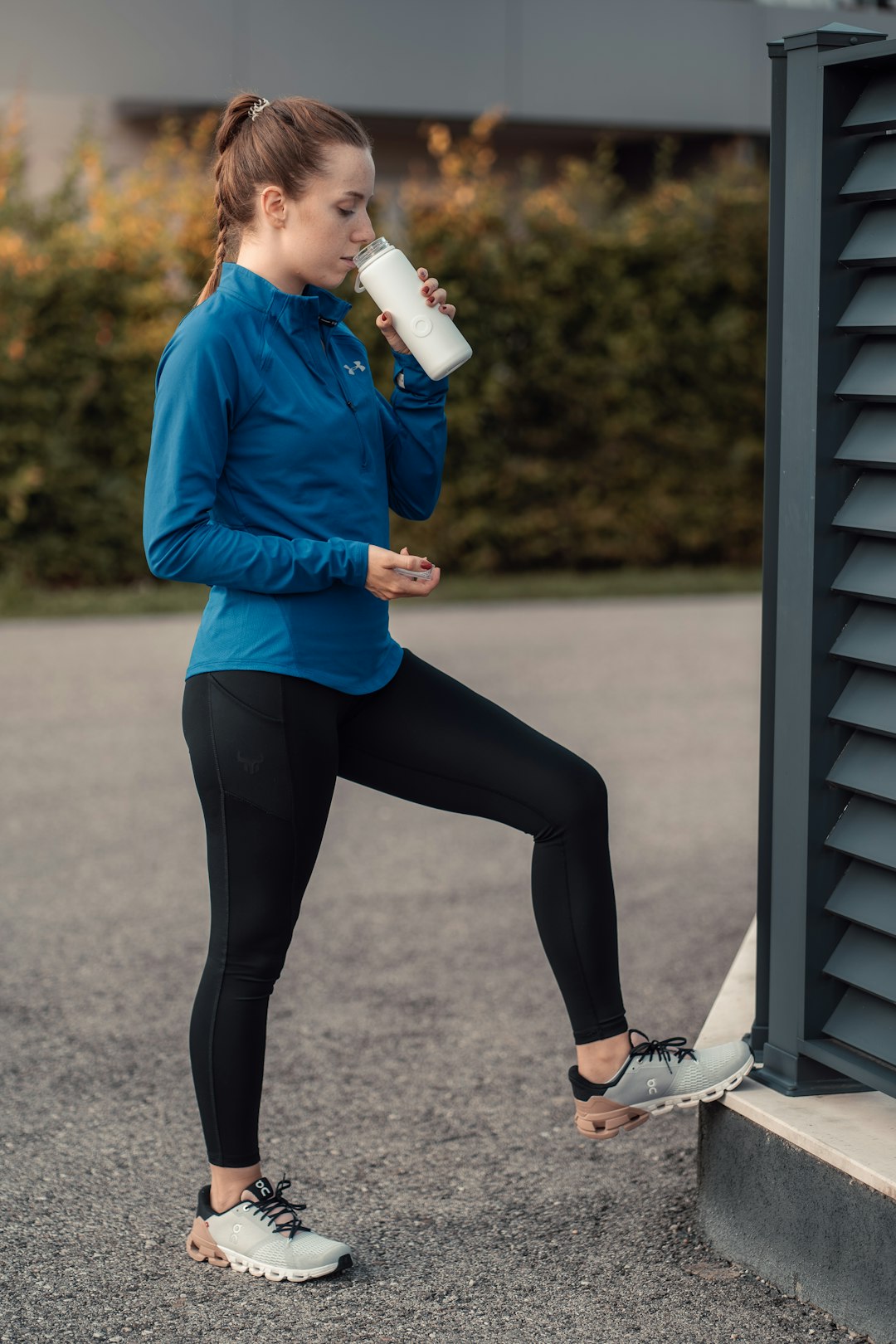
Carry a reusable water bottle while travelling or at work.
Drink fluids regularly instead of waiting to feel thirsty.
Increase fluid intake during hot weather and after physical activity.
Include water-rich foods such as fruits and vegetables in your diet.
Replace fluids appropriately during illness or excessive sweating.
Note to readers: This article is for informational purposes only and not a substitute for professional medical advice. Always seek the advice of your doctor with any questions about a medical condition.


Catch your daily dose of Fashion, Taylor Swift, Health, Festivals, Travel, Relationship, Recipe and all the other Latest Lifestyle News on Hindustan Times Website and APPs.


