
 E-Paper



Heatwave in US: 6 expert-approved tips to prevent heat stroke
Learn about heat stroke, its symptoms, causes, and effective home treatments to stay safe during extreme heat conditions.

 Prefer HTon Google


Are you aware of the importance of heat stroke prevention, especially during the summer months? As temperatures soar across the US - touching close to 40 degrees, health officials are increasingly warning about the dangers posed by extreme heat conditions. The Lancet reports that extreme heat is one of the top-most weather-related threats in the US. Heat stroke is not only a concern for those who work outdoors; it can affect anyone when the body’s temperature regulation fails in excessively hot environments. It is essential to recognize that vulnerable groups, including young children, the elderly, and individuals with certain health conditions, face a higher risk, making awareness and understanding of heat stroke more crucial than ever. It is known to significantly raise risks of heart complications, dehydration, mental health issues, and adverse outcomes for pregnant women. So, in this rising heatwave in US, an expert shares top tips to prevent heat stroke.
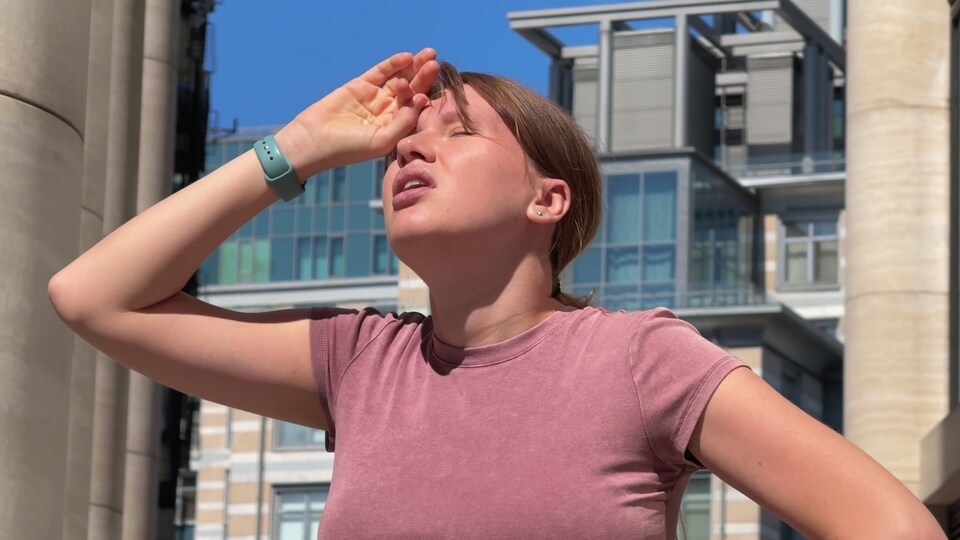

What is heat stroke?
Heat stroke is a severe medical condition characterised by a body temperature exceeding 104°F (40°C). Common symptoms include:
- Dizziness or confusion
- Nausea and vomiting
- Rapid heartbeat
- Flushed skin
- Hot and dry skin (often without sweating)
- Headaches
- Irritability or altered mental state
"Since heat stroke can lead to serious complications, including organ damage, it’s crucial to recognize the signs and seek immediate medical attention if you or someone else exhibits these symptoms", Dr Rakesh Gupta, Senior Consultant - Internal Medicine, Indraprastha Apollo Hospitals.
Causes of heat stroke
Several factors can contribute to the risk of developing heat stroke. Here’s a closer look:
- Prolonged exposure to heat: Spending too much time outdoors in high temperatures, particularly without adequate protective measures, significantly increases the risk of heat-related health issues.
- Dehydration: Not drinking enough fluids can lead to dehydration, which impairs your body’s ability to regulate its temperature.
- Excessive physical activity: Engaging in intense physical exertion—such as heavy labour or long-distance running—especially in hot weather, can elevate the risk of heat stroke.
- Existing health conditions: Individuals with pre-existing health issues, such as high blood pressure or heart disease, may be at a higher risk of heat-related illnesses.
- Substance use: Excessive alcohol or drug use may hinder body temperature regulation and increase vulnerability.
- Age factors: Both the elderly and young children are particularly at risk because their bodies are less efficient at regulating their body temperature.
Symptoms to watch for
Recognizing the symptoms of heat stroke is crucial for early intervention. Key indicators include:
- Rapidly rising body temperature: Often above 104 degrees Fahrenheit (40 degrees Celsius).
- Excessive sweating: In some cases, individuals may experience hot, dry skin.
- Breathing difficulties: Shortness of breath or difficulty breathing.
- Headaches or dizziness: Notable light-headedness or confusion.
- Heart irregularities: Rapid or irregular heartbeat.
If you notice these symptoms in yourself or others, it’s essential to act quickly.

Risk factors for heat stroke
Understanding the factors that elevate the risk of heat stroke can empower you to take preventive measures. Dr Sumol Ratna, Department of Medicine, NIIMS Medical College & Hospital, includes key risk factors:
- High temperatures: Excessive heat, particularly during summer months.
- Lack of hydration: Insufficient water intake leads to dehydration.
- Physical exertion: Complicated by extreme heat.
- Age: Older adults and children require extra precautions.
- Medical health conditions: Those with chronic illnesses or existing health problems are at a higher risk.
By being mindful of these factors, you can better protect yourself and others from heat stroke.
How to prevent heat stroke
Prevention is often the most effective strategy for maintaining good health. The Centers for Disease Control and Prevention (CDC) recommends some practical tips to help you stay safe this summer:
- Stay hydrated: Drink plenty of water, especially if you're spending time outdoors. Aim for at least 8-10 glasses of water a day, and more if you’re physically active.
- Limit sun exposure: Try to stay indoors during peak heat hours, usually between 10 AM and 4 PM.
- Wear appropriate clothing: Choose light, loose-fitting, and light-coloured clothing that allows your body to breathe.
- Take breaks: If you’re working or exercising outside, take frequent breaks in the shade or an air-conditioned environment.
- Learn the signs: Educate yourself and your family about the symptoms of heat exhaustion and heat stroke.
- Plan activities wisely: Schedule physical activities for cooler parts of the day, such as early morning or late evening.
By adopting these simple measures, you can reduce your risk of experiencing heat stroke.
How to treat heat stroke?
If you suspect someone is suffering from heat stroke, it’s crucial to act quickly. Here are the steps to follow:
- Cool the person down immediately:
- Move them to a cooler area, preferably indoors or in the shade.
- Remove excess clothing to help their body cool more effectively.
Apply cool water to their skin, whether through a cold shower, wet cloths, or ice packs, on key areas such as the groin, armpits, and neck.
2. Hydrate appropriately: If the person is conscious and able to swallow, provide them with cool fluids. Avoid caffeine or alcohol.
3. Monitor their condition: Keep a watch on their symptoms and body temperature. If they do not improve or their condition worsens, don’t hesitate to call for medical help.
4. Stay with them: Ensure that someone is present at all times until professional help arrives or the person recovers.

Catch your daily dose of Fashion, Taylor Swift, Health, Festivals, Travel, Relationship, Recipe and all the other Latest Lifestyle News on Hindustan Times Website and APPs.


