
 E-Paper



How does Bhramari Pranayama work? Yoga guru Akshar shares a step-by-step guide to calm stress and promote healing
Bhramari Pranayama can reduce stress and promote healing through the sound it produces. This guide provides simple instructions and highlights its benefits.

 Prefer HTon Google


Bhramari Pranayama is a popular practice that helps calm the mind by using a humming sound like a bee. Practice it by inhaling, humming, and relaxing. However, this is only a small part of the practice. Bhramari includes correct posture, breath control, hand placement, and focused awareness. These are important because even though many people do Bhramari pranayama, it is often not taught as a complete method. Good body posture helps guide the breath, and the role of the hands is often ignored. These factors influence how the practice affects the nervous system and brain.
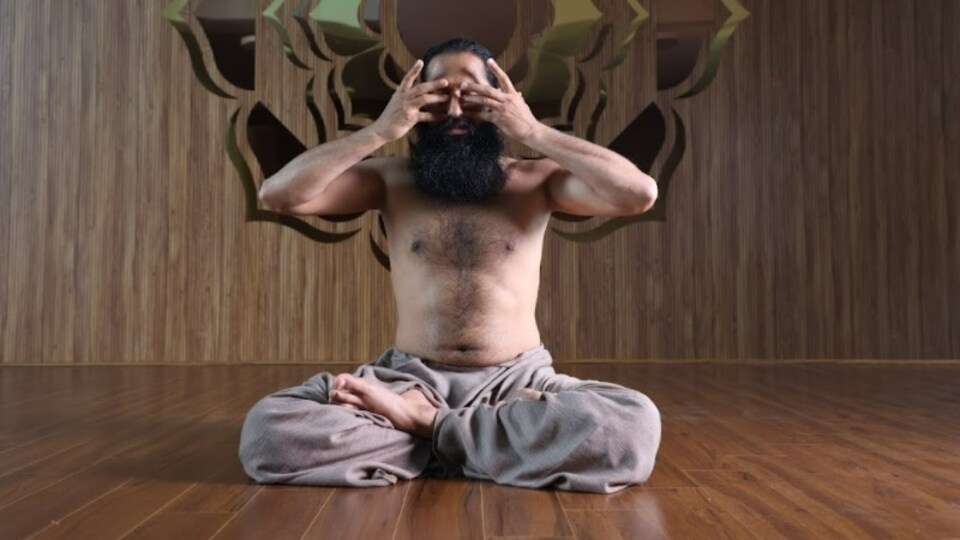

"As someone who has practised yoga and meditation, I understand how these activities can change your life. I remember my first time trying Bhramari. It helped calm my busy thoughts and bring me to the present moment. This practice is not just about relaxation; it helps shift our overall energy and mood," yoga guru Himalayan Siddhaa Akshar tells Health Shots.
What is the science behind Bhramari Pranayama?
Bhramari Pranayama sees sound as a fundamental part of life. "Throughout history, many cultures have recognised sound as a key force shaping everything from tiny particles to the vast universe", says the yoga expert. In the Siddha traditions, the universe is viewed as a complex dance of frequencies, in which matter, energy, and consciousness arise from organised vibrations.
This viewpoint is very different from modern methods, which often look at sound in a limited way. "Bhramari, on the other hand, treats sound as a real and measurable aspect that affects our bodies. The practice focuses on creating vibrations within us through the sounds of our own breathing," says the expert. This controlled resonance interacts with our body and nervous system.
Is Bhramari Pranayama (humming) good for your health?
Making a humming sound can positively affect our well-being. The Siddhas, who studied the human body closely, explored how vibrations impact our tissues, fluid movement, and nervous system.
Some technologies, such as ultrasound and resonance-based diagnostics, use controlled vibrations to affect biological processes positively. "When you practice Bhramari, the humming creates vibrations that travel through the skull and sinus cavity", says the expert. This produces a special resonance that benefits the surrounding tissues.
A recent study in Current Biology shows that rhythmic vibrations can help synchronise brain pathways, improve vagal tone, and activate the parasympathetic nervous system, which is our body’s “rest and digest” mode. This practice can stabilise your heart rate and lower stress hormone levels.
How to do Bhramari Pranayama step by step?
Are you ready to start your journey with Bhramari Pranayama? Follow this simple step-by-step guide, based on the teachings of Himalayan Siddhaa Akshar, to enjoy the calming benefits of this practice.
- Find your space: Choose a quiet, comfortable spot where you can sit without being disturbed. This could be a cosy corner in your home or a peaceful spot in the park. Your surroundings are very important for your practice.
- Sit comfortably: Sit with your legs crossed on the floor or in a chair, keeping your feet flat on the ground. Keep your back straight, your shoulders relaxed, and your hands resting on your knees or thighs.
- Close your eyes: Gently close your eyes and take a moment to relax. Focus on your breathing and notice its natural rhythm before beginning your practice.
- Inhale deeply: Breathe in deeply through your nose, letting your stomach expand fully. This breath prepares you to make the sound.
- Humm like a bee: As you breathe out, make a humming sound like a bee with your lips gently closed. Feel the vibrations in your skull and sinus area. Imagine the sound moving through your body, helping you relax and feel grounded.
- Duration: Humming softly for several breaths will help you relax. Do this about 6 to 10 times. Feel the vibrations go deeper inside you. Listen to the sound within you and let it echo gently in your mind.
- Reflect and conclude: After your session, sit quietly for a minute. Think about your experience and notice any feelings, sensations, or thoughts that come up. Slowly open your eyes and return to the room, taking calmness with you.
How does Bhramari Pranayama affect stress?
As you add Bhramari Pranayama to your routine, you may notice big changes in your stress levels and overall health. Research from Harvard Health shows that these practices can lower stress hormones, which helps your heart rate vary healthily and improves oxygen intake.
If you have anxiety or emotional ups and downs, practising Bhramari can help improve your immune system and clear your mind. "It’s not just about quieting the noise around you; it’s about changing how you feel inside", explains the expert. Instead of just blocking stress, Bhramari helps create a calm and balanced inner state.
(Note to readers: This article is for informational purposes only and not a substitute for professional medical advice. Always seek the advice of your doctor with any questions about a medical condition.)

Catch your daily dose of Fashion, Taylor Swift, Health, Festivals, Travel, Relationship, Recipe and all the other Latest Lifestyle News on Hindustan Times Website and APPs.


