
 E-Paper



How just 30 minutes of daily walking can transform your physical and mental health

 Prefer HTon Google


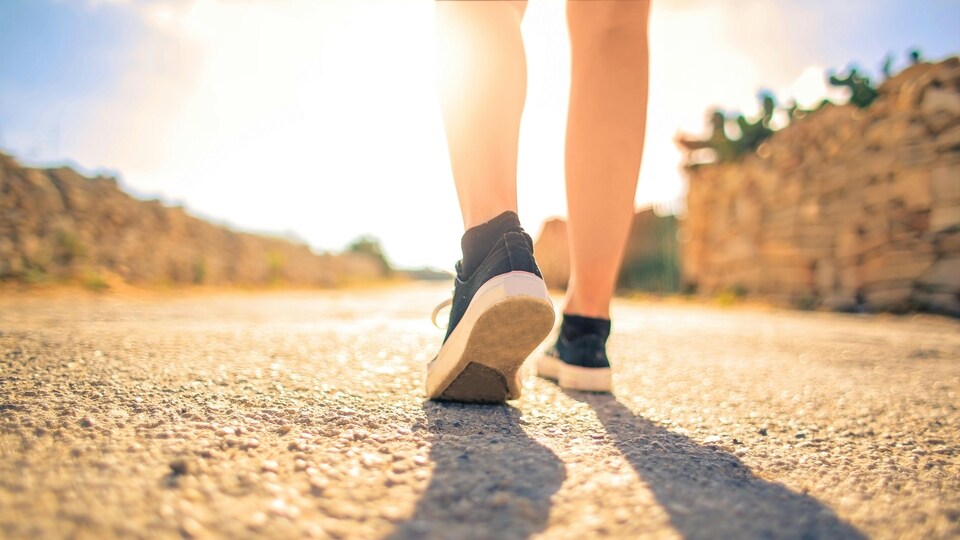
Walking is a low-impact exercise that improves physical and mental health, with experts recommending at least 2.5 hours per week.
Janet Rapp strode briskly down a paved path through the city zoo, waving at friends and stopping briefly to greet emus she knows by name. The 71-year-old retiree starts each morning this way with a walking club. “I’m obsessed,” she said. Not only does it ease her joint pain, “it just gives me energy … And then it calms me, too.”
Medical experts agree that walking is an easy way to improve physical and mental health, bolster fitness and prevent disease. While it’s not the only sort of exercise people should do, it’s a great first step toward a healthy life. “You don’t need equipment and you don’t need a gym membership,” said Dr. Sarah Eby, a sports medicine physician with Mass General Brigham. “And the benefits are so vast.”
What can walking do for you?
Walking can help meet the U.S. surgeon general’s recommendation that adults get at least 2 1/2 hours of moderate-intensity physical activity every week. This helps lower the risk of heart disease, high blood pressure, dementia, depression and many types of cancer. Walking also improves blood sugar levels, is good for bone health and can help you lose weight and sleep better, added Julie Schmied, a nurse practitioner with Norton Healthcare, which runs the free Get Healthy Walking Club.
Another advantage? It’s a low-impact exercise that puts less pressure on joints as it strengthens your heart and lungs. James Blankenship, 68, said joining the walking club at the Louisville Zoo last year helped him bounce back after a heart attack and triple bypass in 2022. “My cardiologist says I’m doing great,” he said.
For all its benefits, however, walking “is not enough for overall health and well-being” because it doesn’t provide resistance training that builds muscle strength and endurance, said Anita Gust, who teaches exercise science at the University of Minnesota Crookston. That's especially important for women’s bone health as they age.
Experts recommend adding such activities at least twice weekly – using weights, gym equipment or your own body as resistance — and doing exercises that improve flexibility like yoga or stretching.
ALSO READ: A six-minute walk test can tell you THIS about your heart and lungs!
Do you really need 10,000 steps a day?
Nearly everyone has heard about this walking goal, which dates back to a 1960s marketing campaign in Japan. But experts stress that it’s just a guideline. The average American walks about 3,000 to 4,000 steps a day and it's fine to gradually work up to 10,000, Shmied said.
Setting a time goal can also be useful. Shmied suggests breaking the recommended 150 minutes per week into 30 minutes a day, or 10 minutes three times a day, for five days. During inclement weather, people can walk in malls or on treadmills. As they become seasoned walkers, they can speed up the pace or challenge themselves with hills while still keeping the activity level moderate. “If you can talk but not sing,” Eby said, “that’s what we consider moderate-intensity exercise.”
How do you stay motivated?
Walking with friends – including dogs – is one way. Walking clubs have popped up across the nation. In 2022, New York personal trainer Brianna Joye Kohn, 31, started City Girls Who Walk with a TikTok post inviting others to walk with her. “We had 250 girls show up,” she said. Since then, the group has walked every Sunday for around 40 minutes, with some meeting afterward for brunch or coffee.
The Louisville Zoo launched its walking club in 1987, partnered with Norton in 2004 to expand it, and now boasts more than 15,000 registered members. Every day from March 1 through Oct. 31, people walk around and around the 1.4-mile loop before the zoo officially opens.
Tony Weiter meets two of his siblings every Friday. On a recent morning, they caught up on each other’s lives as they zipped past zebras in a fenced field and a seal sunning itself. “I enjoy the serenity of it. It’s cold but the sun is shining. You get to see the animals,” said Weiter, 63. “It’s a great way to start the morning.”


