
 E-Paper



How much salt is too much for consumption? Nephrologist Dr Vikram Kalra explains

 Prefer HTon Google


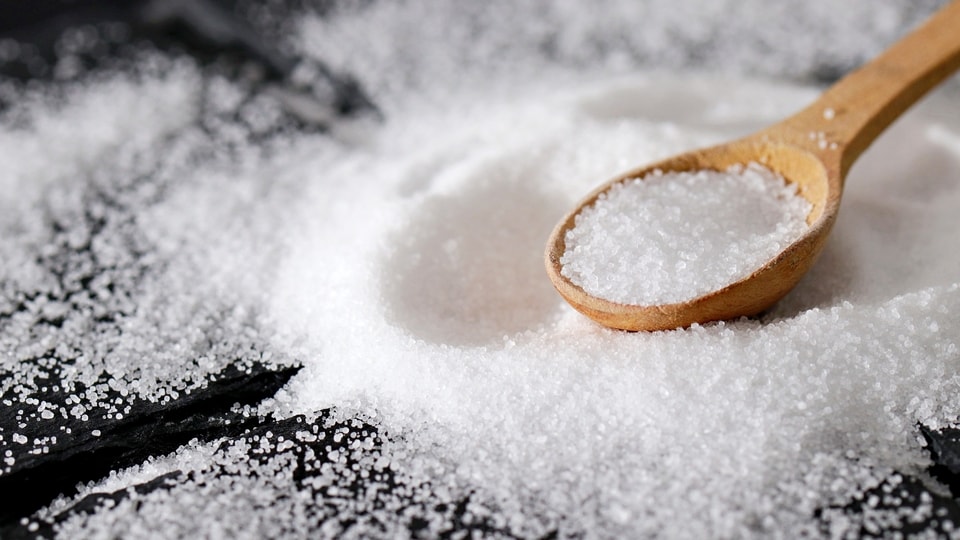
Excessive salt intake is not good for health and can cause noticeable symptoms. Dr Kalra shares what they are, and where to draw the line.
Anything in excess is usually not good for our health. That holds true for salt, whose excessive consumption can disrupt electrolyte balance in the body and lead to various symptoms.
In an interaction with HT Lifestyle, nephrologist Dr Vikram Kalra explained the effects, shared how much salt is good for daily consumption, and who should be particularly careful of excess intake.
Symptoms of excess salt intake
Consuming excessive amounts of salt leads to multiple noticeable symptoms. According to Dr Kalra, these include:
- Drastic decrease in the amount of urine produced
- Development of new swelling
- Presence of blood in the urine
- Worsening of breathlessness
- Onset of confusion
- Continuous vomiting
For patients who are under observation, excess salt intake can show up as a rise in creatine levels, fluctuating electrolyte levels, and a change in urine output, noted the nephrologist.
What is the limit for daily salt consumption?
The World Health Organisation (WHO) recommends that an adult should consume less than 5 grams of salt a day, which is roughly equal to one teaspoon, which should come from all sources of food.
“This amount includes the salt used in cooking as well as sodium that is contained in foods that are packaged and prepared by restaurants and food companies,” explained Dr Kalra.
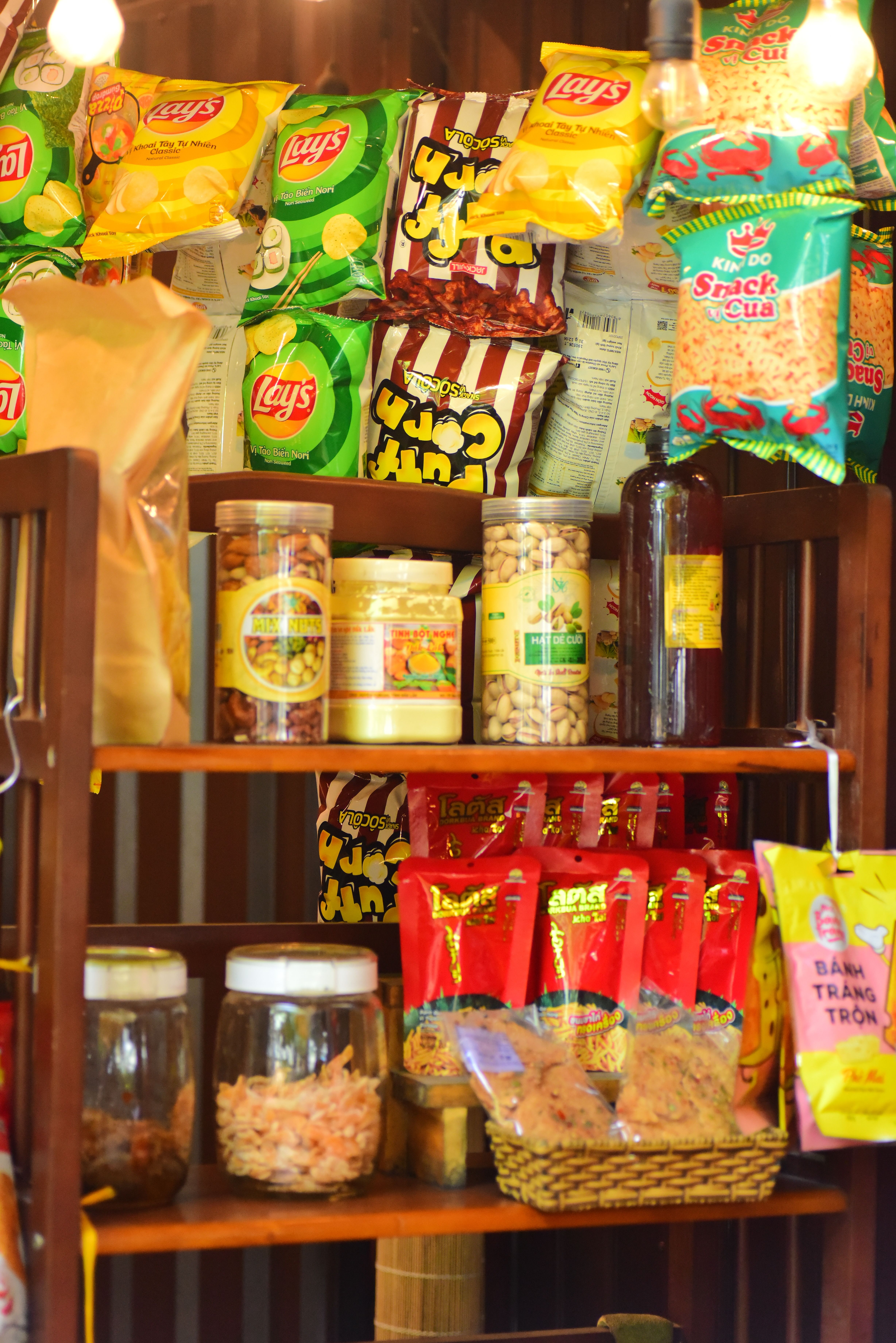
“Challenge arises in that most of the sodium that is taken by a person comes in the form of such foods that do not have a salty taste,” he cautioned. “For example, foods such as pickles, papads, packaged snacks, instant noodles, and many others can contain large amounts of sodium.”
Who needs to be particularly careful?
According to Dr Kalra, individuals who have chronic kidney disease, hypertension, congestive heart failure or a previous history of kidney stones may need to restrict their sodium intake more carefully. The specific level may depend on the person's medical history, medications, and renal function.
“Limiting salt does not mean taking all taste away from your food,” shared the nephrologist. “Fresh herbs, spices, lemon juice, garlic, and all other flavours will help to reduce the amount of salt used. Reading labels and choosing fresh products can also help a great deal.”
Dr Kalra pointed out that sodium is not dangerous in responsible amounts, but continued excessive intake of sodium can result in hypertension and additional strain on the kidneys, making moderation important for those already at risk of kidney and cardiovascular problems.
“It is important to consider total sodium intake rather than just the use of a salt shaker,” he added. “Decreasing sodium intake in the diet can be accomplished through small but sustainable changes, such as reducing consumption of processed food, avoiding extra salt, and using more fresh produce.”
Note to readers: This article is for informational purposes only and not a substitute for professional medical advice. Always seek the advice of your doctor with any questions about a medical condition.
Dr Vikram Kalra, is the principal director of the department of Nephrology and Kidney Transplant at Aakash Healthcare Multi-Speciality Hospital, Dwarka, and has over 25 years of clinical experience.


Catch your daily dose of Fashion, Taylor Swift, Health, Festivals, Travel, Relationship, Recipe and all the other Latest Lifestyle News on Hindustan Times Website and APPs.


