
 E-Paper



Instant noodles your fav comfort food? Mumbai orthopaedic surgeon explains why overconsuming them can be harmful

 Prefer HTon Google


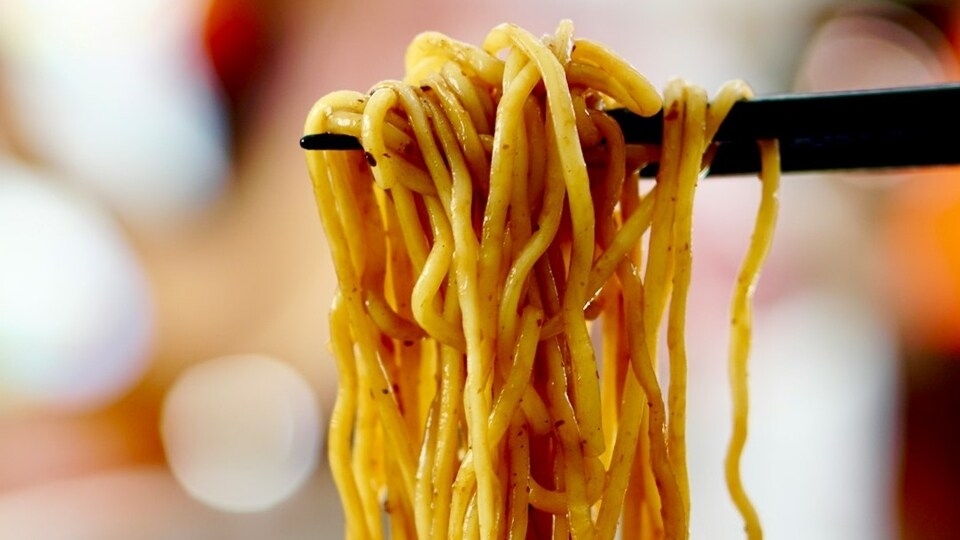
Eating instant noodles can be comforting, especially because they are so easy to make. However, Dr Vora explains that this comes at the cost of your health.
Instant noodles are loved for all the right reasons - they’re tasty, comforting, and ready in minutes with almost no effort. It’s no surprise they’ve become a go-to meal for students, office-goers and anyone craving a quick bite. But their convenience comes at a cost. Despite their popularity, instant noodles are ultra-processed foods packed with artificial additives that can be harmful when eaten regularly.
Dr Manan Vora, a Mumbai-based orthopaedic surgeon, health educator, and NutriByte Wellness co-founder, is warning against overconsuming instant noodles and explaining exactly why they are harmful for your health. In an Instagram video posted on December 1, the surgeon emphasises, “Eating something like this once in a while won’t destroy your health…but relying on it regularly will catch up with you. Shift to real food. Protect your gut, your energy, and your long-term health.”
Stop eating instant noodles every day
According to Dr Vora, “Instant noodles aren’t ‘instant comfort’. They’re instant damage. And brands aren’t even hiding it anymore. Especially products like Buldak ramen that have become a Gen Z obsession. Flip the pack and you’ll find the same three red flags in most of these noodles.” The surgeon outlines the three main ingredients that make instant noodles extremely harmful for your health when consumed frequently.
TBHQ
TBHQ or Tertiary Butylhydroquinone is a synthetic preservative which is used to extend shelf life of packaged or ultra-processed foods. According to tbhq.org, it is an artificial antioxidant which prevents fats and oils from oxidising and losing flavour. Dr Vora states that it is “linked to oxidative stress when consumed frequently, and it puts unnecessary load on your system.”
Polystyrene cups
Most ready-to-eat cup noodle brands use polystyrene cups - a type of synthetic plastic - for packaging. Pouring hot water into the cup and eating directly from it might be convenient but it poses the risk of microplastics that cause several health issues. Dr Vora highlights, “The moment you add hot water, microplastics can leach out. These plastics enter the body and increase inflammation and irritate your gut over time.”
Artificial flavours, colours and MSG
The surgeon emphasises that instant noodles are loaded with artificial colours, synthetic flavours and MSG (monosodium glutamate) - a chemical flavour enhancer that makes them taste highly palatable and addictive. Dr Vora explains, “This is an ultra-processed formulation that is used to improve the taste. It spikes cravings. And this product is only made to survive on the shelf.”
Note to readers: This article is for informational purposes only and not a substitute for professional medical advice. It is based on user-generated content from social media. HT.com has not independently verified the claims and does not endorse them.


Catch your daily dose of Fashion, Taylor Swift, Health, Festivals, Travel, Relationship, Recipe and all the other Latest Lifestyle News on Hindustan Times Website and APPs.


