
 E-Paper



Is it necessary to treat kidney disorders with radiology? Expert offers insights

 Prefer HTon Google


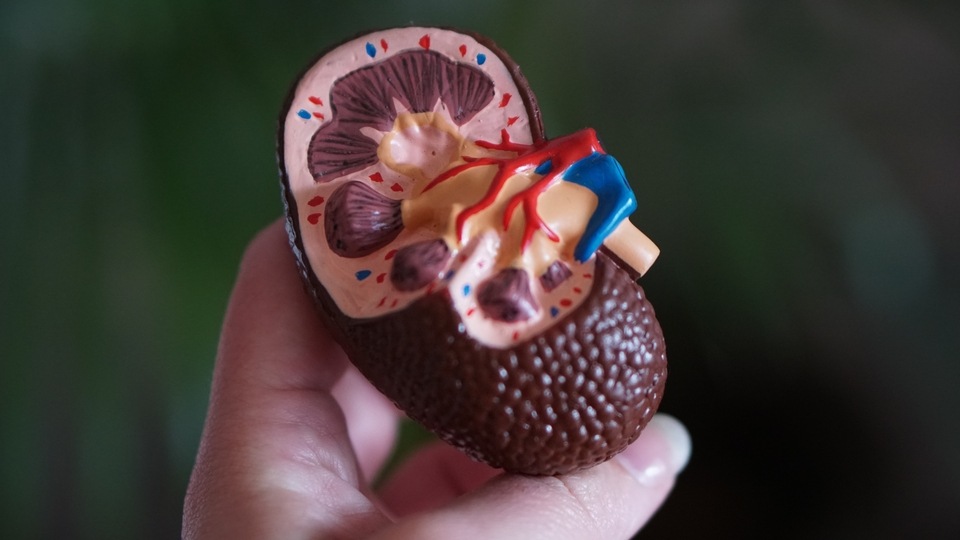
From treating chronic kidney diseases to detecting various kidney disorders, how interventional radiology is used in the medical field – know all about it.
Kidneys are important for filtering the blood and removing the excess waste and fluid. It helps in keeping the blood clean of waste in the body. Kidneys are one of the most important parts of the urinary system of the body. The work of the urinary system is to filter the blood and create urine as a by-product. The urinary system, other than kidneys, also consist of renal pelvis, ureters, bladder and urethra.
When the waste removed by the kidneys accumulate over a period of time, the kidneys have a chance of failing. The symptoms of kidney disorders of kidney failure develop over a period of time. Sometimes, kidney disorders can be detected through blood tests, even after showing no symptoms. The symptoms can vary as well. At an earlier stage of kidney disorder, medication can help in controlling and regulating the symptoms. However, at a later stage, dialysis – a blood filtering procedure with machine – and kidney transplant may be required.
ALSO READ: Research finds correct diet can help safeguard against acute kidney injury
There is also another procedure of controlling the kidney disorders. Radiology is a minimally invasive procedures to help you heal faster and with less pain if you have kidney failure or chronic kidney disease. But, is it necessary to treat kidney disorders with radiology? In an interview with HT Lifestyle, Sunita Dube, MD Radiologist said, “For patients with renal failure or chronic kidney disease, interventional radiology is a minimally invasive diagnosis and treatment option. Interventional radiologists diagnose and deliver precise treatment via a small tube, or catheter, guided by advanced imaging as a safer, less painful alternative to surgery. The interventional radiology team treats a variety of kidney conditions in collaboration with nephrologists and urologists.”
She further added that even though there has been an explosion of technology in treating kidney disorders and imaging modalities, old radiographs are still used to detect and diagnose chronic kidney diseases. “Plain radiographs (x-rays), ultrasound, computerised tomography (CT), magnetic resonance imaging (MRI), and angiography are among the various tools available,” she added.


