
 E-Paper



Kidney Cancer: What it means when the cancer is advanced; know the stages


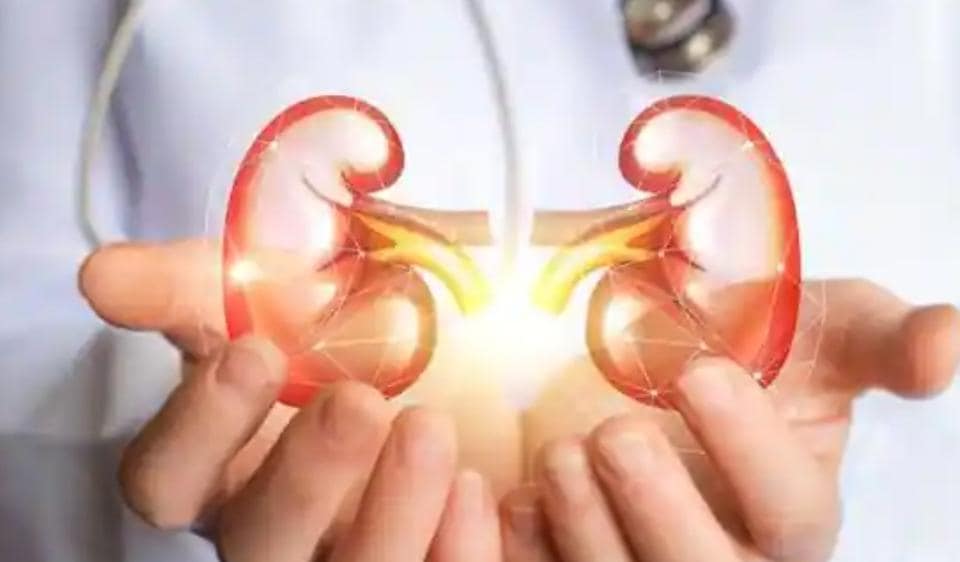
Kidney Cancer: People may not report any pain in the initial stage of kidney cancer, but one should be watchful of sudden changes in the body.
Kidney cancer is known to be a silent killer. In early stages there are hardly any specific symptoms that point to malignancy and one may not know there's a tumour in their kidney unless it is incidentally revealed in a scan or ultrasound done for some other problem.
People may not report any pain in the initial stage of kidney cancer, but one should be watchful of sudden changes in the body.
"When someone is diagnosed with cancer, they go through a process known as staging – wherein the spread of cancer in the body and how best it can be treated is determined. There are four stages, 1 to 4, with the higher number indicating an increased spread of the disease in the body. The stages are determined based on the size of the tumour, the spread of the cancer to the lymph nodes and other organs, such as the lungs, liver etc. (known as metastasis). Kidney cancer is commonly known as renal cell carcinoma in adults," says Dr. Pankaj Wadhwa, Director, Endourology & Laser surgery, Urology and Andrology, Kidney and Urology Institute, Medanta Hospital Gurugram.
ALSO READ: World Cancer Day: Early signs of kidney cancer you should not ignore
Signs of advanced stage kidney cancer
"The symptoms of kidney cancer usually manifest themselves in the later stages, as the cancer progresses. There may be blood in your urine, pain in the back, loss of appetite, drastic weight loss, tiredness, and fever," says Dr Wadhwa.
Who is at risk
People who lead unhealthy and sedentary lifestyles such as smokers and those who are obese are at higher risk. In addition, those who consume alcohol regularly, suffer from hypertension, and patients receiving long term dialysis to treat chronic kidney failure, are all at risk of developing kidney cancer.
"At times, kidney cancer can occur due to genetics, if there is a family history of the same. Those who have von Hippel-Lindau disease, Birt-Hogg-Dube syndrome, tuberous sclerosis complex, hereditary papillary renal cell carcinoma or familial renal cancer are also at risk," says the expert.
Dr Wadha also explains the different stages of kidney cancer:
• In stage 1 the tumour is 7 centimeters or smaller and is present only in the kidney. There is no spread to the lymph nodes or the distant organs.
• In stage 2, the tumour is bigger than 7 centimeters but, still, only present in the kidney. There is no spread to the lymph nodes or distant organs. Stage 2 may also see the growth of the tumor in the renal vein or into the kidney.
• In stage 3, the cancer or tumour is of a large size, may be present outside the kidney, and may spread to the lymph nodes but not to distant organs.
• In stage 4, the cancer grows beyond the Gerota’s fascia (a fibrous, collagen filled connective tissue that covers the kidneys and adrenal glands) and the adrenal gland on top of the kidney. It may or may not have spread to the nearby lymph nodes. Late Stage 4 indicates that the tumor has spread to distant lymph nodes and/or other organs.

Catch your daily dose of Fashion, Taylor Swift, Health, Festivals, Travel, Relationship, Recipe and all the other Latest Lifestyle News on Hindustan Times Website and APPs.


