E-Paper



Liposuction: is it really worth the risk?

 Prefer HTon Google


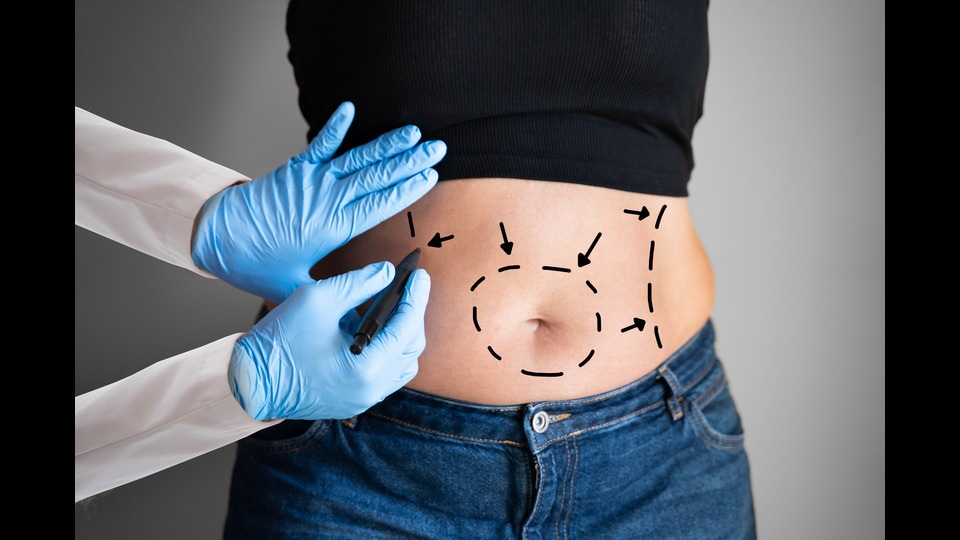
The tragic death of a Kannada actor has brought the popular fat-loss procedure under scanner. We speak to experts to know more about the surgery
Chethana Raj, a 21-year-old budding actor, lost her life due to complications after undergoing liposuction, a fat reduction procedure, at a private facility in Bengaluru last month. While this was the first case that created an uproar around the procedure, there are more names from the industry who have met a similar fate, such as Telugu actor Aarthi Agarwal, who died in the US weeks after the treatment in 2015.
Liposuction explained
Liposuction is promoted as a safe procedure, but these cases have sounded an alarm. Dr Rashmi Taneja, senior consultant, plastic, cosmetic, craniofacial and reconstructive surgery, Fortis Flt Lt Rajan Dhall Hospital, Delhi, explains that liposuction is “not a weight loss tool and it does not lead to a large amount of weight loss”. It is, instead, a tool to refine areas of the body, like double chin, arms that are disproportionately heavy, love handles, thigh or belly fat, or saddle bags. “It is meant to improve contours and remove localised stubborn areas of fat, which a person is unable to lose despite diet, exercise and lifestyle changes. It should be the last resort,” says Taneja.
There are two types of liposuction procedures — of less than five litres and more than five litres — and the former is considered safer. Notably, three litres of liposuction does not translate into 3 kg of weight loss. “The amount of liposuction in one sitting should be five litres. If more is needed, it should be done in multiple sittings,” adds Taneja.
The ideal patient
Liposuction is also not a permanent removal of fat. Fat cells can re-accumulate if the person does not incorporate healthy diet and exercise in their routine. An ideal candidate for the surgery is someone with BMI (body mass index) between 25-30. As the weight and BMI increase, the risks and adverse outcomes could rise manifold.
“Liposuction is safe, but any surgical procedure can go wrong. The ideal patient for liposuction is a young and fit person who is not morbidly obese, but just has a few areas with resistant body fat. Patients with relatively firm skin benefit the most from this technique. Those who have serious medical ailments and age-related issues should be treated with extreme caution,” explains Dr Rashmi Sharma, dermatosurgeon, Rosewalk Hospital, Delhi.
Speaking about her experience, Kanti Khanna, an engineer from Delhi, who underwent the surgery last year, shares, “It was painful like other surgeries, but I chose a top-class hospital to avoid any risk factor. I was aware of how it can affect the lungs and heart in the worst-case scenario. One needs all medical facilities and an experienced doctor.”
Adding to this, Dr SS Gambhir, plastic surgeon, Sir Ganga Ram Hospital, Delhi, says, “The procedure should be done in hospitals where all safety measures are followed and backup is available.”
The average cost for liposuction can vary, starting from ₹1 lakh, depending upon the areas to be operated on and the technique being used. “The average recovery time is three months. Though the majority of the swelling and bruising can be healed within one month,” says Taneja.
Don’t confuse it with bariatric surgery
“People who are morbidly obese (BMI over 30) or have metabolic disorders and comorbidities, should consider bariatric surgery as a weight loss tool,” adds Taneja. Bariatric surgery is different from liposuction. In addition to weight loss, the former treats comorbid conditions such as diabetes, obstructive sleep apnea, hypercholesterolaemia, hypertension and infertility as well.
Know the risks
The risks involved range from infection, bleeding, fluid collection called seroma or blood collection called hematoma.
There can be minor risks like asymmetry or contour irregularity of the area that is operated on, or accentuated cellulite.
Grave risks associated with liposuction, particularly large- volume liposuction, include fluid overload, loss of blood, fat embolism, deep vein thrombosis, pulmonary embolism (blood clotting) and death due to these complications.
Post surgery care
High protein diet and fluid intake is recommended.
Patient is advised to get back to normal activities within two days.
Heavy exercises, gym and wearing pressure garments should be avoided for at least four weeks after surgery.
They are advised to watch their diet for at least two weeks post surgery.
(Inputs from Dr SS Gambhir, plastic surgeon)