
 E-Paper



Low-dose radiation therapy may reduce inflammation and improve heart function: Study

 Prefer HTon Google


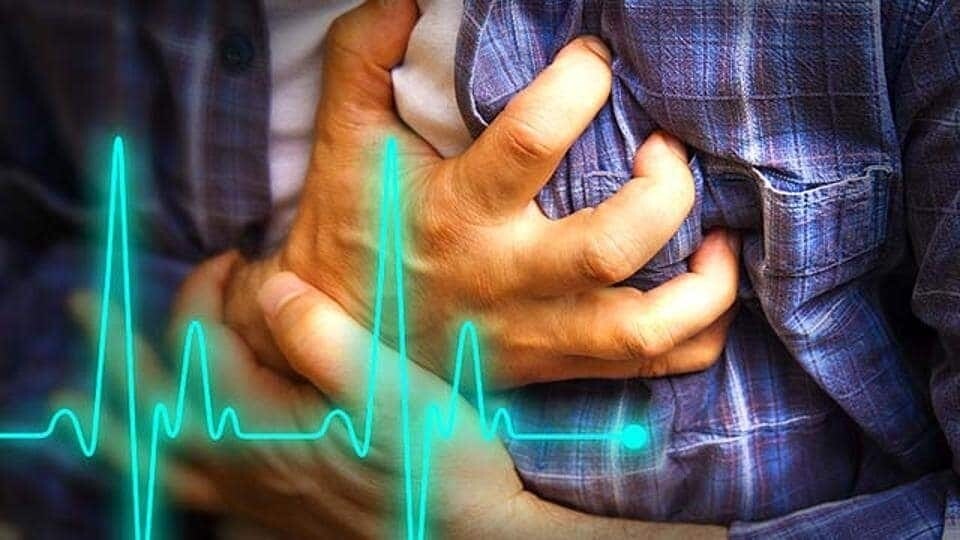
The research team observed that low-dose radiation therapy improves heart function in various forms of heart failure.
Cardiologists and radiation oncologists at the Washington University School of Medicine in St Louis pioneered the use of radiation therapy -- a tactic generally employed against cancer -- to treat patients with ventricular tachycardia, a potentially fatal irregular heart rhythm. The research team discovered that low-dose radiation therapy appears to enhance heart function in various forms of heart failure after analysing the cardiac effects of radiation in a small number of these individuals and modelling the effects of low-dose radiation in mice with heart failure.
More research is needed before the researchers can test this therapy in heart failure patients, but the study implies that the effects of radiation on wounded hearts with high levels of inflammation may be more variable -- and maybe helpful -- than previously recognised. According to the study, which was published in the journal Med, low-dose radiation therapy improves cardiac function, at least in part, by reducing the amount of inflammatory immune cells in the heart muscle.
"The radiation therapy used to treat ventricular tachycardia is targeted to a specific location in the heart; however, a large portion of the rest of the heart gets a low-dose exposure," said co-senior author and cardiologist Ali Javaheri, MD, PhD, an assistant professor of medicine. "We wanted to understand the effects of that low-dose radiation on these patients' hearts. There was concern that it could be harmful to overall heart function, even though it treats dangerous arrhythmia. We were surprised to find the opposite: Heart function appeared to be improved after radiation therapy, at least in the short term."
About 6.2 million American adults currently live with heart failure, according to the Centers for Disease Control and Prevention. More than half of heart failure patients hospitalised for the condition die within five years of that first hospitalisation, demonstrating a need for better therapies. A failing heart gradually loses its ability to properly supply the body with oxygenated blood. A complex condition, heart failure can have diverse triggers, including a past heart attack, viral infection or chronic arrhythmias such as ventricular tachycardia.
A group of nine patients with ventricular tachycardia was evaluated with a cardiac MRI before and after radiation treatment, with the MRIs showing improved heart function soon after radiation. In particular, the patients' hearts showed improved pumping capacity of the left ventricle, which supplies blood to the entire body. The improvement was seen a few days after treatment, so it was deemed unlikely to be due to the reduction of the arrhythmia, which happens more gradually over the ensuing weeks and months.
The researchers also studied the effects of similar low-dose radiation on the heart in groups of mice with heart failure from three different causes. Similar to what was observed in human patients, the researchers found improved heart function in mice receiving radiation therapy, especially in the left ventricle. In mice with progressive heart failure, radiation therapy increased the survival of the animals, indicating that improvements in heart function translated to improved survival.
The researchers found that the failing mouse hearts that received radiation had reduced fibrosis -- or scar tissue -- and reductions in cardiac macrophages, a type of immune cell that can drive inflammation in the heart. In general, the irradiated hearts had fewer cells that proliferate quickly -- such as immune cells and fibroblasts -- which tend to contribute to worsening heart failure. In contrast, normal heart muscle cells generally do not divide often, if at all.
"We know that rapidly dividing cells -- such as cancer cells, for example -- tend to be more susceptible to death by radiation," said co-senior author and radiation oncologist Carmen Bergom, MD, PhD, an associate professor of radiation oncology. "The effect we see in these hearts is likely more complex than a simple reduction of rapidly dividing inflammatory immune cells. We are continuing our research to delve more deeply into what else may be happening, but we have been pleasantly surprised to see evidence that low-dose radiation in these hearts may reduce inflammation and help remodel the heart in a way that is beneficial."


