
 E-Paper



Monsoon scalp struggles: Doctor shares 4 reasons why dandruff flares up during rainy season and how to manage

 Prefer HTon Google


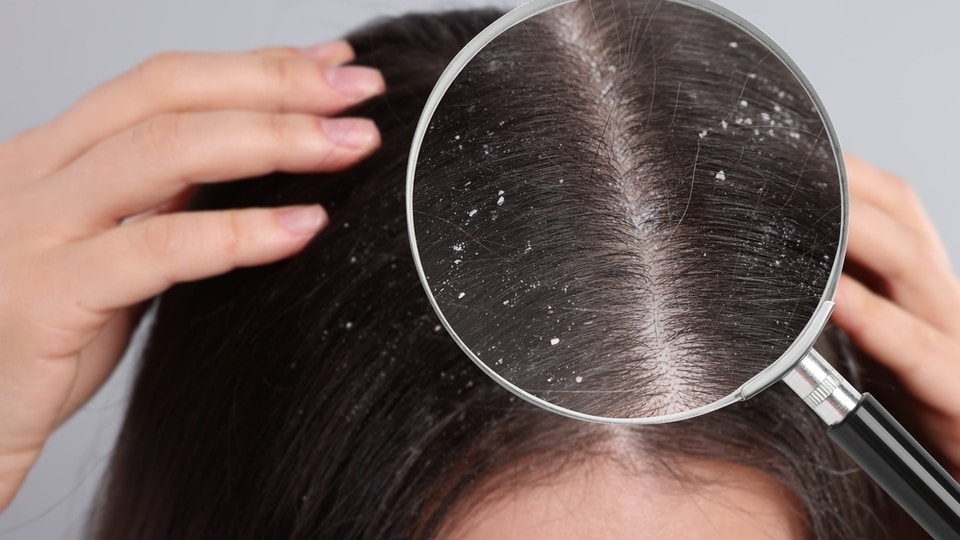
Know the reasons behind why your scalp is acting up during the monsoon and what you can do about it. This expert-backed guide covers all essentials.
Monsoon season brings cool air and cosy weather, but it also quietly invites trouble with a host of skin and haircare issues, particularly increasing dandruff. Even when your haircare routine seems in check and going all fine, the sudden onslaught of humidity, sweat, and rain during monsoon may throw your scalp health completely haywire. You need to be well-informed about seasonal dandruff to be able to tackle it.
ALSO READ: Can you get rid of dandruff permanently? Dermatologist answers
Dr Vishalakshi Viswanath, Consultant Dermatology at KIMS Hospitals, Thane, shared with HT Lifestyle how dandruff increases during monsoon and how one can manage it easily.
Explaining the basics, she elaborated, “Dandruff is not merely a dry scalp or just a cosmetic problem. The causes of dandruff are multifactorial. Increase in sebum production (oiliness of hair), colonisation of the scalp by a yeast fungus (Malassezia) and individual susceptibility (genetic, hormonal, stress) can contribute to dandruff issues. Many seasonal factors disrupt the scalp skin barrier function, leading to increased sebum production and yeast colonisation, thereby worsening dandruff.”
Dr Viswanath shared a guide, outlining all the essentials you need to know about monsoon dandruff, from the reasons, treatments, to when one should visit a doctor:
4 reasons why dandruff worsens in monsoons
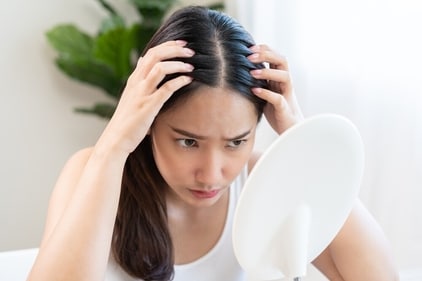
1. Increased humidity:
High moisture content and humidity cause an increase in scalp yeast.
2. Rainwater exposure and wet hair:
A damp environment facilitates Malassezia overgrowth
3. Excessive scalp sweating:
A humid atmosphere, leading to excessive scalp sweating and oiliness, causes scalp irritation and inflammation
4. Infrequent hair wash:
Often, people avoid regular hair wash during monsoons, leading to an oily scalp and an increase in yeast
How to control dandruff?
1. Anti-dandruff shampoos:
- Shampoos are the mainstay of dandruff control; ketoconazole, zinc pyrithione, and salicylic acid-based shampoos are often available over the counter (OTC).
- Newer anti-fungal-based shampoos can be used in stubborn cases on a dermatologist’s recommendation.
2. Regular hair wash:
- Twice or thrice weekly hair wash with a leave-on time of five to ten minutes for the action of actives in the shampoos should be done.
3. Maintain scalp hygiene:
- Keep the hair dry, avoid tying wet hair, dry your hair gently if you get wet in the rain, avoid harsh hair products (SLS, parabens) or heavy oils and leave oil on the scalp only for a few hours.
4. Maintain a healthy diet and lifestyle:
- A balanced diet rich in zinc, omega-3 fatty acids and antioxidants, along with stress management, can help prevent dandruff flares.
When to visit a doctor?
- If there is excess flaking, itching, oozing or your dandruff is uncontrolled with OTC products, do consult a dermatologist.
- If dandruff is left untreated, it can progress to seborrheic dermatitis and involve areas beyond the scalp, disrupt scalp health, lead to hair thinning, and cause secondary skin issues like forehead acne. Dandruff has to be differentiated from scalp psoriasis.
The dermat concluded, “Appropriate consultation with board certified dermatologist for individualised treatment approach and stubborn dandruff is mandatory.”
Note to readers: This article is for informational purposes only and not a substitute for professional medical advice. Always seek the advice of your doctor with any questions about a medical condition.


Catch your daily dose of Fashion, Taylor Swift, Health, Festivals, Travel, Relationship, Recipe and all the other Latest Lifestyle News on Hindustan Times Website and APPs.


