
 E-Paper



MS Dhoni-backed Bengaluru start-up Tagda Raho is turning Indian gada into a workout for Gen Z and even 70-year-olds

 Prefer HTon Google


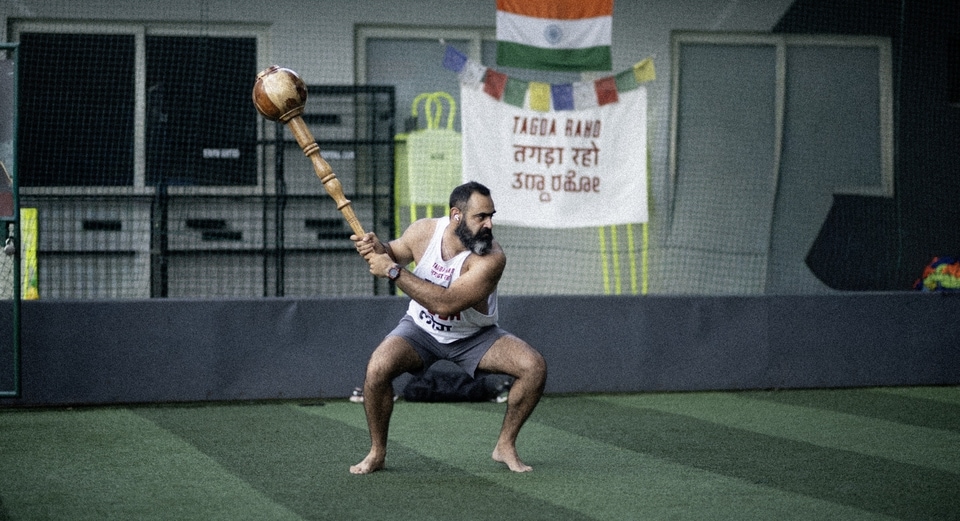
Tagda Raho, a Bengaluru-based startup, is moving traditional Indian equipment like the gada and mudgar from rural akhadas into the modern urban fitness scene.
In the heart of India’s Silicon Valley, a fitness revolution is brewing that swaps high-tech treadmills for ancient wooden clubs. Tagda Raho, a Bengaluru-based fitness startup, is successfully rebranding traditional Indian strength training — the gada (mace) and mudgar (club) — as a science-backed solution for the modern urbanite. Also read | Bengaluru startup ‘Tagda Raho’ gets shoutout from PM Modi in Mann Ki Baat
The brand's rise has been nothing short of meteoric. From being lauded by Prime Minister Narendra Modi on Mann Ki Baat for its 'fusion of ancient Indian strength training with modern techniques' to securing investment from cricket legend MS Dhoni, the startup is now training the nation’s elite. In one of their most significant milestone to date, Tagda Raho was invited by the Para Special Forces of the Indian Army to create a specialised training capsule for their soldiers.
In an interview with HT Lifestyle, founder Rishabh Malhotra shares how a personal tragedy birthed a fitness movement. For Rishabh, the gada and mudgar aren't just cultural relics; they are the tools that saved his life.
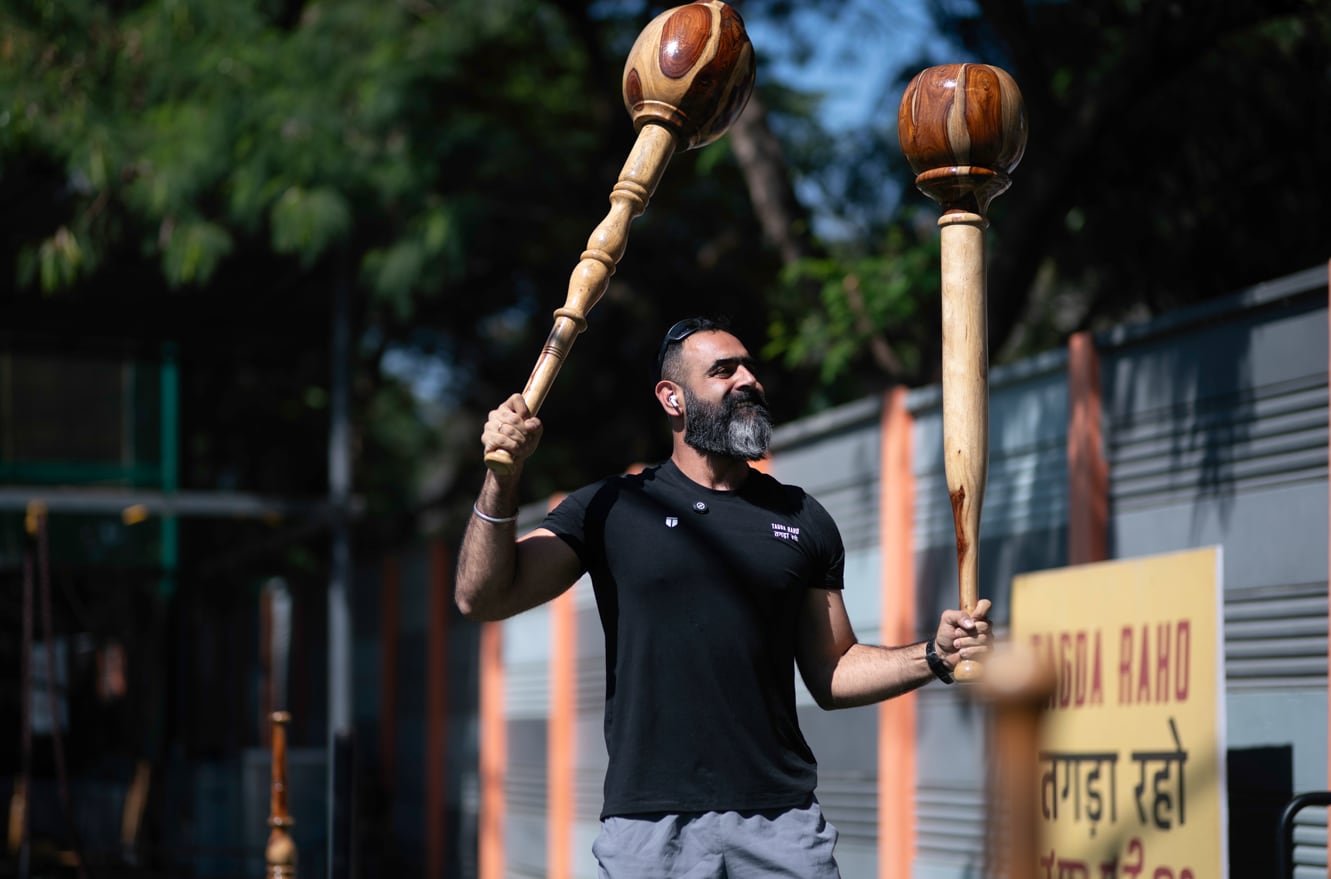
The 'aha' moment: a journey through paralysis
"The AHA moment for me was fairly personal... I had an arm that was left 75 percent paralysed because of a condition known as bacterial neuritis," he reveals, adding, "I really couldn't use the arm for anything else, and it is through a consistent use of the mudgar and the gada that I actually got my arm back after doctors had written off every other possibility."
Seeing his own recovery sparked a realisation that these tools belonged in the gym, not the museum. "It wasn't a piece of relic... it was something that was here, it was present and it was meant to be here and perhaps I was the conduit through which it could have been brought back into mainstream," Rishabh says.
Beyond the 'akhada'
Traditional Indian fitness has long been associated with rural akhadas (wrestling pits). To bridge the gap with the urban professional, Rishabh focused on accessibility and biomechanics rather than nostalgia alone. "We did not rebrand it by putting a new costume on it. We made a format that is more accessible," Rishabh explains.
"By adding structure we have been able to personalise the entire format for people and I think that is what sort of help us reach out to and connect with the urban population today," he says.
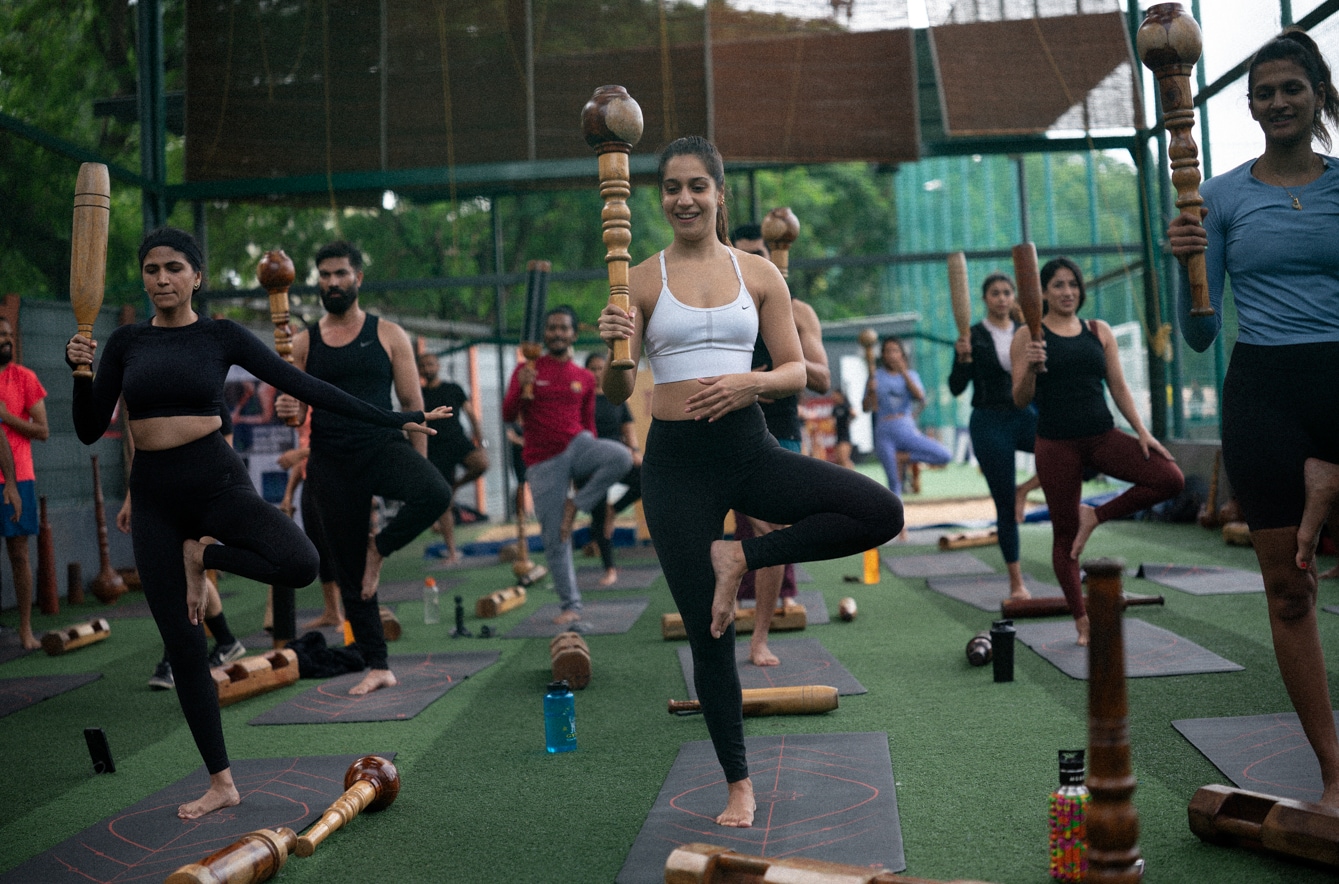
The core of the workout lies in off-centre loading. Unlike a balanced dumbbell, the gada's weight is always working against the user. "When you actually swing an equipment or weight, you are teaching your body to manage force... you are going to be using your grip, forearms, trunk and your hip, glutes to ensure the body is stable. Ours is not a format that isolates a muscle group... you want to treat and train your body to fire as a single unit," Rishabh says.
Bulletproofing the body
While 'bulletproofing' is a bold claim in fitness, Rishabh stands by the resilience this training builds in joints and the spine: "We are training for control along with load. With the gada and mudgar, your shoulders are not just pressing or pulling. They are actually learning to stabilise... your body is able to be stable when you’re lifting and swinging weight upwards of 8 kg, which is in one second pulling you in one direction and the other in the other direction."
The Tagda Raho experience
For the busy professional choosing between a standard gym and Tagda Raho, the startup offers a unique, integrated approach. The typical session's duration is 60 to 70 minutes.
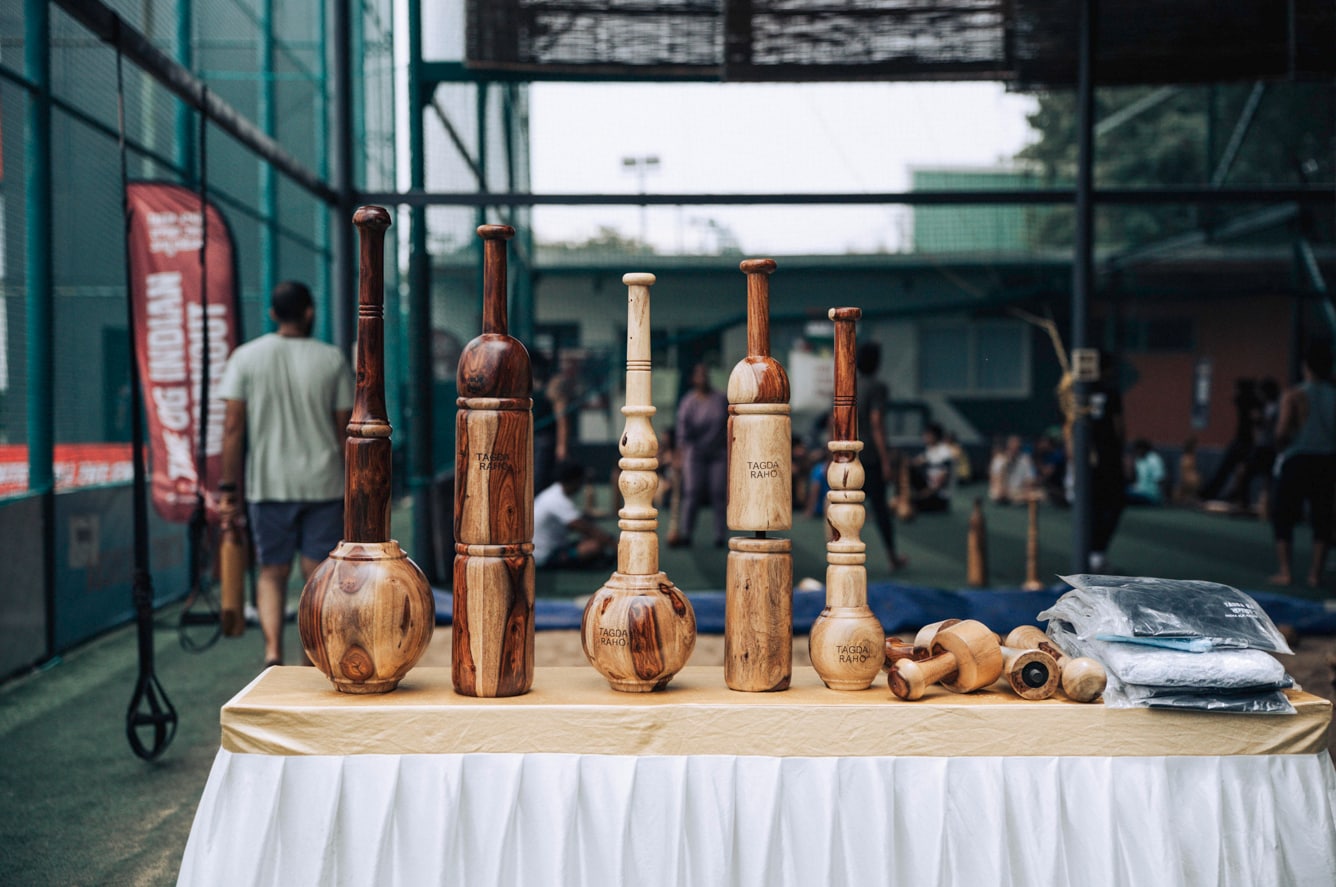
⦿ Format: Circuit-based training with 7–9 different movements (bodyweight, gada, samtola, and mudgar).
⦿ Focus: Full-body movement rather than compartmentalised isolation.
⦿ Cost and inclusions: monthly membership is ₹4,999 and physio support is included in the package.
"We don't charge anything extra for all our members for their physio," says Rishabh. "Since my entire journey... started because of an injury... I realised how important it is for your rehabilitation person to be in touch with your coach. Here at Tagda, we've ensured that they are all in the same system," he adds.
From Gen Z to 74-year-olds
The appeal of the gada spans generations, though for different reasons. While Gen Z looks for 'experiences' and variety, the older demographic seeks longevity. "Our retention with 30-plus is almost at about 75 percent. And that's because they've lived their journey through other formats of fitness... they've found something that's worked for them," Rishabh notes. "Our oldest member happens to be 74-years-old," he adds.
A lesson in longevity
In a world currently obsessed with high-intensity interval training (HIIT), Rishabh believes the Indian philosophy of physical culture offers a necessary balance: "Intensity is not the only ingredient that measures fitness... If you look at what Indian physical culture has been built on, it's been built on repetition, it's been built on rhythm, it's been built on breath, patience. And the biggest direction is longevity."
As Tagda Raho continues to expand, backed by the Indian Army and MS Dhoni, Rishabh's advice for those starting their fitness journey is simple: know your 'why'. "If your motivation to get into fitness is to look like XYZ, it's a great starting point... but there will be a point where you'll have to go beyond it and get a little more personal," he concludes.
Note to readers: This article is for informational purposes only and not a substitute for professional medical advice. Always seek the advice of your doctor with any questions about a medical condition.


Catch your daily dose of Fashion, Taylor Swift, Health, Festivals, Travel, Relationship, Recipe and all the other Latest Lifestyle News on Hindustan Times Website and APPs.


