
 E-Paper



Neurologist reveals how serious is Salman Khan's health condition: Everything to know about trigeminal neuralgia

 Prefer HTon Google



Salman Khan suffers from trigeminal neuralgia that causes intense, shock-like pain on one side of the face. Know common triggers, impact on daily life and more.
Actor Salman Khan recently revealed on The Great Indian Kapil Show that he's living with several serious health conditions, including a brain aneurysm and arteriovenous malformation. Salman Khan also suffers from trigeminal neuralgia, a chronic pain disorder affecting the trigeminal nerve in his face. In an interview with HT Lifestyle, Dr Furqan Khan, consultant neurologist, Saifee Hospital, Mumbai shared everything you need to know about trigeminal neuralgia. Also read | Salman Khan reveals struggle with brain aneurysm: Know about the medical condition, risk factors, diagnosis, treatment
What is trigeminal neuralgia?
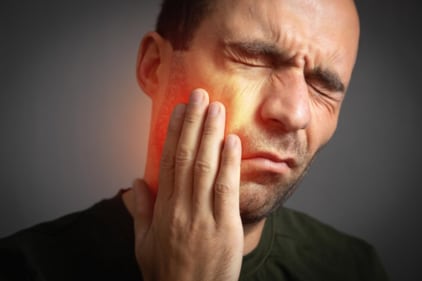
Dr Khan said, “Trigeminal neuralgia is a chronic condition of the nerves that causes sudden, extreme, electric-shock-like pain on one side of the face. It is typically brief but intense and can be brought on by slight movements such as eating, tooth brushing, talking, or even a light breeze. It affects the trigeminal nerve, which carries facial sensations to the brain.”
Salman also mentioned he's been dealing with this condition for many years, while continuing to work in the film industry. But what are the risks of continuing high physical activity or frantic work habits with a brain aneurysm or arteriovenous malformation (AVM)?
According to Dr Khan, “Long periods of intense exercise or stressful programs with an aneurysm or AVM are risky. Exercise that raises blood pressure, like weightlifting or extreme cardio, can increase the risk of rupture, leading to potentially lethal brain bleeds. Poor rest, dehydration, and uncontrolled stress are also factors in the risk of rupture. Medical clearance and personalised exercise advice are important.”
How serious is this condition?
Dr Khan said, “Though these conditions are serious, the majority of individuals manage them well with appropriate treatment and follow-up. Trigeminal neuralgia may be treated with medication or operations. Brain aneurysms and AVMs, if not ruptured and at low risk, are simply followed or treated with operation or endovascular therapy. Lifestyle change, emotional support, and regular follow-ups enable patients to live active and full lives.”
Trigeminal neuralgia symptoms, risk factors, treatment
Dr Khan also shared the signs, risk factors, and treatment of trigeminal neuralgia:
⦿ Symptoms: “Extremely severe, one-sided facial pain with stabbing, often precipitated by routine activities,” he said.
⦿ Risk factors: “Typically, compression of the trigeminal nerve by a blood vessel. Other causes are multiple sclerosis, tumours, nerve injury, or previous surgery. Women above age 50 are more commonly affected,” Dr Khan added.
⦿ Treatment: He further said, “The first line of treatment includes medications like carbamazepine. Failing which, the options are Botox injections, microvascular decompression surgery, radiofrequency ablation, or gamma knife radiosurgery.”
Symptoms, causes of brain aneurysm and AVM
In addition to trigeminal neuralgia, Salman is also dealing with other serious health conditions, including brain aneurysm, a bulge in a weakened blood vessel that can lead to a potentially life-threatening hemorrhagic stroke if it ruptures, and AVM, a rare condition involving abnormal blood vessel connections in the brain, disrupting normal blood flow and potentially leading to serious neurological issues.
Dr Khan also shared the symptoms, risk factors, causes, and treatment for a brain aneurysm:
⦿ Symptoms:
Unruptured: Typically, no symptoms; can cause headaches or vision changes.
Ruptured: Sudden, severe headache ("worst ever"), vomiting, loss of consciousness, seizures.
⦿ Risk factors/causes
Uncontrolled hypertension, smoking, heredity, head injury, infection, or connective tissue disease. Females, especially post-menopausal, are at higher risk.
⦿ Treatment
Unruptured aneurysms may be watched, surgically clipped, or endovascularly coiled. Ruptured aneurysms require emergency treatment.
What are the symptoms, risk factors, causes, and treatment for arteriovenous malformation (AVM)? According to Dr Khan:
⦿ Symptoms: Headaches, seizures, neurological deficits (e.g., weakness, vision change), memory defects, or brain bleeding.
⦿ Risk factors/causes: AVMs are usually congenital and result from defective blood vessel formation during fetal development. There is evidence of slight male predominance.
⦿ Treatment: Varies by size and location. Options include surgical removal, endovascular embolisation, stereotactic radiosurgery, or observation for minimal risk. Often, a combination of treatments is used for the best effect.
Note to readers: This article is for informational purposes only and not a substitute for professional medical advice. Always seek the advice of your doctor with any questions about a medical condition.


Catch your daily dose of Fashion, Taylor Swift, Health, Festivals, Travel, Relationship, Recipe and all the other Latest Lifestyle News on Hindustan Times Website and APPs.


