
 E-Paper



New Covid variant Arcturus or XBB.1.16: What people with chronic diseases should do amid rise in cases

 Prefer HTon Google


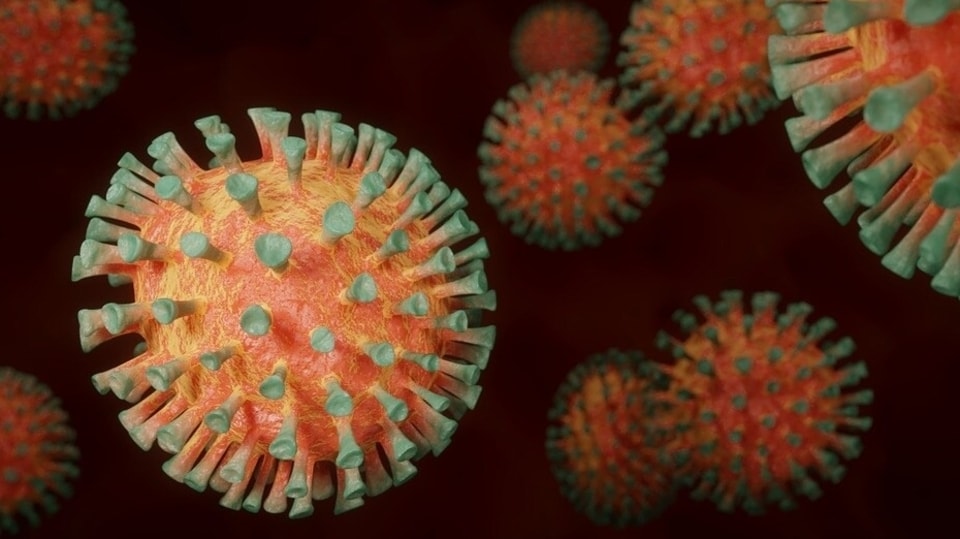
A new Covid variant Arcturus or XBB.1.16 is leading to rise in infections across the country. Here's what people with chronic diseases should do.
Covid variant Arcturus or XBB.1.16 is driving the current surge of Covid infections across the country and while this has left people worried, experts assure that there is no need to panic and with social distancing, masking, vaccination and other precautions, one can curb the spread. While people infected with Covid are largely reporting mild symptoms, those who have chronic diseases need to be careful as experts warn they are at risk of severe complications from the disease. Experts note that people with diabetes, blood pressure or other chronic diseases may have more risk of ICU admission and death as compared to others and thus it's important for them to manage their disease well. (Also read: Covid XBB.1.16: Symptoms of new Covid variant Arcturus in adults, children and elderly)
"Cardiovascular disease risk is increased in such patients. Diabetes mellitus causes micro and macrovascular problems, including cardiovascular disease. It has been shown that diabetic people with Covid-19 are at a greater risk of developing it. Covid-19 might cause an increase in blood pressure, so make sure to take your medicines as prescribed. Ask your doctor if you should start monitoring your blood pressure at home or adjust your medications. If you're unwell, you should check your blood sugar more frequently. If it remains above 250 mg/dL, see your doctor," says Dr Aniket Mule, Consultant Internal Medicine, Wockhardt Hospitals, Mira Road.
"Non-communicable diseases such as diabetes, hypertension and other metabolic problems are known as the bedrock for many other life-threatening health conditions. During the second wave of the pandemic, it was widely documented that people with diabetes and poor glycaemic control had 5 times higher rate of ICU admissions and deaths compared to those without the condition. Therefore, it is imperative for them to focus on glycaemic control. A recent study by ICMR revealed that 60% of Indians with diabetes have poor glycaemic control, and we can imagine how challenging it has been for all stakeholders to keep the ICU admissions and fatalities as low as possible in these circumstances," says Dr Arbinder Singal, CEO and Co-Founder, Fitterfly.
“India has witnessed three major waves of Covid-19 so far, which were characterized by different patterns of spread and severity. The second wave has been the most severe and devastating with over 29 million confirmed cases and over 380,000 deaths. The healthcare system was under immense pressure during all waves, but the third wave has shown some signs of improvement with a lower number of cases and higher vaccination rate. However, studies have shown that those living with health conditions such as diabetes, hypertension, obesity, and cardiovascular disease, need to be more vigilant as have a higher risk of severe illness and death from Covid-19,” says Dr. Rajiv Kovil, Diabetologist, Chairperson at Zandra Healthcare, Co-founder of Rang De Neela initiative, Secretary at United Diabetes Forum
Hypertension can cause Covid complications too
Dr Singal says hypertension also affects patients in ways similar to diabetes as far as Covid risk is concerned.
"It was also revealed that in 40% of the people with diabetes, hypertension was a co-existing condition. It has also been observed that in many cases where patients had diabetes and hypertension co-existing, there was a greater occurrence of blood clotting, and the impact of Covid proved to be extremely severe in these instances. Another important thing to note is that in the case of people with severe Covid infections, steroids were administered as medicines, and they can cause a sharp spike in blood glucose," says Dr Singal.
Covid complications that may be faced by diabetics
“For patients with diabetes, Covid-19 can lead to more severe illness and complications, including diabetic ketoacidosis, acute kidney injury, and myocardial injury. Similarly, patients with hypertension may be at higher risk of severe illness from Covid-19, and may be more likely to require hospitalization and mechanical ventilation. It is important for such patients to monitor and manage their blood sugar and blood pressure levels, and to continue taking their medications as prescribed,” says Dr Kovil.
“Finally, the Covid-19 pandemic has had a significant impact on the emotional and mental health of people. All three waves led to widespread fear, uncertainty, and stress, and has disrupted daily life for many people due to social distancing and isolation. The pandemic has also led to economic hardships, loss of jobs, and financial stress for many people, which can further exacerbate mental health problems. A survey conducted by the Indian Psychiatry Society in 2020 found that over 20% of the respondents reported experiencing symptoms of depression, anxiety, or stress-related disorders during the pandemic. In such times, for holistic management of health and well-being, social prescribing has emerged as a trend,” adds Dr Kovil.
How people with chronic diseases can manage Covid
"Isolate the individual who has Covid or is awaiting test results within the home. You and everyone the sick person lives with or has lately lived with are now considered close contacts of a Covid patient," says Dr Mule.
"The most important thing is to continuously monitor blood glucose and blood pressure levels. COVID can cause a spike in both. If there is a rise in blood glucose, then appropriate medication etc. should be taken in consultation with the healthcare specialist," says Dr Singal.
What preventive measures can people take
"Do not enter the same room as the ill individual unless both of you wear a mask covering your mouth and nose. If using cotton masks, they should fit securely and have many layers; surgical masks or N95 masks provide better protection. By cracking up a window, they may keep air moving in their space. Set up a fan aiming out the window if feasible or use an air filtration device that you buy or create.
To keep virus particles out of the air, make sure the ill person coughs into their mask or cloth, or their elbow or a tissue. Tissues should be discarded after one use. Wash your hands frequently and thoroughly with soap or an alcohol rub. Soap or disinfectants can be used to clean surfaces," adds Dr Mule.
"People with diabetes must be extremely careful about their blood sugar levels and regularly monitor them. It is a must to ensure adherence to the medication schedule alongside regular exercise, nutrition, rest, hydration etc. Good blood sugar control of HbA1c of less than 7 and fasting levels of less than 126 can be very helpful in preventing the risk of Covid infections. For achieving a good glycaemic control, lifestyle interventions using as digital therapeutics programs can help. Another important thing is to ensure adequate nutrition through a healthy diet that includes fruits and vegetables and meets the body’s need for micro-nutrients," adds Dr Singal.


