
 E-Paper



New vaccine offers broad protection against coronaviruses that haven’t even emerged yet: Study

 Prefer HTon Google


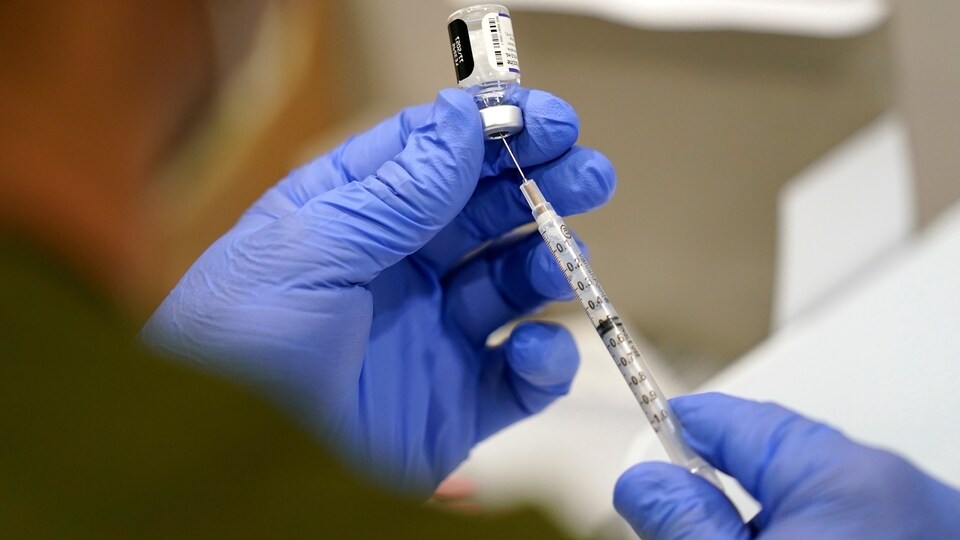
New vaccine collaboration shows promise in protecting against diverse coronaviruses, signaling a significant advance in pandemic preparedness.
The rapid development of vaccines that protect against COVID was a remarkable scientific achievement that saved millions of lives. The vaccines have demonstrated substantial success in reducing death and serious illness after COVID infection. Despite this success, the effects of the pandemic have been devastating, and it is critical to consider how to protect against future pandemic threats. As well as SARS-CoV-2 (the virus that causes COVID), previously unknown coronaviruses have been responsible for the deadly outbreaks of SARS (2003) and MERS (2012 outbreak with ongoing cases).
Meanwhile, several circulating bat coronaviruses have been identified as having the potential to infect humans – which could cause future outbreaks. My colleagues and I have recently shown, in mice, that a single, relatively simple vaccine can protect against a range of coronaviruses – even ones that are yet to be identified. This is a step towards our goal of what is known as “proactive vaccinology”, where vaccines are developed against pandemic threats before they can infect humans.
Conventional vaccines use a single antigen (part of a virus that triggers an immune response) that typically protects against that virus and that virus alone. They tend not to protect against diverse known viruses, or viruses that have not yet been discovered. In previous research, we have shown the success of “mosaic nanoparticles” at raising immune responses to different coronaviruses. These mosaic nanoparticles use a type of protein superglue technology that irreversibly links two different proteins together.
This “superglue” is used to decorate a single nanoparticle with multiple receptor-binding domains – a key part of a virus located on the spike protein – that come from different viruses. The vaccine is focused on a sub-group of coronaviruses called sarbecoviruses that includes the viruses that cause COVID, SARS and several bat viruses that have the potential to infect humans.
As a virus evolves, some parts of it change while other parts remain the same. Our vaccine incorporates evolutionarily related receptor-binding domains (RBDs), so a single vaccine trains the immune system to respond to the parts of the virus that remain unchanged. This protects against the viruses that are represented in the vaccine and, critically, also protects against related viruses that are not included in the vaccine. Despite this success with mosaic nanoparticles, the vaccine was complex, making it difficult to produce on a large scale.
Simpler vaccine
In a collaboration between the universities of Oxford, Cambridge and Caltech, we have now developed a simpler vaccine that still provides this broad protection. We achieved this by genetically fusing RBDs from four different sarbecoviruses to form a single protein that we call a “quartet”. We then use a type of protein glue to attach these quartets to a “protein nanocage” to make the vaccine.
When mice were immunised with these nanocage vaccines, they produced antibodies that neutralised a range of sarbecoviruses, including sarbecoviruses not present in the vaccine. This show the potential to protect against related viruses that may not have been discovered at the time that the vaccine was produced. Along with this streamlined production and assembly process, our new vaccine elicited immune responses in mice that at least matched, and in many cases exceeded, those raised by our original mosaic nanoparticles vaccine.
Given the large fraction of the world vaccinated or previously infected with SARS-CoV-2, there was a worry that an existing response to SARS-CoV-2 would limit the potential to protect against other coronaviruses. However, we have shown that our vaccine is able to raise a broad anti-sarbecovirus immune response even in mice that had previously been immunised against SARS-CoV-2.
Our next step is to test this vaccine in humans. We are also applying this technology to protect against other groups of viruses that can infect humans. All of this brings us closer to our vision of developing a library of vaccines against viruses with pandemic potential before they have had the opportunity to cross over into humans.


