
 E-Paper



Nutritionist shares 5 Japanese habits Indians can adopt for long and healthy life: 'Their meals include small portions'

 Prefer HTon Google



By studying Japan's approach, we can develop effective strategies for promoting healthy ageing and reducing the burden of lifestyle diseases.
Japan has one of the world's oldest populations. Japan's approach to healthy ageing and longevity offers valuable insights. By learning from Japan's example, we can strive to create a healthier, more vibrant society amid a rise in lifestyle diseases such as diabetes, hypertension, and obesity. Also read | Longevity boosters: 8 healthy habits that can add decades to your life, as per researchers
In an interview with HT Lifestyle, Mumbai-based clinical nutritionist Prachi Mandholia discussed what India could learn from Japan’s approach to 'ageing gracefully'. She highlighted how Japan's culture is deeply rooted in health-supporting habits, which we can also emulate.
She said, “To truly emulate Japan’s success in longevity, India doesn’t need to copy, but adapt. Our own heritage, if blended with the wisdom of practices like those in Japan, offers a powerful formula for 'healthspan', not just lifespan. The future of health lies in small, consistent habits. Whether it’s slowing down during meals, walking more, reconnecting with nature, or finding joy in everyday rituals, longevity begins with the choices we make today. Because a longer life is only worth it when it’s also a healthier, happier one.”
1. Food as preventive medicine
Prachi said, “Japanese meals include small portions of rice, seasonal vegetables, soy products, fish, seaweed, and fermented foods like miso and natto, all of which are rich in antioxidants, fibre, and essential nutrients. India, too, has a treasure trove of traditional dietary wisdom rooted in Ayurveda and regional culinary diversity. Lentils, millets, greens, fermented foods like dosa and kanji, cold-pressed oils, and immune-boosting spices like turmeric, ginger, and cumin are already part of our heritage.”
Yet, modern lifestyles and processed food consumption have distanced many from these healthful roots, and to reverse this, we need to revive traditional food practices, eat seasonally, and simplify meals, Prachi said. She added, “Replacing packaged snacks with roasted chana or sprouts, cooking with ghee in moderation, and prioritising home-cooked meals are simple yet powerful steps toward longevity.”

2. Hara Hachi Bu: Eat less, live more
Prachi said, “The Okinawans in Japan follow the principle of 'Hara Hachi Bu', which means eating until you’re 80 percent full.” This prevents overeating and reduces metabolic stress on the body, she added.
“In India, where celebratory eating is common, especially during festivals and gatherings, embracing portion control and mindful eating habits could help reduce rising rates of obesity, diabetes, and heart disease. Simple changes like eating slowly, avoiding second servings, and listening to the body’s hunger cues can make a meaningful difference,” Prachi said.
3. Movement as a way of life
She added that in Japan, physical activity is not limited to gyms – daily walking, cycling, gardening, and even floor sitting keep the body in motion. Movement is organically integrated into everyday life, she said.
Prachi said, “India has many traditional movement practices, such as yoga, classical dance, and even household chores that involve bending, squatting, and stretching. Encouraging regular physical activity in natural settings, such as morning walks in parks, practising surya namaskar, or even tending to a home garden, can greatly enhance flexibility, cardiovascular health, and overall fitness.”
4. The Ikigai principle
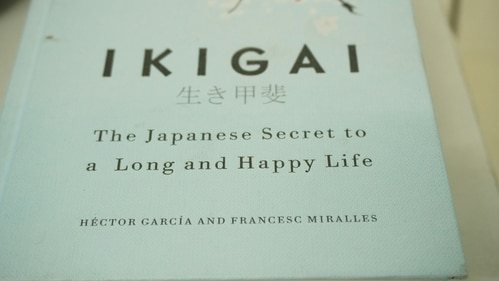
According to Prachi, a core reason for Japan’s healthy ageing is the concept of Ikigai, one’s reason for being. She explained it as 'having a sense of purpose, staying socially connected, and being valued by the community play a vital role in emotional and mental well-being'.
“In India, our family structures and spiritual practices already provide strong social ties. Strengthening community bonds, encouraging the elderly to remain socially active, and promoting lifelong learning can enhance life satisfaction and mental longevity,” Prachi said.
5. Calmness through rituals and nature
She added that the Japanese embrace rituals that promote calmness, such as tea ceremonies, calligraphy, and Shinrin-yoku (forest bathing): “These mindful practices lower stress and promote mental clarity.”
India has its own arsenal of wellness rituals, meditation, chanting, Ayurveda, and temple visits that can be woven into daily life, Prachi said, adding, “Spending time in nature, disconnecting from screens, and engaging in spiritual or artistic practices can help manage stress and foster inner peace.”
Note to readers: This article is for informational purposes only and not a substitute for professional medical advice. Always seek the advice of your doctor with any questions about a medical condition.


Catch your daily dose of Fashion, Taylor Swift, Health, Festivals, Travel, Relationship, Recipe and all the other Latest Lifestyle News on Hindustan Times Website and APPs.


