
 E-Paper



Oncologist reveals if people with a history of bone injury are more prone to bone cancer than others

 Prefer HTon Google


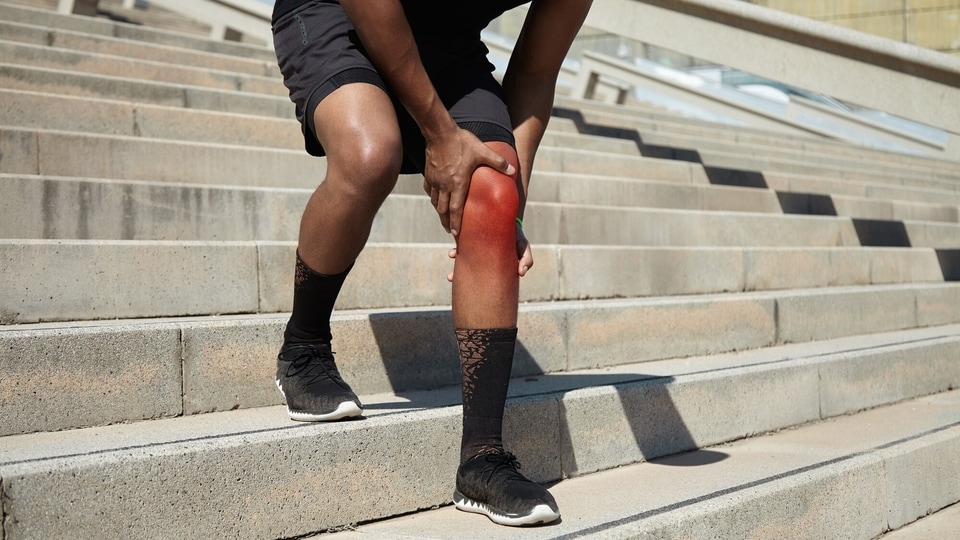
Dr Mishil Parikh highlighted the complex relationship between cancer and bone health – understanding this can help in managing and responding to injuries.
In an interview with HT Lifestyle, Dr Mishil Parikh, consultant, oncology, Sir HN Reliance Foundation Hospital, debunked the myth that bone injuries directly cause bone cancer. According to him, there's no proven relationship between bone injuries and bone tumours. However, an injury to a weakened bone might reveal an underlying tumour. Also read | Bone cancer: Symptoms, diagnosis and treatment
No direct link between bone injuries, bone cancer
Explaining how bone injuries don't directly cause bone cancer, Dr Parikh said, “It’s a myth. There is no proven relationship between bone injury and bone tumours. Just because you had a bony injury or a fracture doesn’t mean that you are more prone to developing a bone tumour. Since bone sarcomas are more common in young children, the parents often present with complaints of falls, banging of the bench or similar history when X-ray shows a bone tumour or a pathological fracture during evaluation.”
How bone injuries can reveal underlying issues
He highlighted that an injury might bring attention to a pre-existing bone tumour or cancer. “Bone injuries do not directly cause bone cancer. However, an injury to a bone weakened by cancer might lead to the discovery of the tumour. In some cases, bone injuries, particularly fractures, can be associated with an increased risk of cancer recurrence or metastasis, especially in individuals with a history of cancer,” Dr Parikh said.

Understanding bone tumours
The exact cause of bone tumors, whether benign or malignant, is often unknown. However, certain factors can increase the risk of developing bone cancer.
“The cause of a bone tumour, whether benign or malignant, is unknown unless it appears in patients who have previously been diagnosed with cancer somewhere else in the body. A recent study has shown that pathological fractures can indicate higher rates of metastasis (the spread of cancer to other parts). Once there is a fracture, the tissue repair mechanism creates an environment that is favourable for cancer cells to grow and spread,” Dr Parikh said.
Cancer can weaken bones, making them more susceptible to fractures, Dr Parikh added, and said that certain factors increase the likelihood of developing bone cancer.
He said, “Cancer may weaken bones: tumours, and particularly cancer tumours, may weaken bones and make them more vulnerable to fractures. Fractures may expose underlying cancer: When a bone fractures because of a tumour, the fracture can bring out the underlying cancer during diagnosis and treatment. Some inherited genetic syndromes (such as Li-Fraumeni syndrome) and bone diseases (such as Paget's disease) may predispose one to developing bone cancer. Patients with a history of previous radiation therapy also may be at risk of developing a cancer of the bone in the treated part.”
Complex relationship between cancer, bone health
The doctor explained that bone cancer is a multifactorial disease involving genetic and environmental risk factors, such as inherited genetic syndromes, bone diseases, and previous radiation therapy. He said, “Bone cancer is a multifactorial disease involving many different risk factors, including some that are genetic or environmental and unrelated to trauma.”
“Although a bone injury does not directly cause bone cancer, it can play a role in revealing a pre-existing condition and may, in certain circumstances, be linked to the spread of other cancers to the bones. It's important to consult with a healthcare professional or an orthopaedic oncologist about any concerns regarding bone health or cancer risk. In short, if you get diagnosed with a bone tumour, don’t panic, it’s neither your fault nor could u have prevented it. But you can opt of a good treatment and become tumour-free,” Dr Parikh concluded.
Note to readers: This article is for informational purposes only and not a substitute for professional medical advice. Always seek the advice of your doctor with any questions about a medical condition.


Catch your daily dose of Fashion, Taylor Swift, Health, Festivals, Travel, Relationship, Recipe and all the other Latest Lifestyle News on Hindustan Times Website and APPs.


