
 E-Paper



Oncologist shares 5 foods you should stop eating today that increase the risk of colon cancer: Red meat, alcohol, more

 Prefer HTon Google


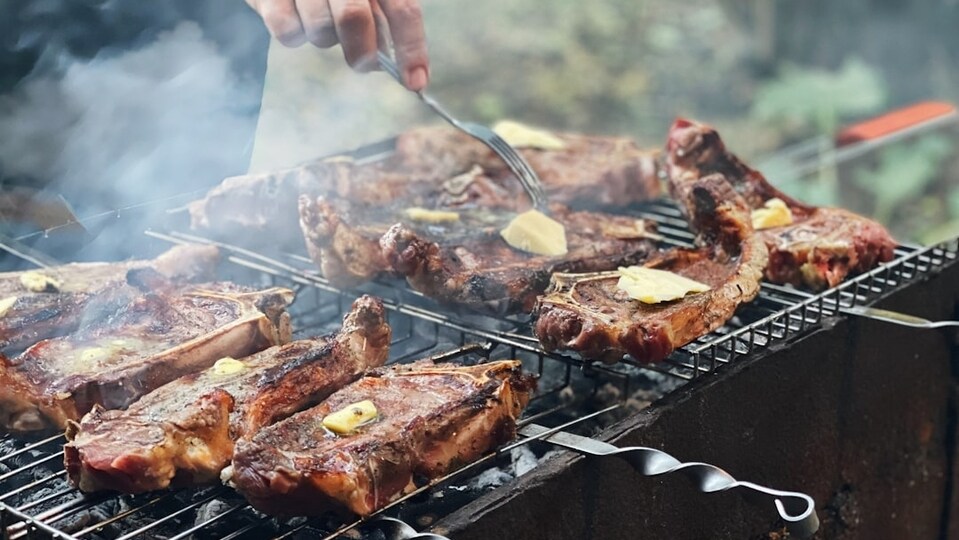
Cancer does not appear overnight, but is built over years of poor diet and lifestyle. Dr Vishwani shares 5 foods that increase the risk of colon cancer.
Colon cancer is increasingly being diagnosed in younger adults, making it clear that it is no longer just a disease associated with older age. Experts say that everyday habits – especially diet and lifestyle – can significantly influence the risk of developing the condition. While some foods may help protect gut health, others may increase inflammation, damage the colon lining and raise cancer risk over time.
Also Read | Florida gastroenterologist shares 8 early warning signs of colon cancer that should not be ignored
Dr Vartika Vishwani, a Gurugram-based consulting breast and gynaecologic onco-surgeon with over 14 years of experience, has shared five foods you should stop eating now to reduce your risk of developing colon cancer in the future. In an Instagram video shared on March 6, the oncologist explains “why each of these five foods increase the risk of colon cancer, in simple terms.”
Processed meat
According to Dr Vishwani, processed meat – including bacon, sausages and hot dogs – are classified by the World Health Organisation as Group 1 carcinogens that significantly increase the risk of colon cancer in humans. She points out that they contain compounds that damage the colon lining when eaten in large quantities.
She explains, “Beef, lamb, and pork contain compounds that can damage the lining of your colon when eaten in large amounts. Cooking at high temperatures (grilling, barbecuing) forms even more harmful chemicals. The WHO (World Health Organisation) calls these Group 1 carcinogens, meaning the risk of cancer from them is very high in humans.”
Red meat
The oncologist highlights that consuming high amounts of red meat – such as beef, lamb and pork – particularly when grilled or fried, has been shown to increase the risk of colon cancer. These meats are classified as Group 2 carcinogens by the International Agency for Research on Cancer.
She explains, “Sausages, hot dogs, bacon, and deli meats often have preservatives like nitrites. These can turn into cancer-causing compounds in your gut. A high intake, especially when grilled or fried, has been shown to lead to a high risk of colon cancer. The IARC (International Agency for Research on Cancer) classifies these as Group 2 carcinogens, meaning while the proof in humans is not as definitive, there is adequate proof in animals.”
Low fibre foods
Dr Vishwani explains that fibre is an integral part of the diet because it helps refined carbohydrates and junk foods move through the intestines, binding to harmful substances and reducing their exposure to the colon. She recommends consuming at least 25 to 30 grams of fibre daily.
The oncologist emphasises, “Refined bread, white rice, and junk foods move slowly through your intestines. Fibre helps keep things moving and binds harmful substances, reducing exposure to your colon. You must consume a high-fibre diet. The goal should be to consume 25 to 30 grams of fibre per day to reduce the incidence of colon cancer, as proven by studies.”
Alcohol
According to the oncologist, even moderate alcohol consumption can increase the risk of mutations in colon cells and potentially lead to colon cancer. It is classified as a Group 1 carcinogen by the World Health Organisation.
Dr Vishwani highlights, “Regular drinking irritates the gut lining and increases the risk of mutations in colon cells. Even moderate amounts can contribute over time. The WHO has classified alcohol as a Group 1 carcinogen, and you should stop consuming it today.”
Deep fried foods
Deep-fried foods such as French fries, chicken nuggets and fried snacks can form harmful compounds like acrylamides, advanced glycation end-products and trans fats, which may trigger inflammation and DNA damage – key drivers of cancer.
Dr Vishwani stresses, “Deep-fried items – for example, French fries and fried snacks – form harmful chemicals called acrylamides, advanced glycation end-products (AGEs) and trans fats. These lead to inflammation and DNA damage and increase cancer risk.”
The oncologist recommends prioritising whole foods – such as fruits, vegetables, legumes and lean proteins – that nourish the gut and help protect against cancer. She concludes, “Focus on fruits, vegetables, whole grains, legumes, and lean proteins. These feed your gut, improve digestion, and lower colon cancer risk.”
Note to readers: This article is for informational purposes only and not a substitute for professional medical advice. It is based on user-generated content from social media. HT.com has not independently verified the claims and does not endorse them.


Catch your daily dose of Fashion, Taylor Swift, Health, Festivals, Travel, Relationship, Recipe and all the other Latest Lifestyle News on Hindustan Times Website and APPs.


