
 E-Paper



Summer season and malaria: Doctor explains risk factors that can make you fall sick

 Prefer HTon Google


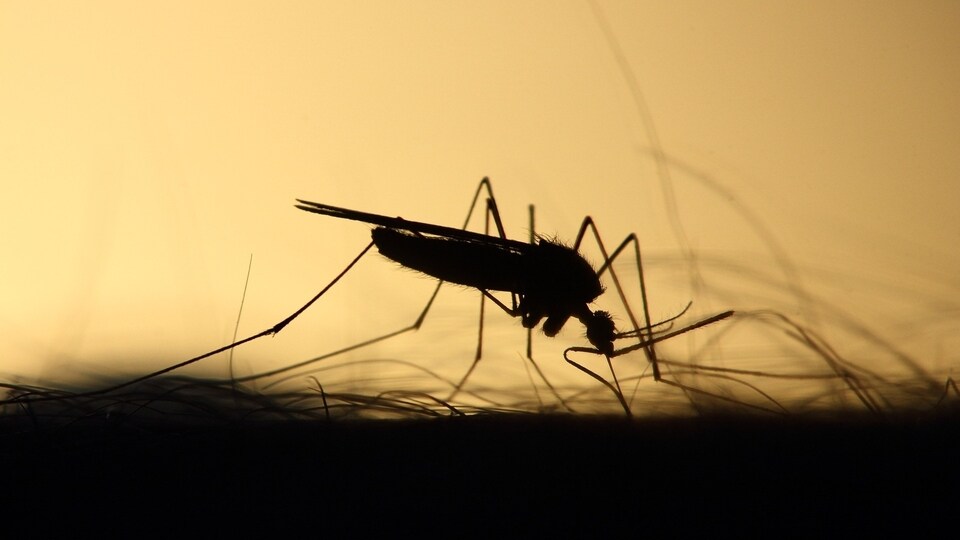
From stagnant water being breeding grounds for mosquitoes to poor sanitation, here are a few risk factors that can trigger spread of malaria.
The summer season and occasional rainfall can act as breeding grounds for several diseases, including the mosquito-borne illnesses such as malaria and dengue. In an interview with HT Lifestyle, Dr. Tushar Tayal, consultant, internal medicine, CK Birla Hospital, Gurugram said, “The season brings climatic and environmental conditions that favor the spread of Anopheles mosquitoes, the primary vectors of the disease. Several factors contribute to the heightened risk of malaria during this time.” Also read | The dangers of getting malaria during pregnancy: Doctor shares preventive measures to follow
Stagnant water:
Summer rains and poor drainage systems in both urban and rural areas often lead to water collection in puddles, discarded containers, and open drains, creating ideal mosquito breeding grounds.
Poor sanitation and hygiene:
Poor sanitation and hygiene also play a critical role. In many low-income communities, improper waste management and open sewage attract mosquito populations, increasing the likelihood of malaria transmission.
Summer heat:
High temperatures during summer accelerate the life cycle of mosquitoes and the development of the malaria parasite within them. This means that mosquitoes become infectious more quickly and in greater numbers, leading to a rise in cases. Also read | World Malaria Day 2024: Avoid these factors that increase malaria risk

Outdoor activities in summer:
Outdoor activities and short clothing in the hot weather increase human exposure to mosquito bites. Most mosquito activity occurs during early mornings and evenings, coinciding with common times for outdoor movement.
Not taking precautionary measures:
The limited use of preventive measures such as mosquito nets, repellents, and indoor spraying is another factor, particularly in economically disadvantaged areas where awareness and access may be lacking.
Delayed diagnosis and treatment:
Inadequate health infrastructure in some regions delays diagnosis and treatment, allowing the disease to spread unchecked. It is essential to know the early warning signs and take necessary precautions to stay safe. Also read | World Malaria Day 2024: 10 warning signs of the vector-borne disease you must know
“To combat malaria effectively during the summer, it is essential to implement comprehensive strategies focusing on prevention, public awareness, and improved access to healthcare services,” Dr Tushar Tayal added.
Note to readers: This article is for informational purposes only and not a substitute for professional medical advice. Always seek the advice of your doctor with any questions about a medical condition.


Catch your daily dose of Fashion, Taylor Swift, Health, Festivals, Travel, Relationship, Recipe and all the other Latest Lifestyle News on Hindustan Times Website and APPs.


